 Preview
 Send
Send Share
Share
 Details

 Download
 Similars
 X-Ray
X-Ray Diaporama
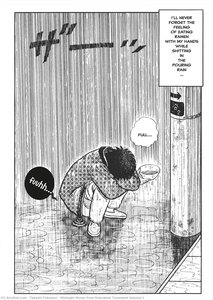
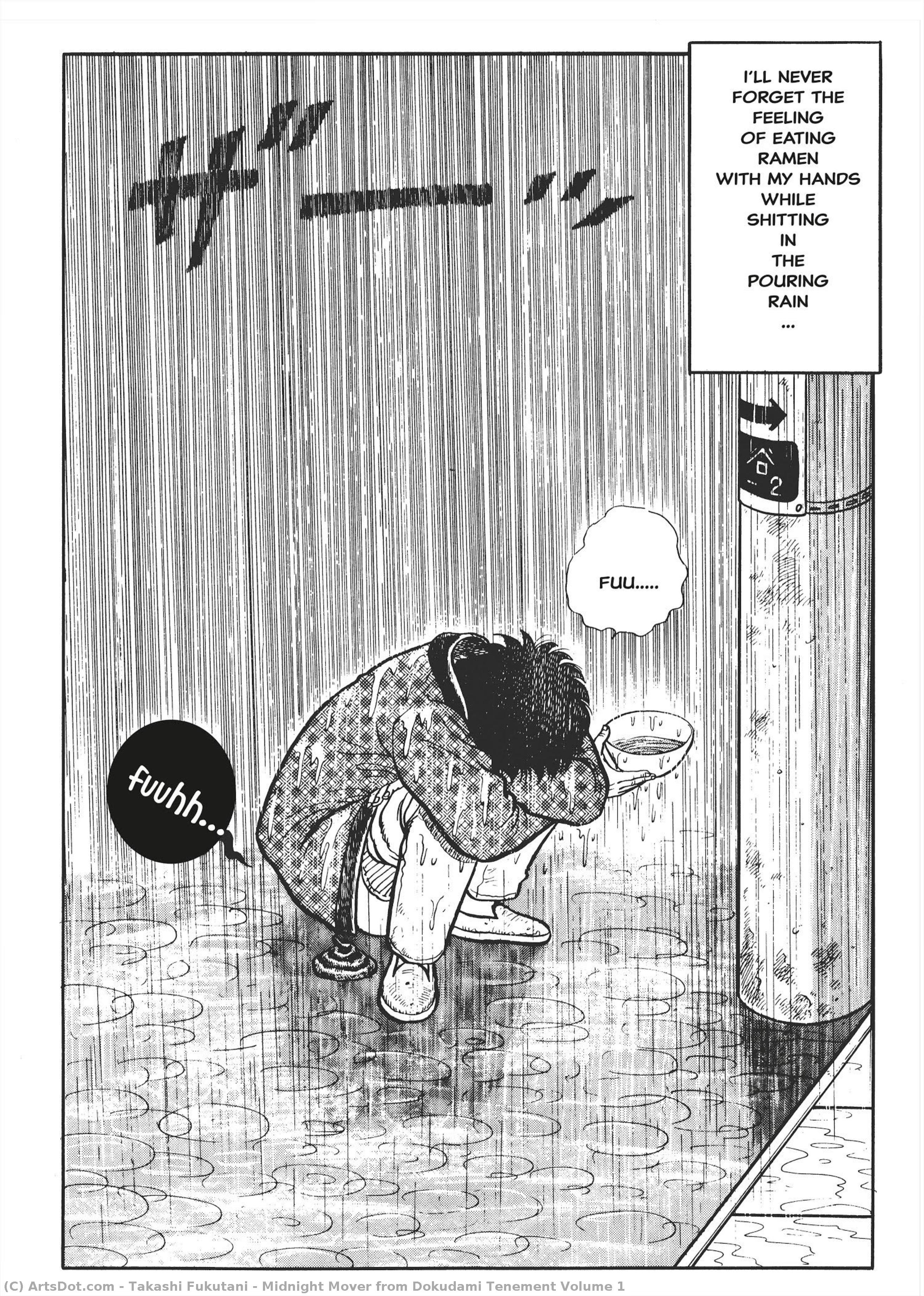
Midnight Mover from Dokudami Tenement Volume 1
 Read More
Hand Made Oil Reproduction
Hand-painted oil on canvas in your size and frame, made to order by our artists. ( Buy Print Buy Image)




































Pick from our preset sizes that match the artwork's original proportions.

You may enter your own dimensions to fit a specific frame or space. If your selected size does not match the original image's proportions, we will either crop the artwork or extend the painting with additional hand-painted elements. A digital mockup will be sent for your approval before production begins.
Please note that the on-screen preview does not reflect the actual cropping or extension. Only the mockup will accurately show the final composition.
While custom sizes are available, we recommend selecting a dimension from the predefined list to preserve the original proportions.
After order, ArtsDot.com team will email client for instructions and provide a mockup preview
Worldwide Delivery () in 3/4 weeks instead of standard 5 weeks. (7 September). No compromise on quality.

Free Worldwide Express Shipping

High-Quality Linen Canvas

Full Shipping Insurance

Customs Tax Refund Guarantee

True Color Matching Guarantee

100-Day Return Policy (Defects Only)

100% Money-Back Guarantee

Bulk Discount Offer
 Glass option is only available in size under 110 CM

Midnight Mover from Dokudami Tenement Volume 1
Reproduction Medium
Reproduction Size
-


Total Price
$ 263
Related Artworks








Artist Biography
A Life Etched in Tokyo’s Margins: The Story of Takashi Fukutani
Takashi Fukutani, born in 1952 in Okayama, Japan, was an artist whose work didn't shy away from the shadows—it embraced them. His life, marked by early hardship and a turbulent youth, became inextricably woven into the fabric of his most celebrated creation: *Dokudami Tenement*. Fukutani’s upbringing was far from idyllic; raised primarily by a strict military veteran following his parents’ divorce, he experienced a childhood devoid of warmth and stability. By sixteen, brushes with the law—stemming from drug use and petty crime—landed him on juvenile probation. This early exposure to the underbelly of Japanese society would prove formative, shaping not only his worldview but also the raw, unflinching honesty that characterized his art. The search for his birth mother at eighteen led him to Tokyo, a sprawling metropolis that would become both his muse and his battleground. A series of menial jobs followed, each experience adding another layer of grit to his understanding of life’s struggles.From Disappointment to Revelation: The Genesis of *Dokudami Tenement*
Fukutani's initial foray into the art world was a humbling one. An attempt to become an assistant to Yukichi Yamamatsu ended in swift dismissal after just one day, due to his persistent drunkenness. However, this rejection wasn’t a setback but rather a catalyst. Inspired by his own experiences and fueled by a potent mix of frustration and self-discovery, Fukutani began crafting manga that reflected the realities he knew so well. In 1978, he received an honorable mention in a contest hosted by *Dakkusu Manga Magazine* for “Tokyo Adieu,” a story hinting at the themes that would soon dominate his work. The true breakthrough came in 1979 with the serialization of *Dokudami Tenement* (originally titled *Dokushin Apato Dokudami-so*) in *Weekly Manga Times*. This semi-autobiographical series offered an unprecedented glimpse into the lives of Tokyo’s marginalized youth—the unemployed, the addicted, and those existing on the fringes of a rapidly changing society. It wasn't merely a depiction of hardship; it was a visceral portrayal of survival, resilience, and the search for connection in a world that often seemed indifferent.A Mirror to Post-War Japan: Themes and Style
*Dokudami Tenement* resonated deeply with readers because it dared to show a side of Japan rarely seen in mainstream media. Fukutani’s work eschewed romanticism or idealization, instead presenting a brutally honest account of poverty, alcoholism, and the social alienation that plagued many during Japan's economic boom. His characters weren’t heroes or villains; they were flawed individuals grappling with complex issues, making questionable choices, and simply trying to navigate life as best they could. The series became known for its dark humor, uncompromising realism, and unflinching depiction of everyday struggles. Fukutani’s artistic style was equally distinctive—rough-hewn lines, expressive character designs, and a masterful use of shadow created a sense of immediacy and authenticity. He didn't shy away from depicting the ugliness of life, but within that darkness, he also found moments of tenderness, camaraderie, and unexpected beauty.Legacy and International Recognition
The popularity of *Dokudami Tenement* spanned fourteen years, evolving beyond the pages of manga to include a live-action movie in 1988, three original video animation volumes in 1989, and two direct-to-video movies in 1995. Fukutani himself became something of a cult figure, known for his hard-drinking persona and often shocking public appearances. However, the weight of portraying such bleak realities took its toll. Throughout the 1990s, he battled alcoholism, facing repeated hospitalizations. He died in 2000 at the age of 48, leaving behind a body of work that would only gain wider recognition after his passing. It wasn’t until French and English translations of *Dokudami Tenement* were published that Fukutani's impact extended beyond Japan. His series was lauded for its social commentary, psychological depth, and groundbreaking realism. In 2010, the first volume of *Dokudami Tenement*, published as *Le Vagabond de Tokyo*, received an official selection at the Angoulême International Comics Festival, cementing his status as a significant figure in postmodern manga.A Lasting Impact: The Enduring Relevance of Fukutani’s Vision
- Social Realism: Fukutani's work is considered a cornerstone of social realism in Japanese manga, offering a stark contrast to more fantastical or escapist genres.
- Influence on Subsequent Artists: His unflinching portrayal of marginalized communities paved the way for other artists to explore similar themes with greater freedom and honesty.
- Cultural Commentary: *Dokudami Tenement* provides a valuable insight into the social and economic conditions of post-war Japan, challenging conventional narratives about national prosperity.
- International Acclaim: The belated recognition of Fukutani’s work outside of Japan demonstrates its universal appeal and enduring relevance in addressing themes of alienation, poverty, and the search for meaning.

takashi fukutani
1952 - 2000 , Japan
Quick Facts
- Artistic Movement Or Style: Social Realism Manga
- Date Of Birth: February 4, 1952
- Date Of Death: September 9, 2000
- Full Name: Takashi Fukutani
- Nationality: Japanese
- Notable Artworks: ['Dokudami Tenement']
- Place Of Birth: Okayama, Japan