 Preview
 Send
Send Share
Share
 Details

 Download
 Similars
 X-Ray
X-Ray Diaporama
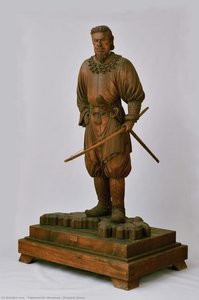
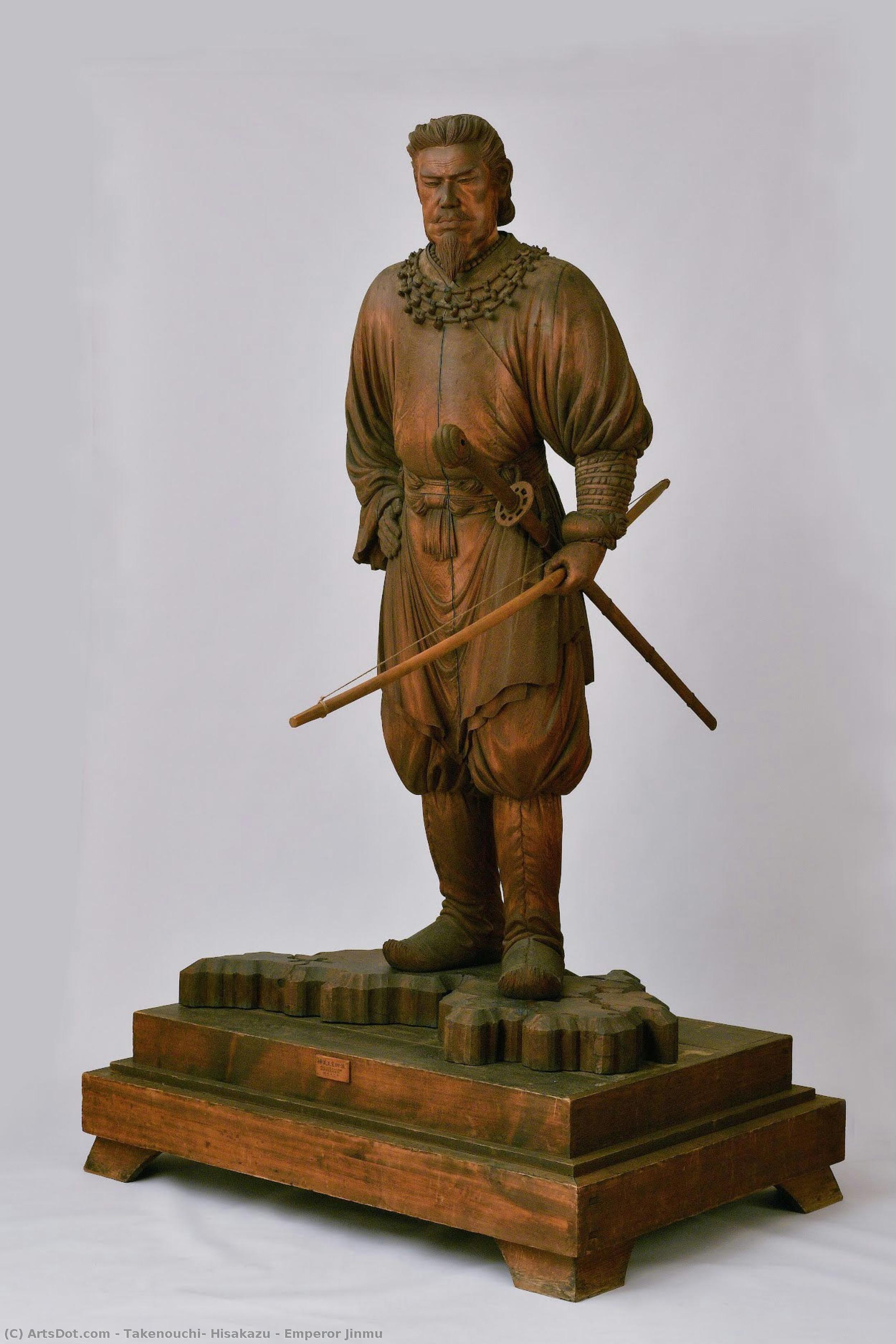
Emperor Jinmu

 Read More
Hand Made Oil Reproduction
Hand-painted oil on canvas in your size and frame, made to order by our artists. ( Buy Print Buy Image)




































Pick from our preset sizes that match the artwork's original proportions.

You may enter your own dimensions to fit a specific frame or space. If your selected size does not match the original image's proportions, we will either crop the artwork or extend the painting with additional hand-painted elements. A digital mockup will be sent for your approval before production begins.
Please note that the on-screen preview does not reflect the actual cropping or extension. Only the mockup will accurately show the final composition.
While custom sizes are available, we recommend selecting a dimension from the predefined list to preserve the original proportions.
After order, ArtsDot.com team will email client for instructions and provide a mockup preview
Worldwide Delivery () in 3/4 weeks instead of standard 5 weeks. (24 August). No compromise on quality.

Free Worldwide Express Shipping

High-Quality Linen Canvas

Full Shipping Insurance

Customs Tax Refund Guarantee

True Color Matching Guarantee

60-Day Return Policy (Defects Only)

100% Money-Back Guarantee

Bulk Discount Offer
 Glass option is only available in size under 110 CM

Emperor Jinmu
Reproduction Medium
Reproduction Size
-


Total Price
$ 263
Artwork Description
Related Artworks





Artist Biography
A Bridge Between Worlds: The Life and Art of Hisakazu Takenouchi
Born in 1857 in the heart of Edo, later known as Tokyo, Hisakazu Takenouchi emerged during a period of profound transformation in Japan. As the nation rapidly modernized following centuries of self-imposed isolation, artists found themselves at a crossroads—torn between preserving cherished traditions and embracing Western influences. Takenouchi’s life became a compelling embodiment of this tension, his artistic journey charting a course that sought to harmonize these seemingly disparate forces. Initially trained in the delicate art of ivory carving, a skill highly prized during the late Edo period, he quickly demonstrated an aptitude for detail and form. However, it was his encounter with Ernest Fenollosa and Okakura Kakuzō—pioneering figures who championed both Japanese artistic heritage and Western aesthetic principles—that fundamentally altered his trajectory.The Embrace of Sculpture and the Influence of Okakura
Fenollosa and Okakura’s vision resonated deeply with Takenouchi, leading him to abandon ivory carving in favor of sculpture. This was not merely a change in medium; it represented a philosophical shift. They encouraged him to study wood carving in Nara, a city steeped in Buddhist tradition and home to some of Japan's most revered sculptural masterpieces. Okakura Kakuzō, in particular, exerted a powerful influence on Takenouchi’s artistic development. Okakura believed that true art transcended national boundaries, rooted instead in universal principles of beauty and spirituality. He urged his students to integrate Western techniques—particularly anatomical realism—with the essence of Japanese aesthetics, creating a uniquely “Japanese” modern style. Takenouchi wholeheartedly embraced this challenge, attempting to fuse the precision of Western modeling with the inherent grace and spiritual depth of traditional Japanese sculpture. This ambition was not without its difficulties; it required navigating a complex landscape of artistic conventions and societal expectations.Early Recognition and the ‘Risō’ Ideal
Takenouchi's dedication began to garner recognition in 1890, when his work was exhibited at the third Naikoku Kangyo Hakurankai (Domestic Industrial Exposition). This marked a significant milestone in his career, bringing his sculptures to a wider audience and establishing him as a rising star within the Japanese art world. Around this time, Takenouchi became deeply involved with the concept of *risō*—an ideal that sought to create “visionary” sculptures embodying spiritual aspirations and national identity. His 1893 work, *Gigeiten* (The Divinity of the Arts), exemplifies this approach. The sculpture wasn’t simply a representation of a deity; it was intended as a statement about the future direction of Japanese art—a synthesis of Western technique and traditional *nihonga* painting aesthetics. This period also saw him appointed as the first professor of sculpture at the Tokyo Fine Arts School (now the Department of Fine Art, Tokyo University), solidifying his position as a leading figure in shaping the next generation of Japanese sculptors.Legacy and Historical Significance
Takenouchi’s career was cut short by his death in 1916, but his impact on Japanese sculpture remains profound. While his vision for a fully integrated “Japanese” modern style didn't entirely materialize, his efforts laid the groundwork for subsequent artistic movements. His sculptures, such as *Emperor Jinmu*, demonstrate a remarkable ability to blend realism with traditional forms, reflecting the complex socio-political climate of Meiji Japan—a nation grappling with its identity in the face of Westernization. The *Emperor Jinmu* sculpture, commissioned during a period when the imperial history was being reinterpreted to fit modern ideologies, stands as a powerful symbol of this era. Takenouchi’s work is now held in esteemed collections like the University Art Museum at Tokyo University of the Arts, ensuring that his legacy continues to inspire and captivate audiences today. He represents not just an artist, but a pivotal moment in Japanese art history—a bridge between worlds, striving for harmony amidst change, and leaving behind a body of work that speaks volumes about the enduring power of artistic vision. His sculptures continue to be studied as examples of innovative technique and thoughtful engagement with cultural identity.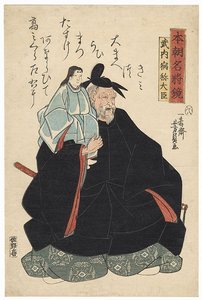
takenouchi, hisakazu
1857 - 1916 , Japan
Quick Facts
- Artistic Movement Or Style: Sculpture, Traditional/Western blend
- Artists Who Influenced This Artist: ['Okakura Kakuzō']
- Date Of Birth: 1857
- Date Of Death: 1916
- Full Name: Hisakazu Takenouchi
- Nationality: Japanese
- Notable Artworks:
- Emperor Jinmu
- Gigeiten
- Place Of Birth: Tokyo, Japan