

 Preview
 Send
Send Share
Share
 Details

 Download
 Similars
 X-Ray
X-Ray Diaporama
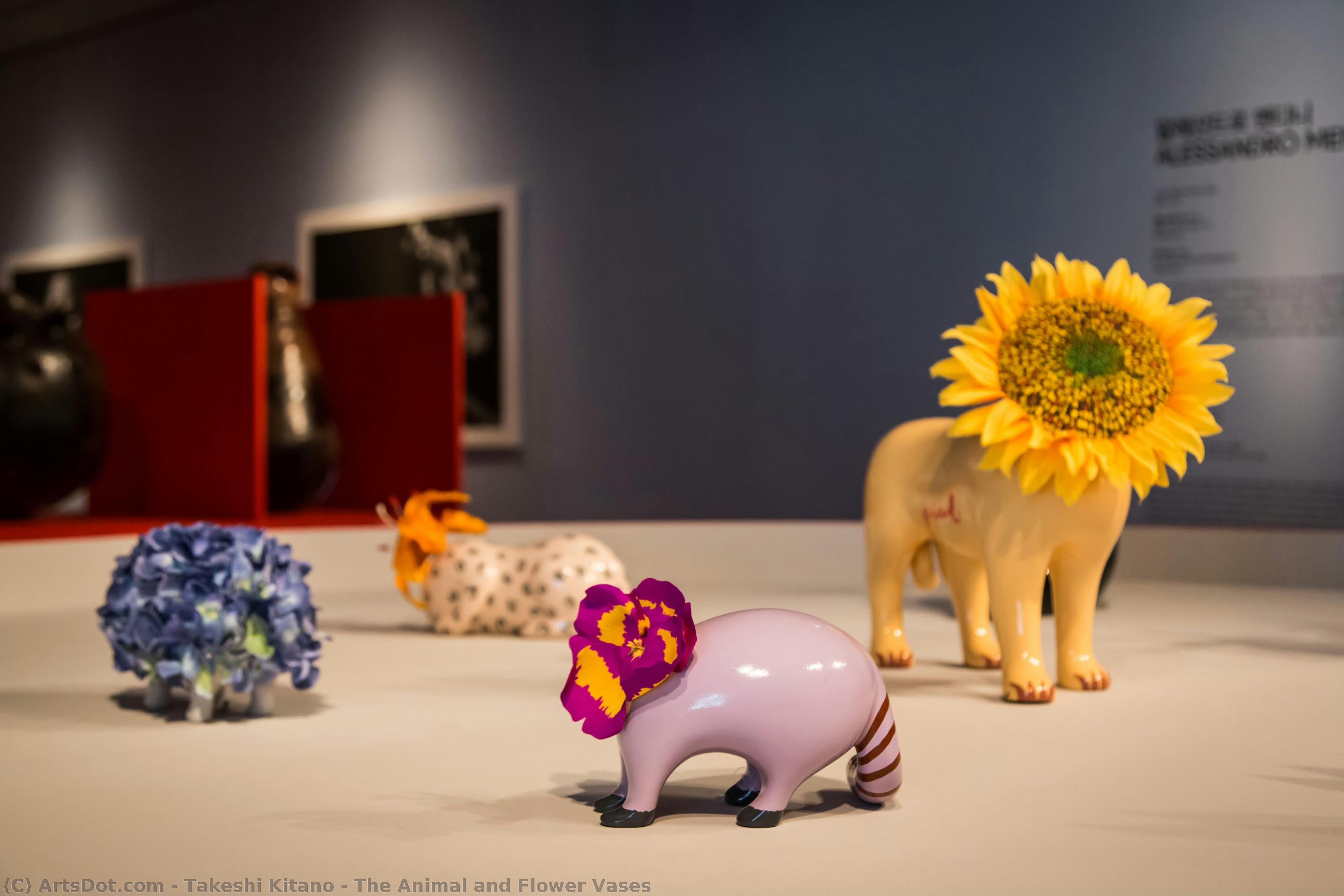
The Animal and Flower Vases


 Read More
Purchase a high-resolution, enhanced digital image, far superior to the online preview.
Each file is meticulously prepared by our in-house specialists using advanced tools and expert manual retouching. We ensure every image has exceptional clarity, precise color accuracy, and fine detail.
The final file is delivered via email within 72 hours, optimized for immediate use in professional, editorial, and print environments. This is the same quality trusted by top-tier design studios, publishers, and galleries.
Digital Image
Download a high-resolution file for personal display, printing, and creative projects. ( Buy Print Buy Hand Made Painting)
Included in Every Digital Image Order
Expert Digital Delivery, Guaranteed
When you choose ArtsDot.com, you're not just getting an image - you're receiving a professionally enhanced digital artwork, crafted with precision and backed by a satisfaction guarantee. Here's everything that comes with your order, automatically:

Fast Email Delivery
Your high-resolution digital image file will be emailed to you within 72 hours of ordering - ready for immediate use.

AI-Enhanced Digital File
Your artwork is professionally optimized using advanced AI tools and manual editing, ensuring maximum detail, clarity, and color accuracy.

Free Lifetime Re-Delivery
Accidentally deleted or lost your file? No worries - we'll resend it to you anytime, free of charge.

No Import Fees - Ever
Enjoy your artwork instantly with zero customs, duties, or delivery fees - digital downloads are always tax-free.

Color Accuracy Guarantee
We ensure your digital image reflects the original colors as closely as possible using professional tools and color management.

60-Day Satisfaction Guarantee
If you're not satisfied with your digital image, we'll revise it or refund 100% within 60 days - no questions asked.

100% Money-Back Guarantee
Not satisfied? Get a full refund within 60 days of receiving your digital file - no questions asked.

Bulk Order Discounts
Buy 3 images, save 10% - Buy 5, save 15% - Buy 10+, save 20%. Great for creative projects, galleries, and agencies.
Collectible Description
The Animal and Flower Vases: A Quiet Symphony of Detail by Takeshi Kitano
Takeshi Kitano’s “The Animal and Flower Vases” isn't just a painting; it’s an invitation to a delightfully peculiar world, a miniature stage populated by penguins, cups, and a subtle echo of Jan Brueghel the Elder’s masterful landscapes. Created in 2010, this work exemplifies Kitano’s signature blend of dark humor, meticulous detail, and a playful subversion of traditional artistic conventions.
At first glance, the scene is deceptively simple: two penguins stand amidst a serene blue backdrop, flanking an assortment of delicate porcelain cups. However, closer inspection unveils a carefully orchestrated tableau. The larger penguin, tilted upwards as if observing something beyond the frame, exudes a curious alertness, while its smaller companion appears absorbed in a private ritual – perhaps drinking from one of the cups. This seemingly mundane interaction is elevated by Kitano’s signature attention to detail; each cup possesses a unique shape and texture, contributing to the overall sense of abundance and playful arrangement.
The painting's genesis lies in a fascinating dialogue with Jan Brueghel the Elder, a pivotal figure in Flemish Baroque art. Like Brueghel, Kitano masterfully employs landscape not merely as a backdrop but as an integral component of the narrative. The blue expanse isn’t simply color; it evokes a sense of vastness and tranquilliity—a deliberate contrast to the intimate scale of the penguin figurines.
Kitano's artistic technique is characterized by a minimalist approach, prioritizing clarity and precision. He employs a muted palette dominated by blues and whites, creating an atmosphere of understated elegance. The meticulous rendering of each element – from the penguins’ feathers to the cups’ glaze – speaks to Kitano’s unwavering commitment to craftsmanship and his ability to convey profound emotion through subtle visual cues.
Beyond its aesthetic qualities, “The Animal and Flower Vases” carries a symbolic resonance that aligns with broader artistic traditions. The penguins represent contemplation and observation, while the cups symbolize hospitality and refinement. Together, they suggest a harmonious coexistence between stillness and activity—a theme that resonates deeply within Kitano’s oeuvre.
This artwork is particularly well-suited for interior designers seeking to infuse their spaces with a touch of whimsical sophistication. Its calming color palette and carefully considered composition create an inviting ambiance, encouraging viewers to pause and appreciate the beauty of understated artistry. A high-quality reproduction would undoubtedly serve as a captivating focal point in any thoughtfully curated home.
Related Artworks

Artist Biography
Takeshi Kitano: A Life in Comedy, Film, and Beyond
Takeshi Kitano, also known as Beat Takeshi, is a multifaceted Japanese artist whose career spans comedy, acting, filmmaking, and television hosting. Born on January 18, 1947, in Tokyo, Japan, Kitano has become an internationally recognized figure celebrated for his unique artistic vision and darkly humorous style.
Early Life and Comedy Beginnings
Kitano’s journey began during his studies at Meiji University, where he first ventured into the world of entertainment as a comedian at the strip theater France-za in Asakusa, Tokyo. In 1973, he formed the comedy duo Two Beat with Kiyoshi Kaneko (later known as Beat Kiyoshi), adopting the stage name Beat Takeshi. Riding the wave of Japan’s comedy boom, Kitano quickly gained popularity for his satirical and often provocative black humor.
Television Success
The 1980s marked a period of explosive television success for Kitano. He starred in shows like Oretachi Hyōkin-zoku, which achieved an impressive viewership rating of 29.1%, and the wildly popular game show Takeshi’s Castle, reaching 24.7%. These programs cemented his status as a household name in Japan.
Transition to Acting and Film
Kitano's acting career took off with a role in director Nagisa Ōshima’s critically acclaimed film Merry Christmas, Mr. Lawrence (1983). This experience sparked his interest in filmmaking, leading him to make his directorial debut in 1989 with Violent Cop, taking over from Kinji Fukasaku.
Directorial Achievements and International Recognition
Kitano’s directorial work quickly established him as a distinctive voice in cinema. He is known for exploring themes of violence, loyalty, and the human condition, often within the context of yakuza culture or police procedural dramas. His films are characterized by minimalist aesthetics, deadpan humor, and unconventional narrative structures.
- Hana-bi (1998): This film earned Kitano the prestigious Golden Lion at the Venice Film Festival, making him only the third Japanese director to receive this honor after Akira Kurosawa and Hiroshi Inagaki.
- Outrage Trilogy: Consisting of Outrage, Outrage Beyond, and Outrage Coda, this series further solidified Kitano’s reputation for gritty, stylish crime dramas.
- Battle Royale (2000): Though directed by Kinji Fukasaku, Kitano played a significant role in the screenplay and direction of this cult classic.
Influences and Artistic Style
Kitano’s work has been influenced by filmmakers such as Akira Kurosawa and Kinji Fukasaku. He is often described as a successor to Kurosawa, inheriting his mastery of visual storytelling and exploration of complex moral themes. His distinctive style incorporates long takes, minimal dialogue, and a deliberate pacing that allows tension to build gradually.
Historical Significance and Legacy
Takeshi Kitano has left an indelible mark on Japanese cinema and gained international acclaim for his unique artistic vision. He is celebrated for blending dark humor with profound emotional depth, creating films that are both entertaining and thought-provoking. His influence can be seen in the work of contemporary filmmakers around the world, solidifying his place as a truly iconic figure in modern cinema.

takeshi kitano
1947 - , Japan
Quick Facts
- Birth Date: January 18, 1947
- Birth Place: Tokyo, Japan
- Influenced: None, 'influenced by': 'Kinji Fukasaku, Nagisa Ōshima, Akira Kurosawa', 'movement': 'Japanese Cinema', 'name': 'Takeshi Kitano', 'nationality': 'Japanese', 'notable works': ['Merry Christmas, Mr. Lawrence', 'Violent Cop', 'Hana-bi', 'Battle Royale', 'Outrage Trilogy',

