


 Preview
 Send
Send Share
Share
 Details

 Download
 Similars
 X-Ray
X-Ray Diaporama
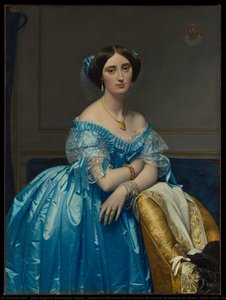
Portrait of Françoise Sagan


 Read More
Purchase a high-resolution, enhanced digital image, far superior to the online preview.
Each file is meticulously prepared by our in-house specialists using advanced tools and expert manual retouching. We ensure every image has exceptional clarity, precise color accuracy, and fine detail.
The final file is delivered via email within 72 hours, optimized for immediate use in professional, editorial, and print environments. This is the same quality trusted by top-tier design studios, publishers, and galleries.
Digital Image
Download a high-resolution file for personal display, printing, and creative projects. ( Buy Print Buy Hand Made Painting)
Included in Every Digital Image Order
Expert Digital Delivery, Guaranteed
When you choose ArtsDot.com, you're not just getting an image - you're receiving a professionally enhanced digital artwork, crafted with precision and backed by a satisfaction guarantee. Here's everything that comes with your order, automatically:

Fast Email Delivery
Your high-resolution digital image file will be emailed to you within 72 hours of ordering - ready for immediate use.

AI-Enhanced Digital File
Your artwork is professionally optimized using advanced AI tools and manual editing, ensuring maximum detail, clarity, and color accuracy.

Free Lifetime Re-Delivery
Accidentally deleted or lost your file? No worries - we'll resend it to you anytime, free of charge.

No Import Fees - Ever
Enjoy your artwork instantly with zero customs, duties, or delivery fees - digital downloads are always tax-free.

Color Accuracy Guarantee
We ensure your digital image reflects the original colors as closely as possible using professional tools and color management.

60-Day Satisfaction Guarantee
If you're not satisfied with your digital image, we'll revise it or refund 100% within 60 days - no questions asked.

100% Money-Back Guarantee
Not satisfied? Get a full refund within 60 days of receiving your digital file - no questions asked.

Bulk Order Discounts
Buy 3 images, save 10% - Buy 5, save 15% - Buy 10+, save 20%. Great for creative projects, galleries, and agencies.
Collectible Description
A Portrait of Introspection: Tamara de Lempicka’s Françoise Sagan
The painting of Françoise Sagan, rendered by Tamara de Lempicka, is more than just a likeness; it's an embodiment of the enigmatic spirit that defined a generation. This striking portrait captures a moment of profound contemplation, drawing the viewer into the subject’s world with a masterful blend of stylistic innovation and emotional depth. The image immediately evokes the dynamism and sophistication of the Art Deco era, a period where elegance and modernity converged to create a visual language utterly unique to its time. De Lempicka's work, born from her aristocratic upbringing and nurtured in the vibrant artistic landscape of 1920s Paris, reveals a profound understanding of form, color, and the expressive potential of paint – qualities that elevate this piece beyond simple representation.Decoding the Style: Expressionism and Art Deco Fusion
De Lempicka’s style is immediately recognizable as a potent fusion of Expressionist sensibilities with the sleek geometry of Art Deco. While rooted in a desire to convey emotion through distorted forms – a hallmark of Expressionism – she tempered this approach with the clean lines, stylized figures, and luxurious color palettes characteristic of the Art Deco movement. The portrait’s close-up composition, focusing intently on Sagan's face and upper torso, intensifies the emotional impact, mirroring the intimacy often sought in portraits of this period. Notice how the simplification of features – the abstracted hair, the subtly defined eyes, and the carefully rendered mouth – contributes to a sense of timelessness while simultaneously imbuing the subject with an air of quiet intensity. The deliberate flattening of perspective further emphasizes the immediate visual experience, inviting the viewer into a private moment.The Language of Color and Texture: Impasto and Symbolic Resonance
The painting’s color palette – dominated by rich browns, deep reds, and muted greens – contributes significantly to its somber yet captivating mood. These colors were not merely decorative; they held symbolic weight, reflecting the era's fascination with both glamour and melancholy. The thick impasto technique, evident in the visible brushstrokes and textured surface, adds a tactile quality to the work, inviting close inspection and further enhancing the sense of depth. The strategic use of highlights – particularly on the cheekbones and forehead – creates a dramatic interplay of light and shadow, emphasizing key features and adding to the portrait’s overall intensity. Even seemingly minor details, such as the bold red lipstick, can be interpreted symbolically: perhaps representing Sagan's boldness or defiance, or simply reflecting the fashionable allure of the time.A Window into a Lost World: Tamara de Lempicka’s Legacy
Tamara de Lempicka’s portrait of Françoise Sagan is a testament to her artistic vision and her ability to capture the essence of a particular moment in history. Her work, often characterized by its strong female figures and confident aesthetic, continues to resonate with collectors and art lovers today. This reproduction offers an exceptional opportunity to own a piece of Art Deco brilliance – a timeless portrait that speaks volumes about beauty, intellect, and the enduring power of artistic expression. It’s a captivating addition to any collection, offering both visual pleasure and a glimpse into the fascinating life and work of one of the 20th century's most distinctive artists.Related Artworks









Artist Biography
A Polish Aristocrat of Art Deco
Tamara de Lempicka, born Maria Teresa Górska in 1898 Warsaw, was a figure as captivating and complex as the portraits she immortalized. Her life story reads like a novel—a whirlwind of aristocratic upbringing, revolutionary upheaval, artistic awakening, and enduring glamour. Born into a wealthy Polish-Jewish family, her early years were steeped in European culture, marked by travels to spas and exposure to a sophisticated social milieu. This privileged background instilled within her an appreciation for beauty and elegance that would profoundly shape her aesthetic vision. However, the idyllic world of her youth was shattered by the Russian Revolution. Fleeing political turmoil with her husband, Tadeusz Łempicki, she embarked on a new chapter in Paris, a city poised to become the epicenter of artistic innovation. It was here, amidst the burgeoning Art Deco movement, that Tamara truly found her voice.
Forging a Unique Aesthetic
Lempicka’s artistic journey wasn't born from formal academic training but rather from passionate self-discovery and mentorship. She studied briefly with Maurice Denis and André Lhote, absorbing their techniques while simultaneously forging her own distinctive style. The influence of Jean-Dominique Ingres is palpable in her neoclassical precision and emphasis on form, yet she deftly integrated the fragmented perspectives and geometric abstraction of Cubism—a daring fusion that defined her signature aesthetic. Her paintings are characterized by polished surfaces, sleek lines, and a deliberate stylization of figures, all hallmarks of Art Deco’s embrace of modernity and luxury. She didn't merely paint portraits; she constructed icons. Her subjects – often members of the aristocracy or wealthy elite – were depicted with an air of cool sophistication, embodying the liberated spirit of the Jazz Age. Self-Portrait in the Green Bugatti, perhaps her most iconic work, exemplifies this perfectly—a striking image of self-assured independence and automotive speed, capturing a moment of modern life with unparalleled elegance.
Triumph and Recognition
The 1925 Exposition Internationale des Arts Décoratifs et Industriels Modernes in Paris proved to be a pivotal moment for Lempicka. Her participation helped propel Art Deco into the mainstream, solidifying her reputation as a leading artist of the era. This success was further cemented in 1927 when she won first prize at the Bordeaux Exposition for Kizette on the Balcony, a portrait that perfectly encapsulates her signature style—a blend of classical composure and modern sensuality. Throughout the late 1920s and 1930s, Lempicka became highly sought after by wealthy patrons eager to commission portraits that would immortalize their status and allure. Works like Portrait of Marjorie Ferry demonstrate her ability to capture not just a likeness but also the inner essence of her subjects—their ambition, confidence, and refined taste. Beyond portraiture, she explored mythological themes, as seen in Adam and Eve, showcasing her versatility and intellectual curiosity.
Legacy and Rediscovery
The outbreak of World War II forced Lempicka to relocate to the United States in 1939, where she continued to paint but found herself somewhat out of step with the evolving artistic landscape. Her style, so closely associated with the glamour of pre-war Europe, felt less relevant in a world grappling with conflict and uncertainty. However, her work experienced a remarkable resurgence in popularity during the Art Deco revival of the 1960s and 70s. A new generation discovered her paintings, captivated by their timeless elegance and bold aesthetic vision. Tamara de Lempicka died in Mexico City in 1980, choosing to have her ashes scattered over the Popocatépetl volcano—a final act of defiance and independence befitting a woman who lived life on her own terms. Today, she is celebrated as one of the most important figures in Art Deco art, an artist whose paintings continue to inspire awe and admiration for their beauty, sophistication, and embodiment of a bygone era. Her legacy extends beyond aesthetics; she remains an iconic figure representing female empowerment and artistic innovation within a historically male-dominated field.
Notable Works
- Self-Portrait in the Green Bugatti: A defining image of Art Deco, showcasing independence and modernity.
- Portrait of Marjorie Ferry: An exquisite example of her portraiture skills, capturing elegance and enigma.
- Adam and Eve: Demonstrating her exploration of mythological themes with a distinctive style.
- The Two Friends: Reflecting her early Cubist influences and experimentation.
- Printemps: A vibrant depiction of spring, showcasing her mastery of color and form.
- Spring: Another beautiful example of Lempicka's ability to capture the essence of a season with grace and style.

Tamara de Lempicka
1898 - 1980 , Poland
Quick Facts
- Artistic Movement Or Style: Art Deco, Cubism
- Artists Or Movements Influenced By This Artist: ['Art Deco movement']
- Artists Who Influenced This Artist: ['Jean-Dominique Ingres']
- Date Of Birth: May 16, 1898
- Date Of Death: March 18, 1980
- Full Name: Tamara de Lempicka
- Nationality: Polish
- Notable Artworks:
- Self-Portrait in the Green Bugatti
- Portrait of Marjorie Ferry
- Adam and Eve
- The Two Friends
- Printemps
- Spring
- Place Of Birth: Warsaw, Poland

