 Preview
 Send
Send Share
Share
 Details

 Download
 Similars
 X-Ray
X-Ray Diaporama
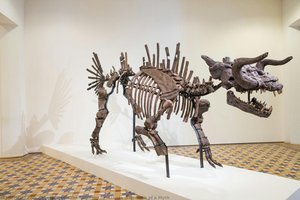
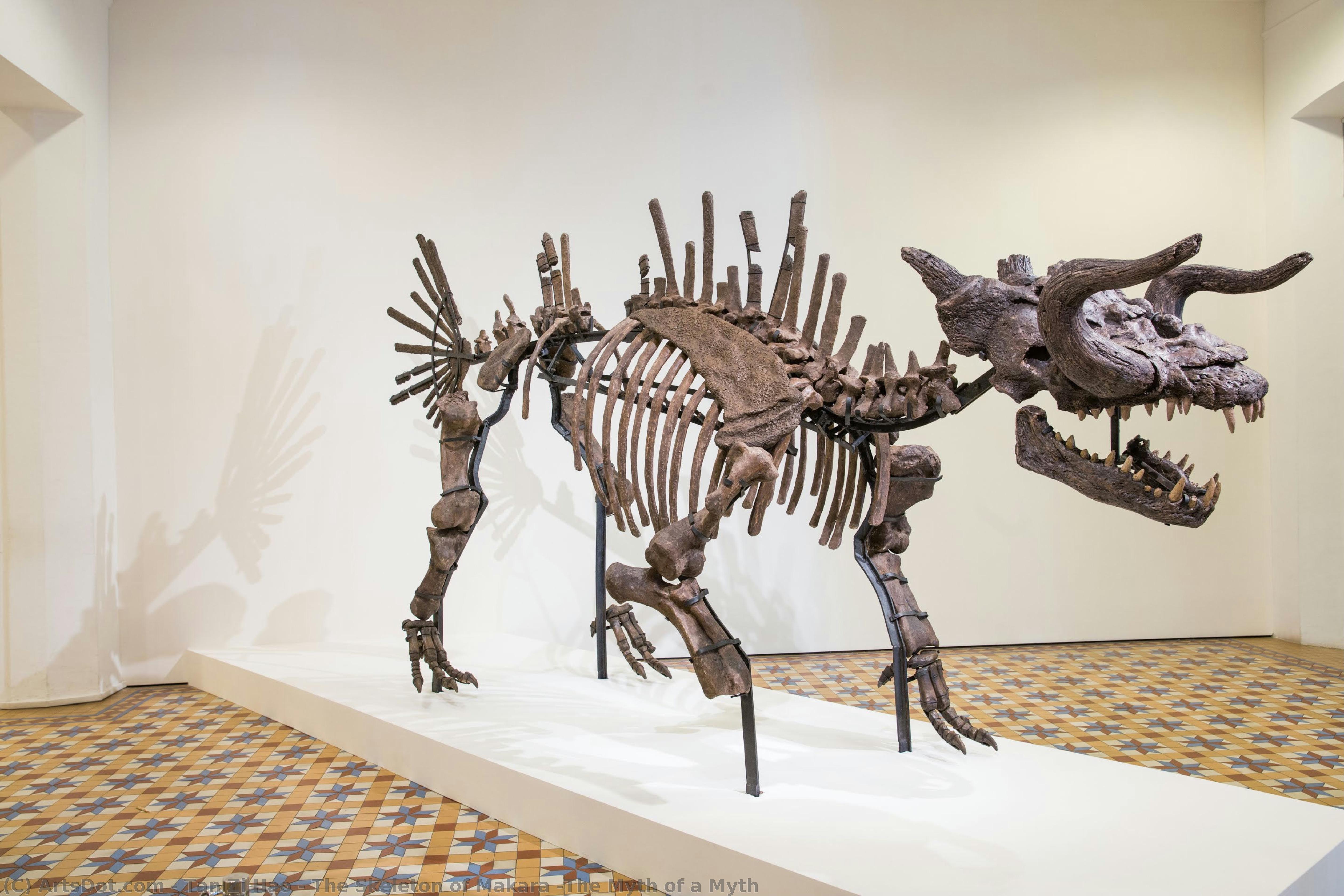
The Skeleton of Makara (The Myth of a Myth

 Read More
Giclée / Art Print
Museum-quality giclée or canvas print with fast production and flexible finish options. ( Buy Hand Made Painting Buy Image)




































Pick from our preset sizes that match the artwork's original proportions.

You may enter your own dimensions to fit a specific frame or space. If your selected size does not match the original image's proportions, we will either crop the artwork or extend the image with a mirrored or solid-fill edge. A digital mockup will be sent for your approval before production begins.
Please note that the on-screen preview does not reflect the actual cropping or extension. Only the mockup will accurately show the final composition.
While custom sizes are available, we recommend selecting a dimension from the predefined list to preserve the original proportions.
Worldwide Delivery () in 2 weeks instead of standard 4/5 weeks. (2 September)

Free Worldwide Express Shipping

High-Quality Linen Canvas

Full Shipping Insurance

Customs Tax Refund Guarantee

True Color Matching Guarantee

60-Day Return Policy (Defects Only)

100% Money-Back Guarantee

Bulk Discount Offer
 Glass option is only available in size under 110 CM

The Skeleton of Makara (The Myth of a Myth
Giclée / Art Print
Reproduction Size
-


Total Price
$ 63
Related Artworks









Artist Biography
The Architecture of Memory: The Multidisciplinary Vision of Tan Zi Hao
In the vibrant, often fragmented landscape of contemporary Southeast Asian art, few voices resonate with as much intellectual rigor and tactile sensitivity as Tan Zi Hao. Born in Kuala Lumpur in 1989, Tan has emerged not merely as an artist, but as a researcher, writer, and provocateur who navigates the delicate intersections of postcolonial identity, soil ecology, and the politics of language. His practice is a profound meditation on how history is constructed, erased, and rewritten. By employing the technique of assemblage—the deliberate gathering of disparate materials, archival fragments, and organic elements—he creates works that function as living palimpsests, where layers of cultural memory are both revealed and contested.
Tan’s artistic evolution is deeply rooted in a unique academic synthesis. His journey began with the visual precision of graphic design at The One Academy, a foundation that lends a meticulous, almost surgical clarity to his compositions. However, it was his subsequent immersion in International Relations at the University of Nottingham Malaysia and his doctoral research in Southeast Asian Studies at the National University of Singapore that provided the conceptual marrow for his work. This scholarly background allows him to approach the canvas or the installation space with the eye of a historian, interrogating how power dynamics are embedded within the very structures of our shared narratives.
Materiality and the Language of the Earth
To encounter a work by Tan Zi Hao is to engage with the physical weight of history. His practice often centers on installation and performance art, where the choice of medium is never incidental. He frequently turns to soil ecology as a central motif, utilizing geological formations and earth-based materials to symbolize resilience and the slow, transformative power of environmental forces. In his hands, soil becomes more than mere matter; it is a metaphor for the enduring impact of colonialism and the way landscapes bear the scars of human intervention.
This fascination with the organic is often juxtaposed against the rigid structures of linguistics. Tan explores how language shapes our perception of reality, using textual interventions to expose the biases inherent in translation and nomenclature. His works frequently feature:
- Linguistic Distortions: The use of transliterations, slangs, and scripts—such as Jawi or Cantonese—to explore the fluidity and friction of identity in a translingual culture.
- Organic Assemblages: The integration of found objects, including biological elements like shells from the Xenophoridae family, to challenge notions of essentialism.
- Archival Interventions: The repurposing of historical documents to disrupt conventional, often Eurocentric, understandings of Southeast Asian history.
A Legacy of Revisionist Practice
The significance of Tan Zi Hao’s work lies in its refusal to accept the status quo. Through a "revisionist practice," he seeks to dismantle dominant narratives that have historically marginalized the complexities of Southeast Asian experiences. His recent exhibitions, such as The Tongue Has No Bones at A+ Works of Art, demonstrate his ability to use metaphor—the tongue as a muscular hydrostat capable of warping without bone—to discuss the malleability of truth and the power of speech in political discourse.
His international recognition, including participation in prestigious platforms like the Asian Art Biennale at the National Taiwan Museum of Fine Arts, underscores his role as a vital contributor to the global contemporary art dialogue. As he continues to weave together the threads of design, research, and fine art, Tan Zi Hao remains a pivotal figure, reminding us that the most profound truths are often found in the fragments we have left behind, buried in the soil or lost in translation.
Tan Zi Hao
1989 - , Malaysia
Quick Facts
- Artistic Movement Or Style: Assemblage & Revisionist Practice
- Date Of Birth: 1989
- Full Name: Tan Zi Hao
- Nationality: Malaysian
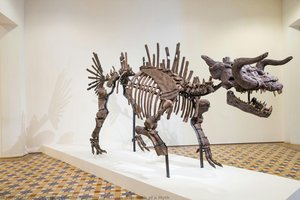
- Notable Artworks: ['The Skeleton of Makara']
- Place Of Birth: Kuala Lumpur, Malaysia