

 Preview
 Send
Send Share
Share
 Details

 Download
 Similars
 X-Ray
X-Ray Diaporama
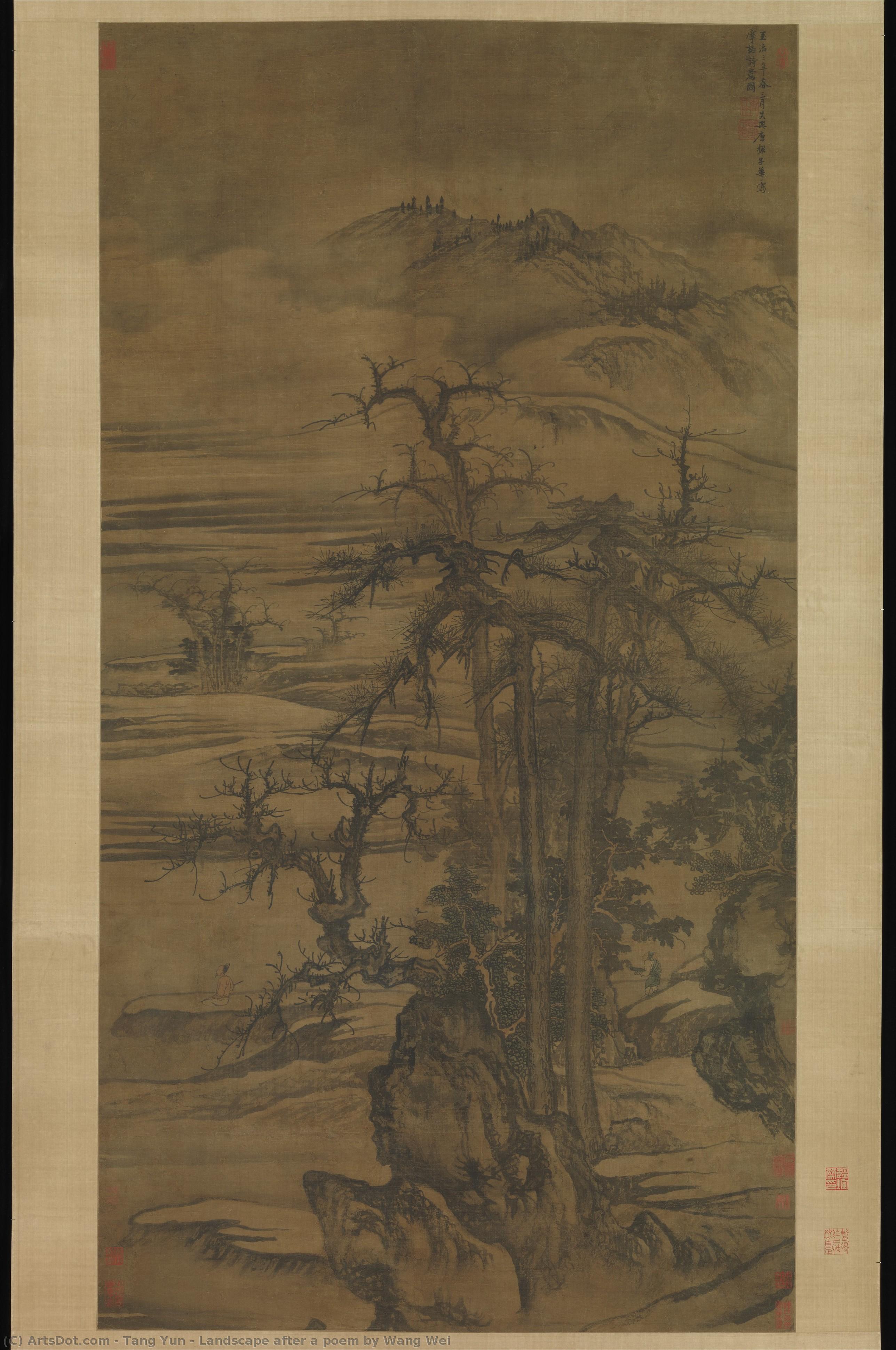
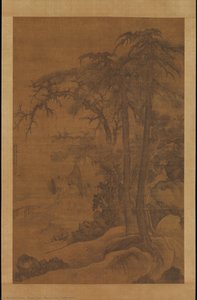
Landscape after a poem by Wang Wei
 1323
1323 129.0 x 69.0 cm
 Read More
Purchase a high-resolution, enhanced digital image, far superior to the online preview.
Each file is meticulously prepared by our in-house specialists using advanced tools and expert manual retouching. We ensure every image has exceptional clarity, precise color accuracy, and fine detail.
The final file is delivered via email within 72 hours, optimized for immediate use in professional, editorial, and print environments. This is the same quality trusted by top-tier design studios, publishers, and galleries.
Digital Image
Download a high-resolution file for personal display, printing, and creative projects. ( Buy Print Buy Hand Made Painting)
Included in Every Digital Image Order
Expert Digital Delivery, Guaranteed
When you choose ArtsDot.com, you're not just getting an image - you're receiving a professionally enhanced digital artwork, crafted with precision and backed by a satisfaction guarantee. Here's everything that comes with your order, automatically:

Fast Email Delivery
Your high-resolution digital image file will be emailed to you within 72 hours of ordering - ready for immediate use.

AI-Enhanced Digital File
Your artwork is professionally optimized using advanced AI tools and manual editing, ensuring maximum detail, clarity, and color accuracy.

Free Lifetime Re-Delivery
Accidentally deleted or lost your file? No worries - we'll resend it to you anytime, free of charge.

No Import Fees - Ever
Enjoy your artwork instantly with zero customs, duties, or delivery fees - digital downloads are always tax-free.

Color Accuracy Guarantee
We ensure your digital image reflects the original colors as closely as possible using professional tools and color management.

60-Day Satisfaction Guarantee
If you're not satisfied with your digital image, we'll revise it or refund 100% within 60 days - no questions asked.

100% Money-Back Guarantee
Not satisfied? Get a full refund within 60 days of receiving your digital file - no questions asked.

Bulk Order Discounts
Buy 3 images, save 10% - Buy 5, save 15% - Buy 10+, save 20%. Great for creative projects, galleries, and agencies.
Collectible Description
Related Artworks

Artist Biography
Tang Yun (1910 – 1993): A Legacy of Landscape and Symbol
Tang Yun, born in Hangzhou, Zhejiang Province in 1910, was a pivotal figure in twentieth-century Chinese painting. From his early apprenticeship with traditional artists to his distinguished career as Vice Chairman of the Shanghai Branch of the China Artists Association and Honorary President of the Shanghai Chinese Painting Academy, Tang Yun’s artistic journey reflected the evolving cultural landscape of modern China. His profound understanding of classical aesthetics combined with a masterful command of ink wash technique cemented his place among China's most celebrated painters.- Early Life & Artistic Beginnings: Tang Yun’s fascination with drawing and painting began in childhood, nurtured by exposure to the artistic traditions of Hangzhou. He honed his skills through intensive study under renowned masters, establishing a foundation for his future creative endeavors.
- Academic Career & Shanghai Influence: Following graduation from Peking University in 1934, Tang Yun joined the Shanghai Xinhua Art Training School and subsequently lectured at the Shanghai Fine Art Training School, shaping generations of aspiring artists. His role as Vice Chairman of the Shanghai Branch of the China Artists Association underscored his commitment to fostering artistic excellence within Shanghai’s vibrant cultural scene.
- The Pursuit of Landscape Painting: Tang Yun's artistic focus centered on landscape painting—a genre deeply rooted in Chinese philosophical and aesthetic ideals. He drew inspiration from poets like Wang Wei, whose verses explored the sublime beauty of nature and conveyed profound spiritual insights. His paintings captured serene vistas and meticulously rendered details, embodying a harmonious blend of observation and imagination.
- Notable Works & Artistic Style: Tang Yun’s oeuvre encompasses numerous acclaimed pieces—including “Returning Fishermen” and “Duke Wen of Jin Recovering His State”—each demonstrating his exceptional brushwork and masterful execution. His distinctive style characterized by subtle tonal variations and expressive compositional arrangements distinguished him from contemporaries, securing his reputation as a visionary artist.
- Legacy & Recognition: Tang Yun’s contributions to Chinese art were recognized throughout his lifetime—receiving numerous awards and accolades for his artistic achievements. Furthermore, he established the K. S. Lo Teaware Museum in Hong Kong, showcasing his passion for collecting Yixing teapots and promoting cultural heritage. His enduring influence continues to inspire artists today, ensuring that Tang Yun’s legacy persists as a cornerstone of Chinese art history.
Influences & Artistic Philosophy
Tang Yun's artistic vision was profoundly shaped by Confucianism and Daoism—philosophical traditions that emphasized harmony with nature and the pursuit of moral virtue. These beliefs permeated his creative process, informing his selection of subjects and guiding his stylistic choices. He sought to capture not merely visual representations of landscapes but also their underlying spiritual essence—reflecting a deep appreciation for the interconnectedness between humanity and the natural world.- Wang Wei’s Poetry: Tang Yun consistently cited Wang Wei's poetry as a primary source of inspiration, recognizing its ability to evoke profound emotions and convey transcendent beauty.
- Classical Aesthetics: He adhered rigorously to classical aesthetic principles—emphasizing balance, simplicity, and restraint—resulting in paintings that possessed an understated elegance and timeless appeal.
- Daoist Harmony: Tang Yun’s artistic philosophy embraced Daoist ideals of harmony and spontaneity—believing that true beauty resided in embracing the natural rhythms of existence without imposing artificial constraints.
Major Achievements & Artistic Recognition
Throughout his illustrious career, Tang Yun garnered widespread acclaim for his artistic prowess—receiving numerous awards and honors from prestigious institutions across China. His paintings were exhibited internationally, establishing him as a globally recognized figure in contemporary art. Furthermore, he served as Honorary President of the Shanghai Chinese Painting Academy, nurturing talent and promoting artistic excellence within Shanghai’s cultural community.- Shanghai Branch of China Artists Association: Tang Yun's leadership role at the Shanghai Branch solidified his position as a prominent voice in advocating for artistic freedom and fostering dialogue between art and society.
- K. S. Lo Teaware Museum: His establishment of the K. S. Lo Teaware Museum underscored his dedication to preserving cultural heritage and sharing his passion for Yixing teapots with audiences worldwide.
Historical Significance & Artistic Legacy
Tang Yun’s artistic legacy extends far beyond his individual achievements—representing a pivotal moment in China's artistic revival following the Second Sino-Japanese War. His paintings embody the spirit of resilience and renewal—affirming the enduring power of classical aesthetics to inspire creativity and convey profound spiritual insights. Tang Yun’s influence continues to resonate within Chinese art history—serving as an exemplar of artistic integrity and unwavering devotion to his craft.- Post-War Artistic Renaissance: Tang Yun's work contributed significantly to the resurgence of landscape painting in China during the postwar era, reinvigorating artistic traditions and shaping aesthetic sensibilities.
Quick Facts
- Artistic Movement Or Style: Traditional Chinese Painting
- Artists Who Influenced This Artist:
- Wang Wei
- Lin Ximing
- Date Of Birth: 1910
- Date Of Death: 1993
- Full Name: Tang Yun
- Nationality: Chinese
- Notable Artworks:
- Landscape after a poem by Wang Wei
- Duke Wen of Jin Recovering His State
- Returning Fishermen
- Place Of Birth: Hangzhou, Zhejiang Province

