 Preview
 Send
Send Share
Share
 Details

 Download
 Similars
 X-Ray
X-Ray Diaporama
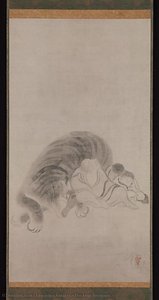
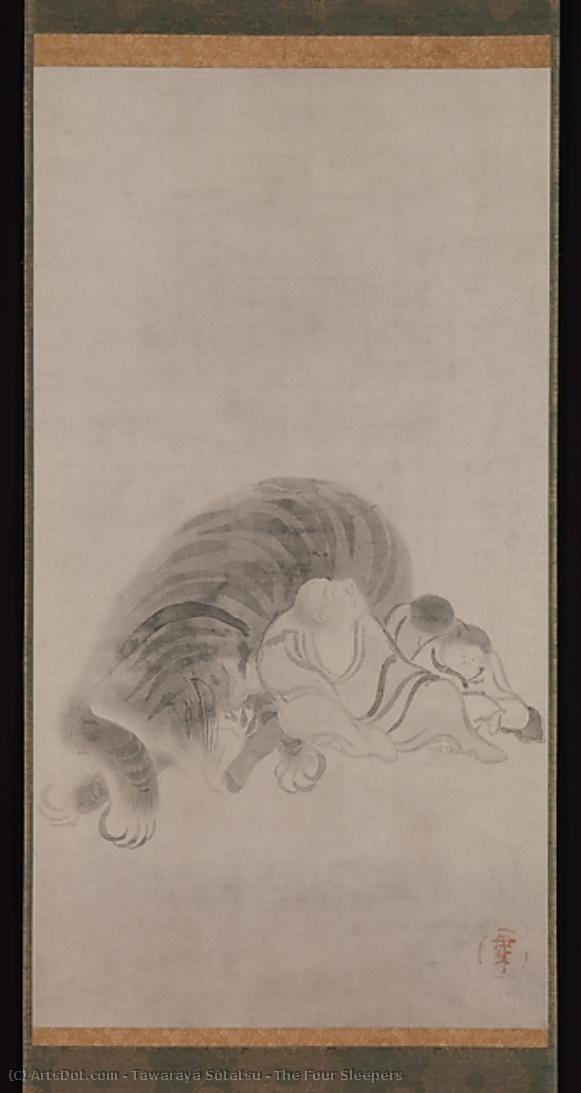
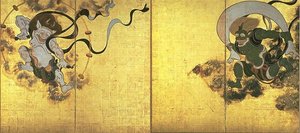
The Four Sleepers
 601
601 96.0cm x 52.0cm
 Read More
Hand Made Oil Reproduction
Hand-painted oil on canvas in your size and frame, made to order by our artists. ( Buy Print Buy Image)




































Pick from our preset sizes that match the artwork's original proportions.

You may enter your own dimensions to fit a specific frame or space. If your selected size does not match the original image's proportions, we will either crop the artwork or extend the painting with additional hand-painted elements. A digital mockup will be sent for your approval before production begins.
Please note that the on-screen preview does not reflect the actual cropping or extension. Only the mockup will accurately show the final composition.
While custom sizes are available, we recommend selecting a dimension from the predefined list to preserve the original proportions.
After order, ArtsDot.com team will email client for instructions and provide a mockup preview
Worldwide Delivery () in 3/4 weeks instead of standard 5 weeks. (22 August). No compromise on quality.

Free Worldwide Express Shipping

High-Quality Linen Canvas

Full Shipping Insurance

Customs Tax Refund Guarantee

True Color Matching Guarantee

60-Day Return Policy (Defects Only)

100% Money-Back Guarantee

Bulk Discount Offer
 Glass option is only available in size under 110 CM

The Four Sleepers
Reproduction Medium
Reproduction Size
-


Total Price
$ 263
Artwork Description
Related Artworks









Artist Biography
The Genesis of a Visual Revolution
In the transformative era of the early Edo period, as Japan emerged from the shadows of civil war into a time of unprecedented cultural flourishing, the artistic landscape was forever altered by the hand of Tawaraya Sōtatsu. Though the precise details of his early life remain shrouded in the mists of history, scholars trace his origins to around 1570 in Nantou, Japan. Born into a family of skilled craftsmen specializing in the intricate art of lacquerware, Sōtatsu possessed an innate understanding of material, texture, and the interplay of light and surface. This foundational connection to craftsmanship would later become the bedrock of his painterly genius, allowing him to approach the canvas not merely as a storyteller, but as a designer of profound aesthetic impact. His early exposure to the meticulous demands of lacquerwork instilled in him a reverence for bold, decorative elements that would eventually define the Rinpa school.A Symbiosis of Spirit and Form
The trajectory of Sōtatsu’s career was irrevocably changed through his legendary collaboration with the visionary Hon'ami Kōetsu. This partnership was far more than a mere professional alliance; it was a creative crucible where calligraphy, design, and painting merged into a singular, revolutionary language. Together, they pioneered an aesthetic that moved away from the rigid traditions of the past toward something much more dynamic and ornamental. Sōlarity and movement became hallmarks of their work, as Sōtatsu applied his masterful designs to Kōetsu’s calligraphic masterpieces. This era saw the birth of a style characterized by lavish use of gold leaf, vibrant pigments, and a rhythmic composition that felt both ancient and startlingly modern. Through this synergy, the duo helped establish the Rinpa movement, an artistic lineage that would influence Japanese visual culture for centuries to come.Technique as Transcendence
Beyond his collaborative triumphs, Sōtatsu’s individual technical innovations set him apart as a true master of illusion. He is perhaps most celebrated for the development of the tarashikomi technique—a method in which a second layer of wet pigment is dropped into a still-damp first layer. This process creates unpredictable, bleeding edges and ethereal textures that mimic the organic spontaneity of nature, such as the frothing crest of a wave or the delicate veins of a leaf. This mastery of fluid motion is nowhere more evident than in his iconic Wind God and Thunder God folding screens, which stand as National Treasures of Japan. In these works, the divine forces of nature are captured with a breathtaking balance of stylized power and atmospheric grace.An Enduring Legacy
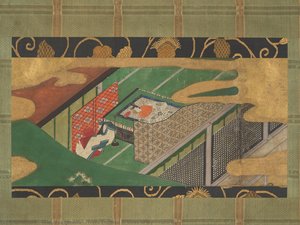
The impact of Tawaraya Sōtatsu extends far beyond the borders of the Edo period. His ability to weave narrative depth with decorative splendor is seen in his evocative paintings from The Tale of Genji, where he transformed literary elegance into visual poetry. Whether through the rhythmic energy of his coastal landscapes or the intricate patterns of his furniture designs, Sōtatsu’s work continues to resonate with a sense of timelessness. His legacy remains etched in the very fabric of Japanese art, reminding us that true mastery lies in the ability to find the infinite within the beautifully designed.- Key Contributions:
- Co-founding the Rinpa school of painting.
- Pioneering the tarashikomi technique for organic textures.
- Revolutionizing the use of gold leaf and bold, decorative compositions in byōbu screens.
Tawaraya Sōtatsu
Japan
Quick Facts
- Artistic Movement Or Style: Rinpa school
- Artists Or Movements Influenced By This Artist:
- Ogata Kōrin
- Ogata Kenzan
- Sakai Hōitsu
- Artists Who Influenced This Artist: ["Hon'ami Kōetsu"]
- Date Of Birth: c. 1570
- Date Of Death: c. 1640
- Full Name: Tawaraya Sōtatsu
- Nationality: Japanese
- Notable Artworks:
- Wind God and Thunder God
- Sekiya chapters from The Tale of Genji
- Place Of Birth: Nantou, Japan