 Preview
 Send
Send Share
Share
 Details

 Download
 Similars
 X-Ray
X-Ray Diaporama
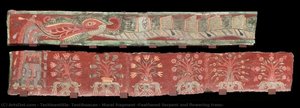
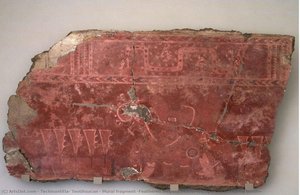
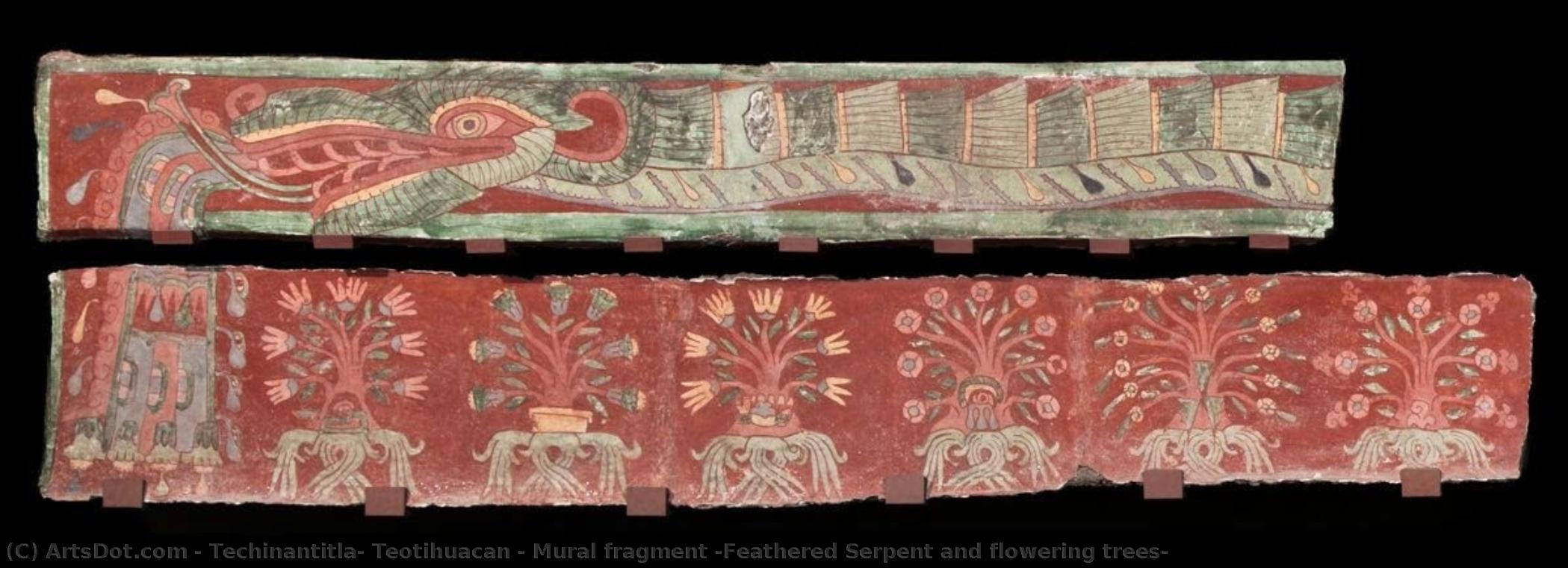
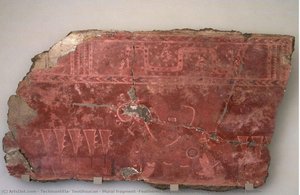
Mural fragment (Feathered Serpent and flowering trees)
 Mesoamerican Art
 500
500 59.0cm x 405.0cm
 de Young Museum
 Read More
Hand Made Oil Reproduction
Hand-painted oil on canvas in your size and frame, made to order by our artists. ( Buy Print Buy Image)




































Pick from our preset sizes that match the artwork's original proportions.

You may enter your own dimensions to fit a specific frame or space. If your selected size does not match the original image's proportions, we will either crop the artwork or extend the painting with additional hand-painted elements. A digital mockup will be sent for your approval before production begins.
Please note that the on-screen preview does not reflect the actual cropping or extension. Only the mockup will accurately show the final composition.
While custom sizes are available, we recommend selecting a dimension from the predefined list to preserve the original proportions.
After order, ArtsDot.com team will email client for instructions and provide a mockup preview
Worldwide Delivery () in 3/4 weeks instead of standard 5 weeks. (23 August). No compromise on quality.

Free Worldwide Express Shipping

High-Quality Linen Canvas

Full Shipping Insurance

Customs Tax Refund Guarantee

True Color Matching Guarantee

60-Day Return Policy (Defects Only)

100% Money-Back Guarantee

Bulk Discount Offer
 Glass option is only available in size under 110 CM

Mural fragment (Feathered Serpent and flowering trees)
Reproduction Medium
Reproduction Size
-


Total Price
$ 263
Related Artworks
![[feathered Serpent And Human Figure Relief, Temple Of The Warriors, Chichen Itza] — Octavio Medellín, Documentary Photography](/media/artworks/images-thumb/92/58/92587b847ea0fecdbbde0aa8e3425bbc.jpg)
Artist Biography
Techinantitla, Teotihuacan: Decoding the Legacy of a Lost Mural Compound
The ancient city of Teotihuacan—meaning “God Made”—stands as one of Mesoamerica’s most impressive urban centers. Located in Mexico State, just northeast of modern Mexico City, it flourished between 150 and 550 AD, boasting monumental pyramids, intricate plazas, and a sophisticated social structure. Among its many wonders is Techinantitla, a sprawling compound that housed a remarkable collection of murals—fragments of which now reside in museums worldwide.
The discovery of these murals in 1976 marked the beginning of an extraordinary saga involving Harald J. Wagner, a San Francisco-based architect and art collector who spearheaded the effort to repatriate them to Mexico. Wagner’s involvement highlighted the complexities surrounding pre-Columbian art looting and collecting during the mid-20th century—a period characterized by clandestine dealings and a lack of transparency.
Researchers painstakingly pieced together the history of these fragments, utilizing archival documents, dealer recollections, and scholarly investigations. The resulting narrative revealed a network of dealers who actively pursued Teotihuacan murals, demonstrating an eagerness to acquire rare artifacts from Mesoamerica’s past. Wagner's role was pivotal in this endeavor, but he wasn’t alone; the collective effort involved multiple individuals committed to preserving cultural heritage.
Recent scholarship has illuminated new facets of Techinantitla’s artistic tradition—particularly its vibrant mural painting style. The murals exemplify a masterful blend of geometric abstraction and symbolic representation, utilizing bold lines and vivid pigments to convey profound ideas about cosmology and ritual practice. Notably, the imagery prominently features the feathered serpent—a deity revered throughout Mesoamerica during the Classic Period—representing both divine power and cyclical renewal.
The compound’s layout was meticulously planned on a grid, reflecting Teotihuacan’s advanced urban planning capabilities. Residents enjoyed access to luxurious materials like jade beads and feathers—symbols of prestige and spiritual significance—underscoring the city's elite status. The murals from Techinantitla serve as invaluable sources of information about Teotihuacan’s artistic heritage, offering insights into its visual culture and religious beliefs.
Furthermore, the repatriation effort initiated by Wagner and his colleagues underscored the importance of collaborative research between institutions—particularly Mexico's Instituto Nacional de Antropología e Historia and American museums. This partnership ensured that the murals were returned to their rightful home, fostering a deeper understanding of Teotihuacan’s cultural legacy.
Matthew Robb’s extensive expertise in Mesoamerican art—spanning curatorial roles at prestigious museums like UCLA, San Francisco’s Fine Arts Museums, and Saint Louis Art Museum—has solidified his position as a leading voice on this captivating artistic episode. His publications and exhibitions have captivated audiences worldwide, furthering the dissemination of knowledge about Teotihuacan’s artistic achievements.
techinantitla, teotihuacan
Mexico
Quick Facts
- Artistic Movement Or Style: Mural Art
- Artists Or Movements Influenced By This Artist: ['Cubist art']
- Artists Who Influenced This Artist: ['Ernst Ludwig Kirchner']
- Full Name: Techinantitla
- Nationality: Mexican
- Notable Artworks: ['Feathered Serpent and Flowering Trees']
- Place Of Birth: Mexico
Related Articles

Elevating Interiors: How Murals are Redefining Kitchens and Bathrooms
Transform your kitchen & bathroom with stunning murals! Explore design trends, durable materials & expert advice. Elevate your interiors with 's bespoke mural solutions.

From Jungle Scenes to Gold Leaf Geometry: A Guide to Today's Most Requested Mural Styles
Explore today's top mural styles for hotels & commercial spaces! Discover trends, expert insights, & custom design solutions. Elevate your space with .
Anchoring Interior Design with Murals: A Comprehensive Guide for Hotel Designers
Elevate your hotel's design with impactful murals! Our expert guide explores anchoring interior spaces, thematic storytelling & durable solutions for luxury hospitality. Discover bespoke art options & elevate the guest experience.
Revolution on Canvas: Exploring the Socio-Political Power & Artistic Legacy of Mexican Muralism
Explore the powerful world of Mexican muralism! Discover Diego Rivera, Frida Kahlo & Orozco's revolutionary art, social impact & lasting legacy. Expert insights & high-quality reproductions at ArtsDot.
Transforming Spaces: How Custom Murals Forge Brand Identity & Enhance Customer Experience
Elevate your brand & spaces with custom murals. Explore expert insights on design, artists, materials & installation. Transform environments – discover 's bespoke solutions.