 Preview
 Send
Send Share
Share
 Details

 Download
 Similars
 X-Ray
X-Ray Diaporama
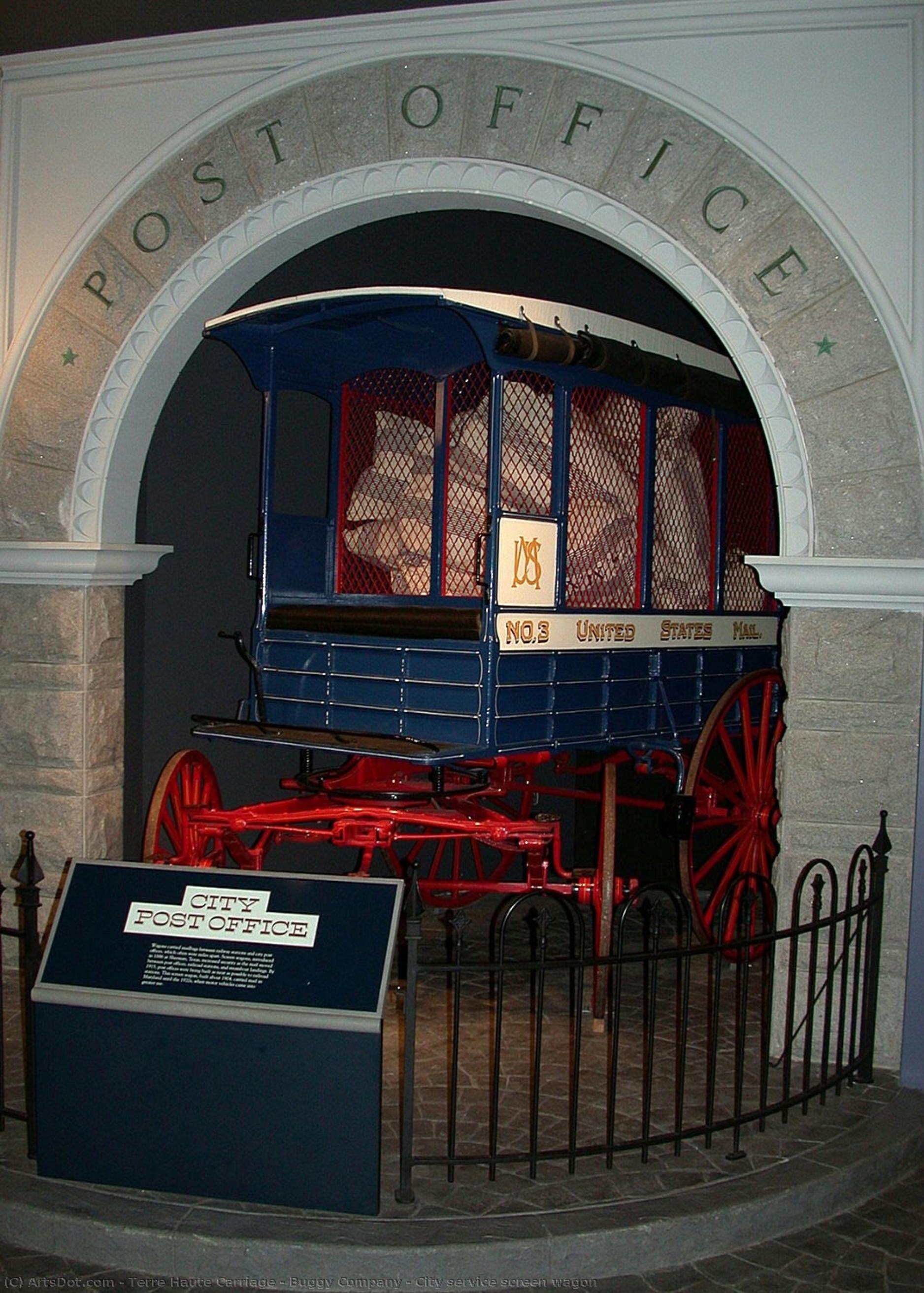
City service screen wagon
 1904
1904 274.0 x 183.0 cm
 Smithsonian's National Postal Museum
 Read More
Hand Made Oil Reproduction
Hand-painted oil on canvas in your size and frame, made to order by our artists. ( Buy Print Buy Image)




































Pick from our preset sizes that match the artwork's original proportions.

You may enter your own dimensions to fit a specific frame or space. If your selected size does not match the original image's proportions, we will either crop the artwork or extend the painting with additional hand-painted elements. A digital mockup will be sent for your approval before production begins.
Please note that the on-screen preview does not reflect the actual cropping or extension. Only the mockup will accurately show the final composition.
While custom sizes are available, we recommend selecting a dimension from the predefined list to preserve the original proportions.
After order, ArtsDot.com team will email client for instructions and provide a mockup preview
Worldwide Delivery () in 3/4 weeks instead of standard 5 weeks. (26 August). No compromise on quality.

Free Worldwide Express Shipping

High-Quality Linen Canvas

Full Shipping Insurance

Customs Tax Refund Guarantee

True Color Matching Guarantee

60-Day Return Policy (Defects Only)

100% Money-Back Guarantee

Bulk Discount Offer
 Glass option is only available in size under 110 CM

City service screen wagon
Reproduction Medium
Reproduction Size
-


Total Price
$ 263
Artwork Description
Related Artworks










Artist Biography
The Enduring Legacy of Terre Haute Carriage & Buggy Company: Crafting Mobility in a Bygone Era
The story of the Terre Haute Carriage & Buggy Company is more than just a chronicle of wheelwrights and blacksmiths; it’s a vibrant reflection of America's evolving relationship with transportation, commerce, and craftsmanship. Founded in the heartland of Indiana, this company rose to prominence during the latter half of the 19th century and into the early 20th, becoming a significant producer of horse-drawn vehicles at a time when roads were dirt tracks and the automobile was still a nascent dream. While precise details regarding its founding date and initial founders remain somewhat elusive – records from this period are often fragmented – the company’s impact is undeniably etched in the history of American industry and rural life. It wasn't merely about building carriages; it was about facilitating connection, enabling trade, and shaping the social landscape of a rapidly expanding nation.From Humble Beginnings to Regional Powerhouse
The company’s early success stemmed from its commitment to quality and durability. Terre Haute, strategically located as a transportation hub, provided access to both raw materials and burgeoning markets. Initially, the focus was on serving local farmers and residents with sturdy work wagons, buggies, and carriages designed to withstand the rigors of Midwestern terrain. As demand grew, so too did the company’s ambition. They expanded their product line to include more refined vehicles – elegant phaetons for social outings, comfortable family carriages, and even specialized designs like doctor's buggies and delivery wagons. This diversification allowed them to cater to a broader clientele, extending their reach beyond the immediate vicinity of Terre Haute. The company’s reputation wasn’t built solely on functionality; it was also about aesthetics. Skilled artisans meticulously crafted each vehicle, paying attention to details such as ornate scrollwork, polished wood finishes, and comfortable upholstery.The Golden Age of Horse-Drawn Transportation
The late 19th century represented the zenith for companies like Terre Haute Carriage & Buggy. The railroad had expanded significantly, but it didn’t reach every corner of the country. For many communities, horse-drawn transportation remained essential. This created a robust market for high-quality vehicles, and Terre Haute capitalized on this demand. Innovation, though often incremental, played a crucial role in their success. They adopted new manufacturing techniques to improve efficiency and reduce costs, while simultaneously maintaining the standards of craftsmanship that defined their brand. The company also understood the importance of marketing, showcasing their products at agricultural fairs and through catalogs distributed across several states. The vehicles produced during this period weren’t simply modes of transport; they were symbols of status, prosperity, and a connection to the land. Families took pride in owning a well-made carriage, often using it for both practical purposes and social occasions.Facing the Rise of the Automobile & A Gradual Transition
The dawn of the 20th century brought with it an inevitable challenge: the automobile. As Henry Ford’s Model T made personal transportation more accessible, the demand for horse-drawn vehicles began to decline. Many carriage companies struggled to adapt, but Terre Haute Carriage & Buggy demonstrated a degree of foresight and resilience. They didn't immediately abandon their core business, recognizing that horses would continue to play a role in agriculture and rural life for some time. However, they also began to explore opportunities in the emerging automotive industry. While details are scarce, it’s believed the company may have initially focused on producing components for automobiles or offering repair services for these new machines. This transition wasn't seamless, and the company eventually scaled down its operations as the automobile became increasingly dominant.A Lasting Symbol of American Ingenuity
Though the Terre Haute Carriage & Buggy Company no longer exists in its original form, its legacy endures. The vehicles they produced are now highly sought-after by collectors and enthusiasts, representing a tangible link to a bygone era. They stand as testaments to the skill and dedication of American craftsmen, embodying a spirit of innovation and a commitment to quality that defined a generation. More than just antique objects, these carriages offer a glimpse into the social, economic, and technological landscape of 19th-century America.- They remind us of a time when travel was slower, more deliberate, and deeply connected to the rhythms of nature.
- The company’s story highlights the challenges faced by businesses during periods of rapid technological change.
- It serves as an inspiration for preserving traditional crafts and celebrating the artistry of handmade objects.
Quick Facts
- Artistic Movement Or Style: Carriage Manufacturing
- Date Of Death: Living
- Full Name: Terre Haute Carriage & Buggy Company