 Preview
 Send
Send Share
Share
 Details

 Download
 Similars
 X-Ray
X-Ray Diaporama
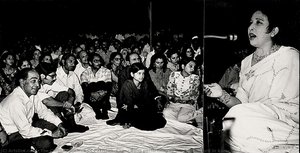
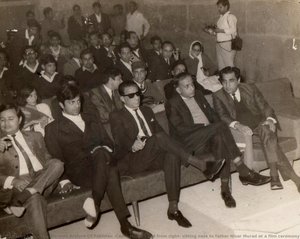
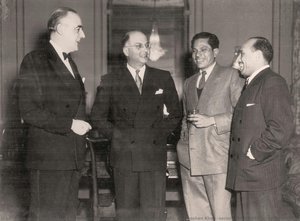
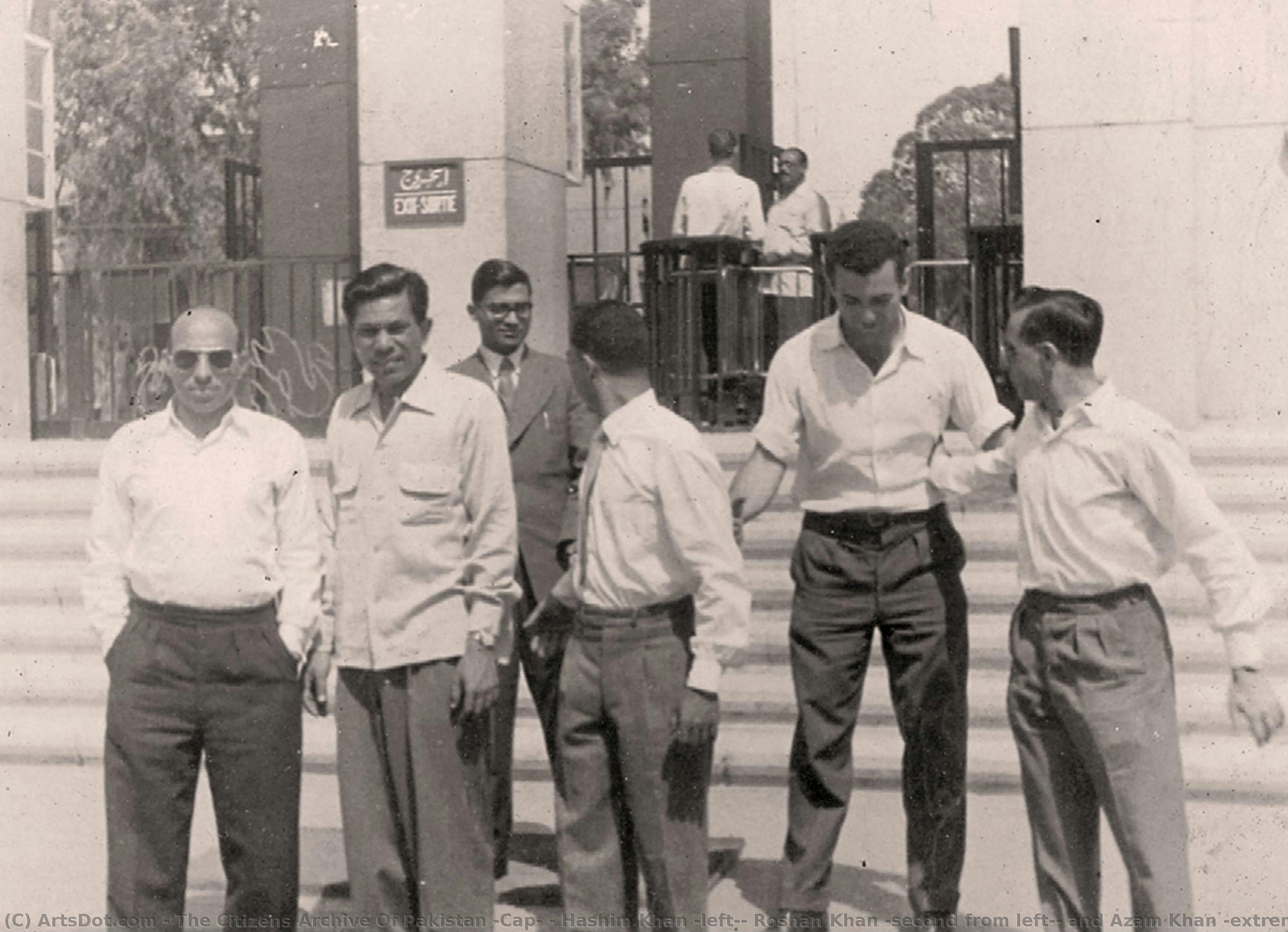
Hashim Khan (left), Roshan Khan (second from left), and Azam Khan (extreme right) pictured in front of a museum in Egypt during international touring. Circa 1950s.

 Read More
Hand Made Oil Reproduction
Hand-painted oil on canvas in your size and frame, made to order by our artists. ( Buy Print Buy Image)




































Pick from our preset sizes that match the artwork's original proportions.

You may enter your own dimensions to fit a specific frame or space. If your selected size does not match the original image's proportions, we will either crop the artwork or extend the painting with additional hand-painted elements. A digital mockup will be sent for your approval before production begins.
Please note that the on-screen preview does not reflect the actual cropping or extension. Only the mockup will accurately show the final composition.
While custom sizes are available, we recommend selecting a dimension from the predefined list to preserve the original proportions.
After order, ArtsDot.com team will email client for instructions and provide a mockup preview
Worldwide Delivery () in 3/4 weeks instead of standard 5 weeks. (25 August). No compromise on quality.

Free Worldwide Express Shipping

High-Quality Linen Canvas

Full Shipping Insurance

Customs Tax Refund Guarantee

True Color Matching Guarantee

60-Day Return Policy (Defects Only)

100% Money-Back Guarantee

Bulk Discount Offer
 Glass option is only available in size under 110 CM

Hashim Khan (left), Roshan Khan (second from left), and Azam Khan (extreme right) pictured in front of a museum in Egypt during international touring. Circa 1950s.
Reproduction Medium
Reproduction Size
-


Total Price
$ 263
Related Artworks





Artist Biography
The Collective Memory of a Nation: The Citizens Archive of Pakistan
The Citizens Archive of Pakistan (CAP) is unlike any traditional artistic entity. It isn’t the product of a single hand, vision, or lifetime; rather, it's a living, breathing repository built upon the shared experiences and collective memory of a nation. Founded in 2007 by Zara Baloch and Habib Jalib, CAP emerged from a profound need to preserve Pakistan’s oral history – stories often marginalized or lost amidst political upheaval and societal shifts. It began as a grassroots initiative, fueled by volunteers dedicated to collecting interviews, photographs, documents, and artifacts that paint a vivid portrait of the country's past, particularly focusing on the period surrounding Partition in 1947 and its enduring consequences. This wasn’t simply about archiving facts; it was about capturing *feelings*, preserving the emotional weight of displacement, resilience, and nation-building.From Oral Histories to a National Resource
CAP's initial work centered on recording firsthand accounts from survivors of Partition – individuals who witnessed the trauma of migration, loss, and the birth of two new nations. These interviews, conducted with meticulous care and sensitivity, form the core of CAP’s collection. However, the archive quickly expanded beyond this singular focus. Recognizing the richness and diversity of Pakistani history, CAP began to document a wider range of experiences: stories from veterans of various wars, accounts of social movements, recollections of everyday life in different regions, and the preservation of traditional crafts and cultural practices. The organization’s methodology is deeply rooted in participatory archiving – empowering communities to contribute their own narratives and shape the historical record. This approach distinguishes CAP from more top-down archival projects, fostering a sense of ownership and inclusivity.Bridging the Past with the Present
CAP's impact extends far beyond the realm of academic research. The organization actively utilizes its archive to create educational programs, exhibitions, and multimedia resources that engage diverse audiences. Their traveling exhibits, often featuring oral history excerpts alongside photographs and artifacts, have brought these stories to schools, universities, and public spaces across Pakistan and internationally. These exhibits aren’t static displays; they are designed to spark dialogue, encourage critical thinking, and foster a deeper understanding of the nation's complex past. CAP also leverages digital platforms – including its website and social media channels – to make its collection accessible to a wider global audience. This commitment to accessibility is crucial in ensuring that these vital stories reach future generations.Influences and Artistic Development
While not operating as a traditional art collective, CAP’s work draws heavily from the principles of documentary art, oral history methodologies, and community-based archiving practices. The influence of artists like Martha Rosler, whose work explores the power of images and narratives in shaping public perception, is evident in CAP's commitment to challenging dominant historical narratives. Furthermore, the organization’s emphasis on participatory storytelling reflects a broader trend in contemporary art towards collaborative and socially engaged practice. CAP’s “development” isn’t marked by stylistic shifts but rather by an expanding scope of collection and increasingly sophisticated methods for disseminating its findings. They have moved from simply preserving stories to actively using them as tools for education, reconciliation, and social change.Historical Significance and Ongoing Legacy
The Citizens Archive of Pakistan occupies a unique and vital space within the cultural landscape of Pakistan. In a country often grappling with issues of identity, political polarization, and historical revisionism, CAP serves as a crucial counter-narrative – a platform for marginalized voices and a testament to the resilience of the human spirit.- CAP has played a significant role in fostering dialogue around sensitive topics such as Partition, ethnic conflict, and social injustice.
- The organization’s work has contributed to a more nuanced understanding of Pakistani history, challenging simplistic or nationalistic interpretations.
- By empowering communities to preserve their own stories, CAP has fostered a sense of ownership over the historical record.
- CAP's digital archive ensures that these vital narratives are accessible to future generations, safeguarding them from being lost or forgotten.
Quick Facts
- Artistic Movement Or Style: Archival Arts & Storytelling
- Date Of Death: Living
- Full Name: The Citizens Archive Of Pakistan (CAP)
- Nationality: Pakistani
- Notable Artworks:
- Oral History Project
- Digital Archive
- Exhibitions & Events