 Preview
 Send
Send Share
Share
 Details

 Download
 Similars
 X-Ray
X-Ray Diaporama
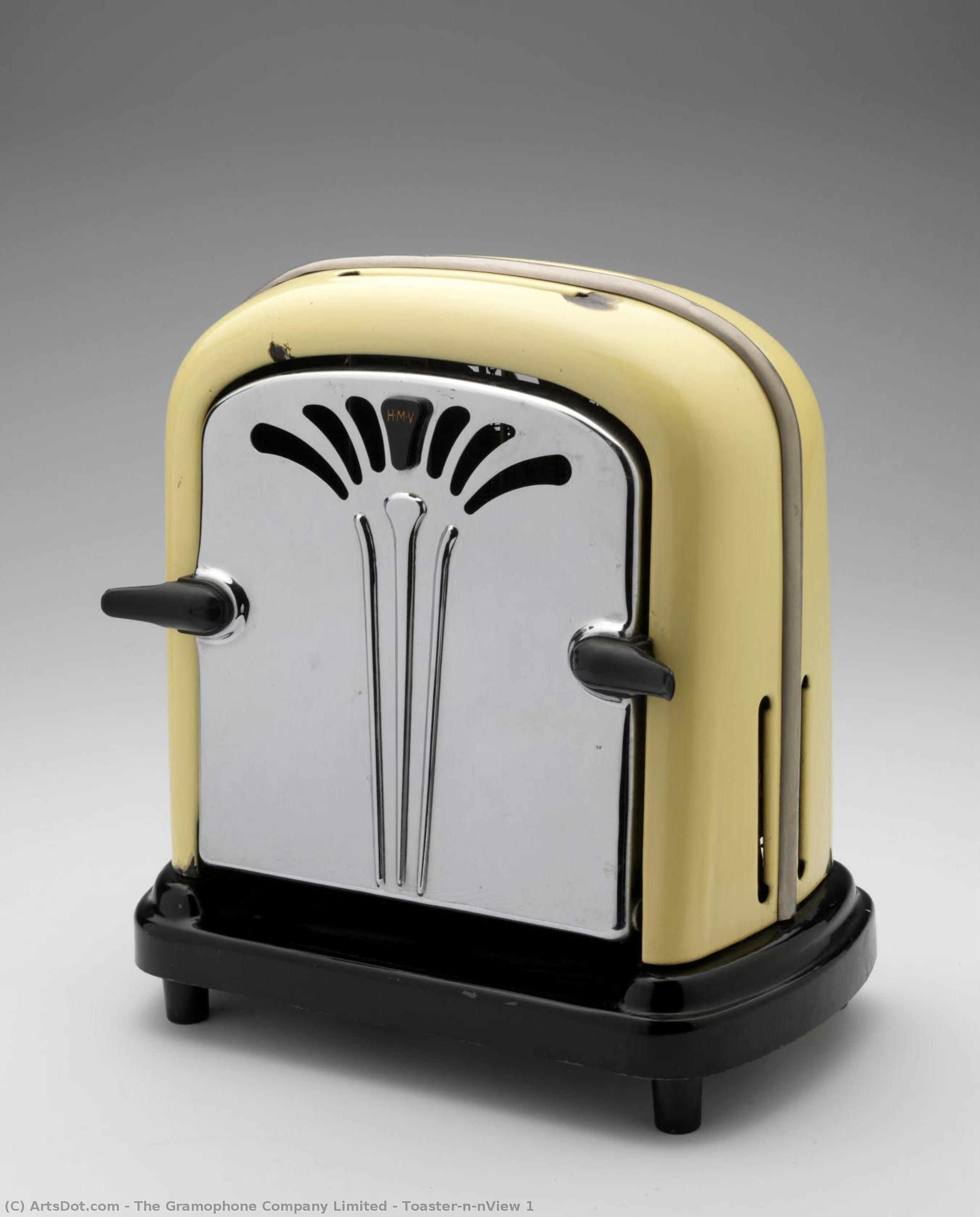
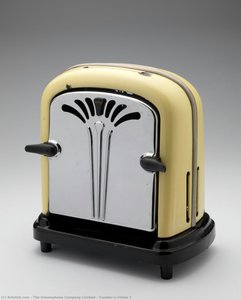
Toaster\n\nView 1
 1949
1949 22.0 x 20.0 cm
 NEMO Science Museum
 Read More
Hand Made Oil Reproduction
Hand-painted oil on canvas in your size and frame, made to order by our artists. ( Buy Print Buy Image)




































Pick from our preset sizes that match the artwork's original proportions.

You may enter your own dimensions to fit a specific frame or space. If your selected size does not match the original image's proportions, we will either crop the artwork or extend the painting with additional hand-painted elements. A digital mockup will be sent for your approval before production begins.
Please note that the on-screen preview does not reflect the actual cropping or extension. Only the mockup will accurately show the final composition.
While custom sizes are available, we recommend selecting a dimension from the predefined list to preserve the original proportions.
After order, ArtsDot.com team will email client for instructions and provide a mockup preview
Worldwide Delivery () in 3/4 weeks instead of standard 5 weeks. (24 August). No compromise on quality.

Free Worldwide Express Shipping

High-Quality Linen Canvas

Full Shipping Insurance

Customs Tax Refund Guarantee

True Color Matching Guarantee

60-Day Return Policy (Defects Only)

100% Money-Back Guarantee

Bulk Discount Offer
 Glass option is only available in size under 110 CM

Toaster\n\nView 1
Reproduction Medium
Reproduction Size
-


Total Price
$ 263
Related Artworks





Artist Biography
The Voice of an Era: The Gramophone Company Limited
The story of The Gramophone Company Limited is not that of a single artist wielding brush or chisel, but rather the tale of a pioneering enterprise that fundamentally altered how we experience and preserve sound. Born from the inventive spirit of Émile Berliner in 1887 with his invention of the disc gramophone – a revolutionary alternative to Thomas Edison’s cylinder phonograph – the company quickly transcended its initial technological foundation to become a cultural force, shaping musical tastes and democratizing access to performance across continents. While Berliner himself laid the groundwork, The Gramophone Company Limited, as it evolved under British leadership, became synonymous with recorded music for generations. Its origins were decidedly pragmatic: a quest to create a more durable, easily reproducible method of capturing and distributing sound than existing wax cylinders allowed. This pursuit led not only to the development of superior disc technology but also to an early understanding of the importance of branding and marketing in cultivating a consumer base eager for this new form of entertainment.From Scientific Innovation to Musical Empire
The company’s trajectory was marked by astute business decisions and a relentless drive for innovation. In 1898, Francis Hetherington-Smith took the helm, establishing The Gramophone Company Limited in London. He recognized that simply producing a machine wasn't enough; content was king. Early recordings were often made of operatic stars and military bands – reflecting the tastes of the Victorian upper classes. However, the company quickly expanded its repertoire to include popular songs, vaudeville acts, and instrumental pieces, broadening its appeal. The iconic “The Angel” trademark, featuring a winged woman with a gramophone, became an instantly recognizable symbol of quality and sophistication. This branding was crucial in establishing trust and desirability amongst consumers who were still grappling with the novelty of recorded sound. Crucially, they invested heavily in securing exclusive recording contracts with leading artists, creating a competitive advantage that would define their success for decades to come. The development of portable gramophones further fueled demand, bringing music into homes previously untouched by such luxuries.A Legacy of Sound: Influences and Development
The Gramophone Company’s influence extended far beyond the realm of technology and commerce; it actively shaped musical culture itself. By providing a platform for artists to reach wider audiences, they fostered the growth of popular music genres. The company's recording practices also influenced performance styles – singers learned to adapt their techniques to suit the limitations (and possibilities) of the recording process. Early recordings were often monaural and lacked dynamic range, prompting artists to emphasize clarity and projection. As technology improved, so too did the quality of recordings, leading to more nuanced and expressive performances. The company’s commitment to cataloging and preserving music also played a vital role in documenting musical traditions for posterity. They weren't simply selling entertainment; they were creating an archive of sound that continues to resonate today. The rise of radio presented a significant challenge, but The Gramophone Company adapted by focusing on higher-fidelity recordings and the development of long-playing (LP) records – innovations that would ultimately solidify their position as industry leaders.Major Achievements and Historical Significance
Throughout the 20th century, The Gramophone Company underwent several transformations, including mergers with other prominent record labels. In 1931 it merged with Columbia Graphophone Company to form Electrical and Musical Industries (EMI), a powerhouse that dominated the recording industry for much of the century. However, the core legacy of The Gramophone Company – its pioneering spirit, commitment to quality, and understanding of the power of music – remained intact.- Technological Innovation: From the disc gramophone itself to the development of LP records and stereo sound, the company consistently pushed the boundaries of recording technology.
- Artist Development: Securing exclusive contracts with leading artists helped shape musical tastes and foster the growth of popular music genres.
- Branding and Marketing: The iconic “The Angel” trademark established trust and desirability amongst consumers, creating a loyal customer base.
- Cultural Impact: Democratizing access to music and preserving musical traditions for posterity.
Quick Facts
- Artistic Movement Or Style: Sound Recording Pioneer
- Date Of Death: Living
- Full Name: The Gramophone Company Limited