Artist Biography
A Repository of Regional Identity: The Homeland Museum of Knjaževac
The Homeland Museum of Knjaževac isn't a single artist in the traditional sense, but rather a collective embodiment of artistic and historical preservation representing the Timok Valley region of Serbia. Founded in 1948, it functions as a vital cultural institution dedicated to collecting, researching, documenting, and exhibiting the material and immaterial heritage of this often-overlooked corner of Eastern Serbia. Its story is one interwoven with the post-war reconstruction efforts of Yugoslavia, the desire to forge a national identity rooted in local narratives, and the ongoing commitment to safeguarding the region’s unique cultural tapestry. The museum's early focus centered on archaeological finds – remnants of Roman settlements like *Ad Militaria* near modern-day Velika Plana, providing tangible links to the area’s ancient past. However, its scope quickly broadened to encompass ethnography, history, art, and natural sciences, reflecting a holistic approach to understanding the region's multifaceted identity.
From Local Histories to National Narratives
The initial impetus for establishing the museum stemmed from a need to document the lives of ordinary people in the aftermath of World War II. The collection began with artifacts donated by local communities – traditional costumes, agricultural tools, household objects, and folk art pieces. These items weren’t merely relics of a bygone era; they were imbued with stories of resilience, hardship, and cultural continuity. The museum's ethnographical holdings are particularly rich, offering insights into the customs, beliefs, and social structures of the Timok Valley’s diverse population – Serbs, Vlachs, Romani, and others who have shaped the region over centuries. This early work was deeply connected to the socialist project of nation-building, aiming to showcase a unified Yugoslav identity while simultaneously acknowledging the distinct cultural contributions of its constituent republics and regions. The museum actively sought out oral histories, preserving songs, legends, and personal accounts that would otherwise have been lost.
Expanding Horizons: Art and Archaeology
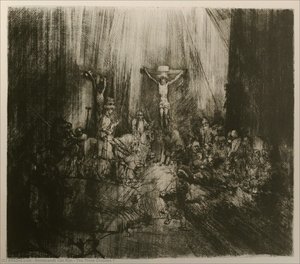
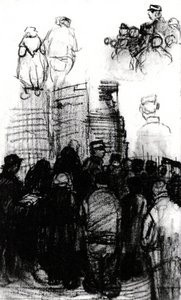
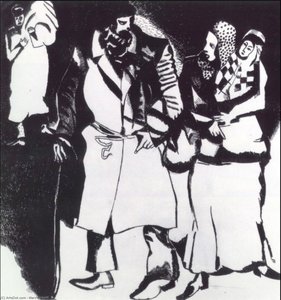
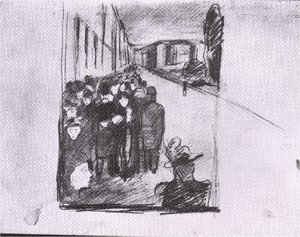
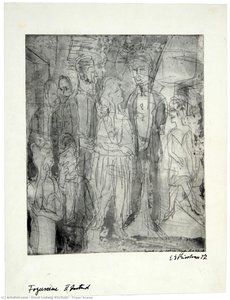
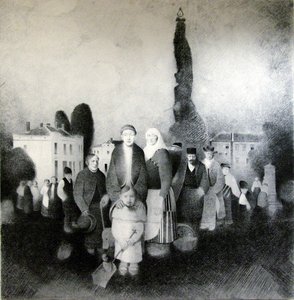
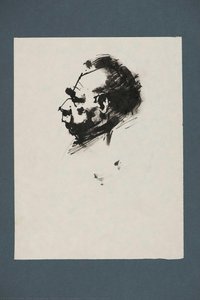
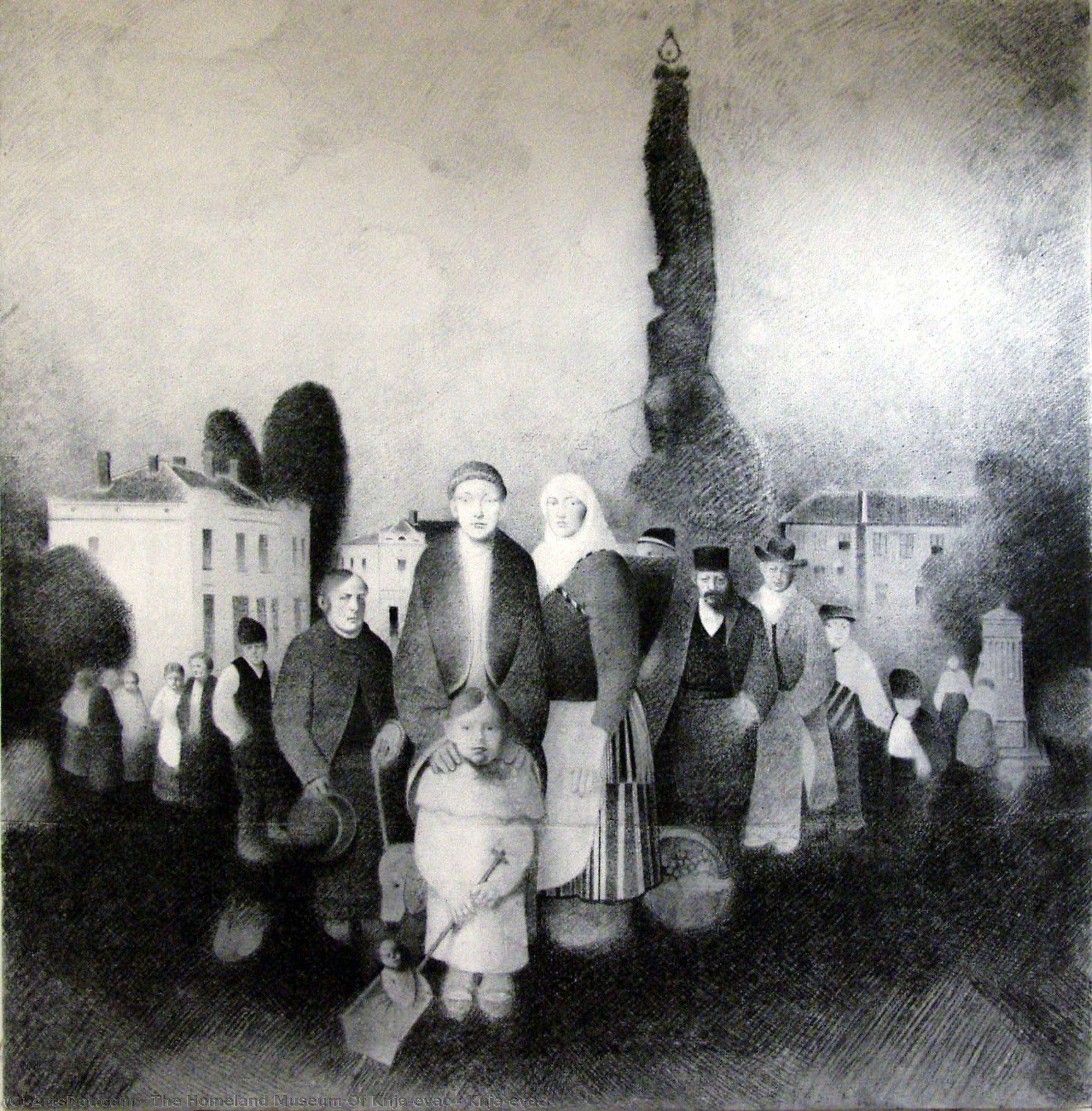
Throughout the latter half of the 20th century, the Homeland Museum expanded its focus to include fine art and archaeology more prominently. The art collection features works by Serbian artists who either hailed from the Timok Valley or depicted scenes of the region’s landscape and people. While not exclusively dedicated to a single style, the museum's holdings reflect a preference for realist and socially engaged art that resonated with the prevailing ideological climate. Archaeological excavations continued at *Ad Militaria* and other sites, yielding valuable insights into the Roman presence in the area and contributing to a broader understanding of the region’s historical significance. The discovery of well-preserved mosaics and architectural fragments helped establish Knjaževac as an important center for archaeological research. The museum's commitment to public outreach meant that these discoveries were not confined to academic circles; exhibitions and educational programs brought the past to life for local communities, fostering a sense of pride in their heritage.
Contemporary Challenges and Future Directions
The turbulent events of the 1990s presented significant challenges for the Homeland Museum, as with many cultural institutions in the former Yugoslavia. Funding cuts, political instability, and social upheaval threatened its ability to maintain its collections and continue its research activities. However, the museum persevered, adapting to changing circumstances and seeking new sources of support. In recent years, there has been a renewed emphasis on digital preservation, making the museum’s holdings accessible to a wider audience through online databases and virtual exhibitions. The museum is also actively involved in collaborative projects with other institutions both within Serbia and internationally, promoting cultural exchange and fostering a deeper understanding of the Timok Valley's place in the broader European context. The ongoing mission remains centered on preserving the region’s unique identity while embracing new technologies and engaging with contemporary issues.
A Legacy of Preservation
The Homeland Museum of Knjaževac stands as a testament to the enduring power of local narratives and the importance of cultural preservation. It is not simply a repository of artifacts; it is a living institution that continues to shape the region’s identity and connect its past with its present. Its legacy lies in its unwavering commitment to documenting the lives of ordinary people, safeguarding their traditions, and fostering a sense of pride in their heritage. The museum's work serves as a powerful reminder that history is not just about grand events and famous figures; it is also about the everyday experiences, struggles, and triumphs of those who came before us. As Serbia continues to navigate its complex relationship with its past and future, institutions like the Homeland Museum will play an increasingly vital role in shaping a more inclusive and nuanced understanding of national identity.


 Preview
 Send
Send Share
Share
 Details

 Download
 Similars
 X-Ray
X-Ray Diaporama

 Read More
 Buy Hand Made Painting





































 Glass option is only available in size under 110 CM