

 Preview
 Send
Send Share
Share
 Details

 Download
 Similars
 X-Ray
X-Ray Diaporama
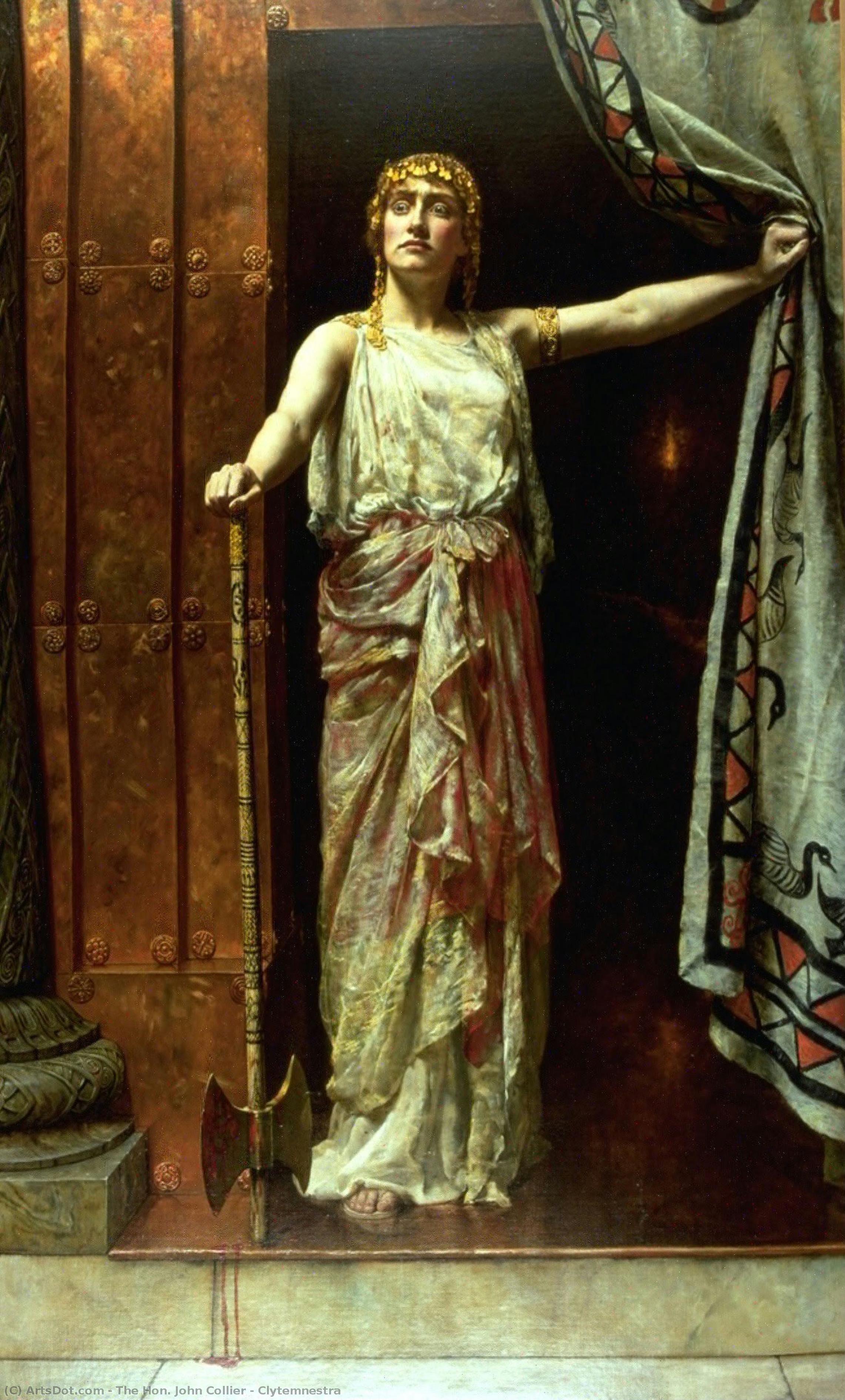
Clytemnestra


 Read More
Purchase a high-resolution, enhanced digital image, far superior to the online preview.
Each file is meticulously prepared by our in-house specialists using advanced tools and expert manual retouching. We ensure every image has exceptional clarity, precise color accuracy, and fine detail.
The final file is delivered via email within 72 hours, optimized for immediate use in professional, editorial, and print environments. This is the same quality trusted by top-tier design studios, publishers, and galleries.
Digital Image
Download a high-resolution file for personal display, printing, and creative projects. ( Buy Print Buy Hand Made Painting)
Included in Every Digital Image Order
Expert Digital Delivery, Guaranteed
When you choose ArtsDot.com, you're not just getting an image - you're receiving a professionally enhanced digital artwork, crafted with precision and backed by a satisfaction guarantee. Here's everything that comes with your order, automatically:

Fast Email Delivery
Your high-resolution digital image file will be emailed to you within 72 hours of ordering - ready for immediate use.

AI-Enhanced Digital File
Your artwork is professionally optimized using advanced AI tools and manual editing, ensuring maximum detail, clarity, and color accuracy.

Free Lifetime Re-Delivery
Accidentally deleted or lost your file? No worries - we'll resend it to you anytime, free of charge.

No Import Fees - Ever
Enjoy your artwork instantly with zero customs, duties, or delivery fees - digital downloads are always tax-free.

Color Accuracy Guarantee
We ensure your digital image reflects the original colors as closely as possible using professional tools and color management.

60-Day Satisfaction Guarantee
If you're not satisfied with your digital image, we'll revise it or refund 100% within 60 days - no questions asked.

100% Money-Back Guarantee
Not satisfied? Get a full refund within 60 days of receiving your digital file - no questions asked.

Bulk Order Discounts
Buy 3 images, save 10% - Buy 5, save 15% - Buy 10+, save 20%. Great for creative projects, galleries, and agencies.
Collectible Description
A Moment of Blood and Retribution
In the hauntingly visceral masterpiece Clytemnestra, painted in 1882 by The Hon. John Collier, we are thrust into the immediate, breathless aftermath of one of Greek mythology's most harrowing tragedies. The canvas captures a psychological threshold—the precise moment when vengeance has been enacted, but the adrenaline of the crime still pulses through the veins of the protagonist. Clytemnestra stands as a figure of terrifying strength, her eyes wide with a wild, uncontained intensity that speaks of both grief and triumph. Having murdered her husband Agamemnon and his lover Cassandra to avenge the sacrifice of her daughter Iphigenia, she is no longer merely a queen; she is an instrument of fate. Collier masterfully utilizes the theatricality of the scene, inviting the viewer to witness a private moment of profound emotional upheaval that feels as though it were staged upon a grand, operatic set.
The artist’s technique reflects his deep immersion in both the London theatrical world and the meticulous traditions of archaeological realism. There is a striking tension between the raw, blood-spattered reality of her garments and the disciplined, classical precision of the setting. Collier’s brushwork brings a tactile quality to the scene, from the heavy, dramatic folds of the curtains to the cold, imposing presence of the ancient Greek architecture. A fascinating detail for the keen observer is the inclusion of a column from the Treasury of Atreus at Mycenae; in a charming nod to human error, Collier placed the capital at the base of the column—a mistake likely inspired by seeing the artifact displayed upside down at the British Museum. This blend of scholarly pursuit and artistic license creates a work that is both historically grounded and dramatically heightened.
Symbolism and the Subversion of Tradition
Beyond the surface narrative, Clytemnestra serves as a powerful subversion of Victorian gender norms. During an era when female subjects in art were often depicted with soft, passive, or domestic qualities, Collier presents a figure that is strikingly androgynous and physically dominant. This Clytemnestra possesses a commanding presence that asserts her agency through violence and intellect. The gold necklace adorning her neck provides a sharp, elegant contrast to the carnage of the murder, symbolizing the lingering remnants of her royal status amidst the chaos of her crime. The composition, featuring secondary figures peering from the periphery, enhances the sense of voyeurism, making the viewer an accomplice to the unfolding drama.
For collectors and interior designers, this painting offers more than mere decoration; it provides a profound focal point for spaces that demand character and intellectual depth. A high-quality reproduction of this work brings a sense of historical gravity and narrative complexity to any room. Whether placed in a study filled with classical literature or as a bold statement piece in a contemporary gallery-style living space, the painting’s interplay of light, shadow, and intense emotion commands attention. It is an invitation to contemplate the cyclical nature of revenge, the weight of history, and the enduring power of the human psyche, making it an incomparable acquisition for those who seek art that tells a story far beyond the frame.
Related Artworks





Artist Biography
A Life Immersed in Portraiture: The World of John Collier
John Maler Collier, born on January 27th, 1850, into a distinguished British family, was destined for a life intertwined with both artistic expression and societal prominence. His father, Sir Robert Perrett Collier, a respected lawyer and later Lord Monkswell, instilled in him a sense of intellectual curiosity, while his grandfather’s background as a Quaker merchant hinted at the pragmatic spirit that would subtly inform his approach to art. Educated at Eton College, young John initially pursued academic avenues before fully embracing his passion for painting. This path led him to Paris, where he studied under Jean-Paul Laurens, and subsequently to Munich, laying the foundation for a career that would see him become one of the most sought-after portraitists of the Victorian era. Collier’s life was uniquely marked by familial connections within the scientific community; both his wives were daughters of the renowned biologist Thomas Henry Huxley, further enriching his intellectual landscape and providing access to a world beyond the confines of artistic circles.Early Influences and Artistic Development
Collier's formative years were significantly shaped by exposure to the Pre-Raphaelite movement, though he never fully aligned himself with its strict tenets. He absorbed the meticulous detail and vibrant color palettes championed by artists like Millais and Alma-Tadema—the latter proving particularly influential—but tempered these qualities with a distinctly realist sensibility. While studying at the Slade School of Fine Art under Sir Edward Poynter, Collier began to develop his signature style: portraits that weren’t merely representations of physical likeness but rather insightful explorations of character and psychological depth. He wasn't solely focused on capturing outward appearances; he sought to reveal the inner lives of his sitters, a quality that quickly set him apart from many of his contemporaries. This dedication to portraying personality led him to become a founding member of the Royal Society of Portrait Painters in 1875, solidifying his position within the London art scene and providing a platform for showcasing his increasingly sophisticated work.The Height of His Career: Capturing Victorian Society
By the late 19th and early 20th centuries, John Collier had become synonymous with portraiture among the British elite. He possessed an extraordinary ability to connect with his subjects, earning their trust and allowing him to capture a remarkable degree of authenticity in his paintings. His commissions spanned a diverse range of individuals—from prominent politicians like the Earl of Selborne and Lord Halsbury to literary figures such as Rudyard Kipling, and even members of the royal family, including King George V. However, Collier’s artistic interests extended beyond the realm of formal portraiture. He frequently incorporated allegorical elements and dramatic narratives into his work, often drawing inspiration from classical mythology and biblical stories. Paintings like *The Laboratory* (1895) and *Lady Godiva* (1898) demonstrate this penchant for exploring complex themes through visually arresting compositions. His willingness to tackle challenging subjects—such as the provocative *Eve* (1911)—revealed a bold artistic spirit unafraid of pushing boundaries.Beyond the Brush: A Literary Pursuits and Lasting Legacy
Collier’s intellectual curiosity wasn't confined to the visual arts; he was also a prolific writer, publishing several influential books on painting technique, including *The Primer of Art* (1882) and *A Manual of Oil Painting* (1886). These works not only showcased his technical expertise but also offered valuable insights into the artistic process for aspiring painters. His most comprehensive publication, *The Art of Portrait Painting* (1905), remains a respected resource for students and art enthusiasts alike. In 1920, Collier was awarded an OBE in recognition of his contributions to the arts. He continued painting until his death on April 11th, 1934, leaving behind a vast body of work that provides a fascinating glimpse into Victorian society and the psychological complexities of its inhabitants. His paintings continue to captivate audiences today, celebrated for their technical brilliance, emotional depth, and enduring artistic power.A Lasting Impression: Collier’s Historical Significance
John Collier occupies a unique position in British art history as a bridge between the Pre-Raphaelite tradition and the emerging realism of the 20th century. He successfully blended meticulous detail with psychological insight, creating portraits that were both visually stunning and emotionally resonant. His influence extended beyond his own paintings; through his writings, he helped to shape the understanding and practice of portraiture for generations of artists. His ability to capture not just likeness but also character, combined with his willingness to explore complex themes, cemented his reputation as one of the most important portrait painters of his time. Collier’s work serves as a valuable historical record of Victorian society, offering insights into the lives and personalities of its leading figures while simultaneously demonstrating the enduring power of art to reveal the human condition.
Quick Facts
- Artistic Movement Or Style: Pre-Raphaelite Realism
- Artists Who Influenced This Artist:
- Lawrence Alma-Tadema
- John Everett Millais
- Date Of Birth: January 27, 1850
- Date Of Death: April 11, 1934
- Full Name: John Maler Collier
- Nationality: British
- Notable Artworks:
- Eve (1911)
- The Laboratory (1895)
- Place Of Birth: London, England

