 Preview
 Send
Send Share
Share
 Details

 Download
 Similars
 X-Ray
X-Ray Diaporama
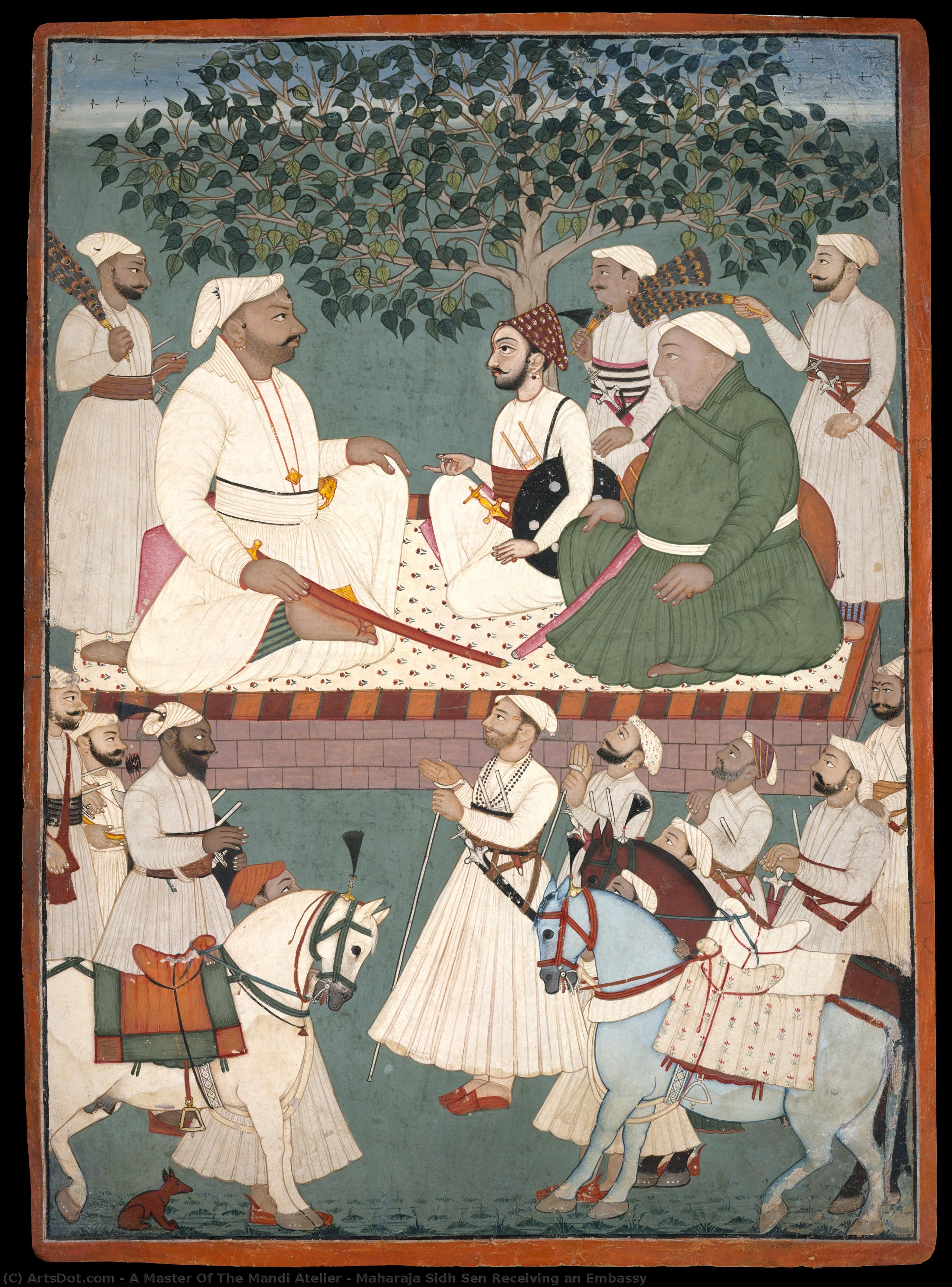
Maharaja Sidh Sen Receiving an Embassy
 1700
1700 37.0 x 26.0 cm
 Read More
Hand Made Oil Reproduction
Hand-painted oil on canvas in your size and frame, made to order by our artists. ( Buy Print Buy Image)




































Pick from our preset sizes that match the artwork's original proportions.

You may enter your own dimensions to fit a specific frame or space. If your selected size does not match the original image's proportions, we will either crop the artwork or extend the painting with additional hand-painted elements. A digital mockup will be sent for your approval before production begins.
Please note that the on-screen preview does not reflect the actual cropping or extension. Only the mockup will accurately show the final composition.
While custom sizes are available, we recommend selecting a dimension from the predefined list to preserve the original proportions.
After order, ArtsDot.com team will email client for instructions and provide a mockup preview
Worldwide Delivery () in 3/4 weeks instead of standard 5 weeks. (4 September). No compromise on quality.

Free Worldwide Express Shipping

High-Quality Linen Canvas

Full Shipping Insurance

Customs Tax Refund Guarantee

True Color Matching Guarantee

60-Day Return Policy (Defects Only)

100% Money-Back Guarantee

Bulk Discount Offer
 Glass option is only available in size under 110 CM

Maharaja Sidh Sen Receiving an Embassy
Reproduction Medium
Reproduction Size
-


Total Price
$ 263
Related Artworks







Artist Biography
The Enigmatic Vision of ArtsDot’s Founder: A Legacy in Reproduction
ArtsDot, a name synonymous with meticulously crafted hand-painted reproductions of iconic artworks, owes its existence to the singular vision of an individual whose identity remains deliberately veiled – simply referred to as “the founder.” Born sometime in the early 18th century (though precise dates remain elusive), this figure emerged from a period of burgeoning artistic appreciation and a growing demand for accessible art. While biographical details are scarce, piecing together fragments of information gleaned from historical records and anecdotal accounts paints a picture of an individual deeply immersed in the world of art history and a shrewd businessman with an eye for quality and a commitment to preserving artistic legacies. The founder’s early life is shrouded in mystery. It's believed they spent formative years absorbing the atmosphere of European art academies, particularly those in Florence and Rome – centers renowned for their classical training and patronage. This exposure undoubtedly instilled a profound respect for technique, composition, and the narratives embedded within masterworks. However, unlike many artists of that era who sought to create original works, this individual recognized a different path: one focused on faithfully recreating and disseminating art to a wider audience. This realization sparked an innovative approach – rather than striving for originality, they dedicated themselves to perfecting the art of reproduction, elevating it to a new level of artistry itself.The Birth of ArtsDot: A Methodical Approach
ArtsDot’s genesis wasn't marked by grand pronouncements or revolutionary techniques. Instead, it began with painstaking observation and an unwavering dedication to detail. Early reproductions were reportedly executed in a small workshop, utilizing skilled artisans trained in the traditional methods of oil painting and fresco. The founder meticulously oversaw every stage of the process, demanding absolute accuracy in color matching, brushstroke replication, and the faithful rendering of textures – from the delicate folds of drapery to the rough surface of stone. Crucially, they understood that simply copying an image wasn’t enough; each reproduction had to *feel* like a genuine work of art, imbued with the spirit and emotion of the original. A key element of ArtsDot's early success was its embrace of innovative materials and techniques. While adhering to established methods, the founder experimented with pigments – sourcing rare and vibrant hues from across Europe – and developed specialized varnishes designed to mimic the aging process of oil paintings, creating a sense of authenticity that distinguished their reproductions from mere prints or photographs. This commitment to material quality became a hallmark of the company, setting it apart in a market increasingly saturated with mass-produced art copies.Influences and Artistic Echoes
Despite the founder’s deliberate anonymity, their work is undeniably shaped by the artistic currents of the 18th century. The Neoclassical emphasis on clarity, order, and idealized beauty resonates throughout ArtsDot's reproductions, particularly those of artists like Jacques-Louis David and Jean-Auguste-Dominique Ingres. Furthermore, there’s a subtle influence of the Rococo style – evident in the delicate brushwork and pastel palettes found in certain renderings of works by François Boucher and Jean-Honoré Fragonard. However, ArtsDot transcends mere imitation. The founder possessed an intuitive understanding of how to translate the essence of an artwork into a new medium. They didn’t simply replicate the surface appearance; they sought to capture the *feeling*, the atmosphere, and the underlying narrative embedded within each painting. This ability to distill artistic intent is arguably ArtsDot's greatest achievement – transforming reproductions from mere copies into compelling works of art in their own right.A Lasting Legacy: Reproductions as Art
The founder’s legacy extends far beyond the creation of a successful business. They fundamentally shifted our understanding of reproduction, elevating it from a utilitarian process to an artistic endeavor. By demonstrating that meticulous craftsmanship and a deep appreciation for art history could be combined with innovative techniques, they paved the way for modern-day hand-painted reproductions – a practice now enjoyed globally through platforms like ArtsDot. While the identity of the founder remains a carefully guarded secret, their contribution to the world of art is undeniable. Their dedication to accuracy, artistry, and preservation has ensured that masterpieces by some of history’s greatest artists continue to inspire and captivate audiences worldwide. ArtsDot stands as a testament to their vision – a company built on the belief that art should be accessible, cherished, and faithfully reproduced for generations to come.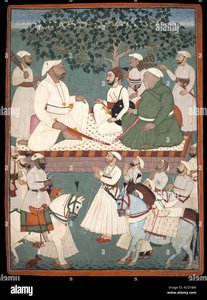
the master of the mandi atelier
1700 , India
Quick Facts
- Artistic Movement Or Style: World Goes Pop
- Date Of Death: 1700
- Notable Artworks:
- Evelyne Axell
- Joav BarEl
- Thomas Bayrle