Artist Biography
The Living Canvas: The Mulka Project and the Preservation of Yolngu Culture
The Mulka Project, born from a profound collaboration between the Yolngu people of Northeast Arnhem Land in Australia and art historians, represents far more than an artistic endeavor; it is a vital act of cultural preservation. Unlike many artists whose work emerges from individual vision, The Mulka Project functions as a collective expression, a living archive painted onto bark canvases and woven into the fabric of contemporary life. Its origins lie not in a singular moment of inspiration but in a growing concern for the safeguarding of Yolngu knowledge systems – stories, ceremonies, and ancestral connections – threatened by rapid societal changes and external influences. The project isn’t about *creating* art as much as it is about continuing an ancient tradition, ensuring its survival for future generations.
A Legacy Etched in Bark: Traditional Practices and the Art of Rirratjingu
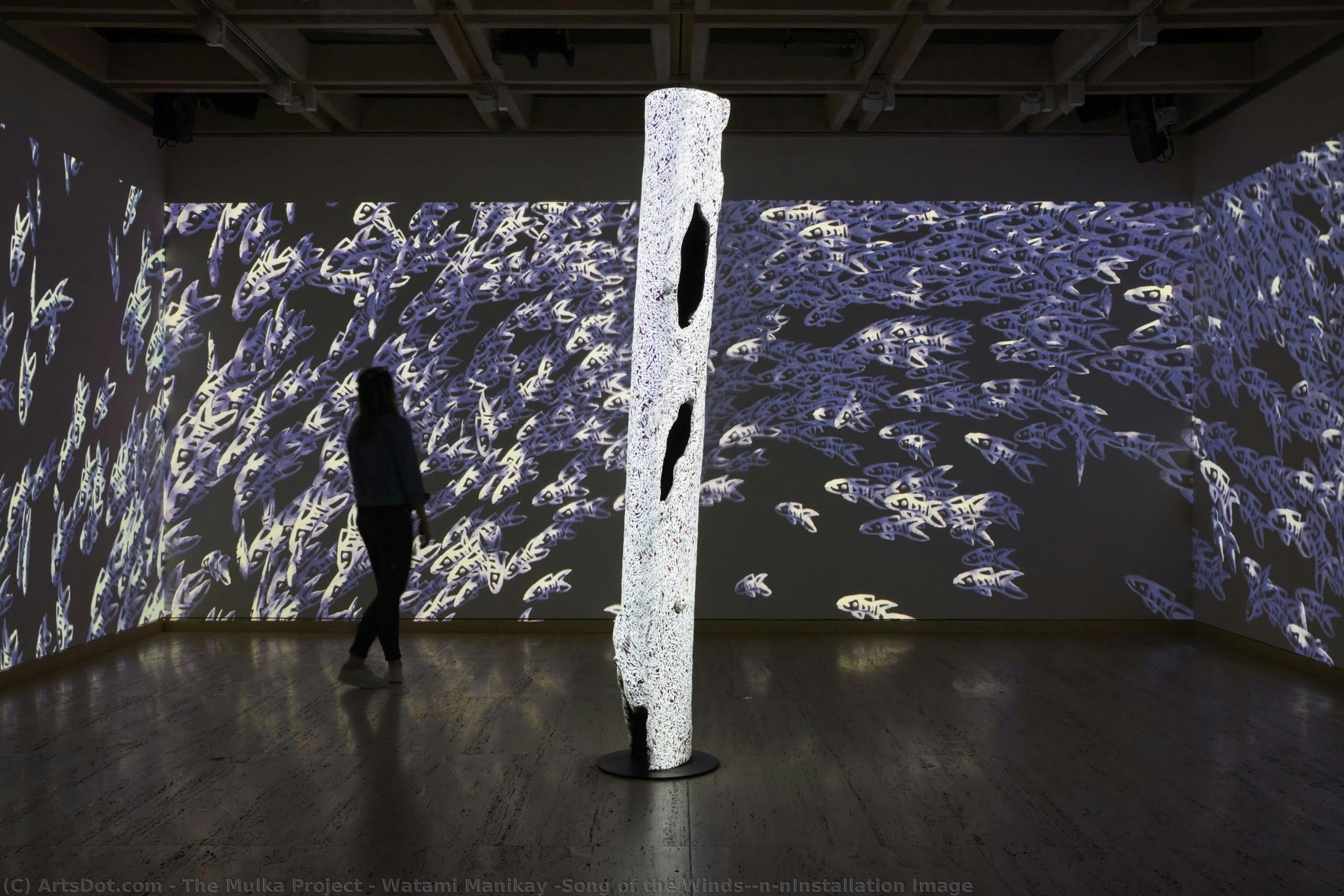
The artistic foundation of Mulka lies deeply rooted in the millennia-old practices of the Rirratjingu people. For countless generations, Yolngu artists have used natural pigments derived from ochre – red, yellow, white, and charcoal – to depict their ancestral lands, Dreamtime stories (often referred to as *songlines*), and ceremonial life on bark canvases. This isn’t merely representation; the paintings are maps of knowledge, embodying complex cosmological beliefs and social structures. The process itself is imbued with ritual significance, from the careful selection and preparation of the bark – harvested sustainably from stringybark trees – to the application of pigments using brushes crafted from human hair and other natural materials. Each stroke carries weight, each symbol a coded message understood by initiated members of the community. The paintings are not intended for casual viewing but as tools for teaching, ceremony, and maintaining connection to Country. The distinctive cross-hatching patterns, known as *x-ray style*, aren’t simply aesthetic choices; they reveal internal organs and spiritual essences, offering a deeper understanding of the subject matter.
Collaboration and Empowerment: Bridging Worlds Through Art
The Mulka Project distinguishes itself through its unique collaborative structure. Recognizing the potential for art to reach wider audiences and generate resources for cultural preservation, Yolngu elders partnered with art historians and curators in the 1980s to establish a center dedicated to supporting artists and promoting their work. This wasn’t about imposing external artistic standards or commercializing Yolngu culture; rather, it was about empowering artists to control their own narrative and benefit directly from the sale of their paintings. The Mulka Centre provides a platform for artists to create, exhibit, and sell their work, ensuring fair compensation and fostering economic independence within the community. Crucially, all sales are subject to strict ethical guidelines that prioritize cultural sensitivity and respect for traditional knowledge. The project actively resists appropriation by emphasizing the importance of understanding the context and meaning behind each artwork.
Themes and Symbolism: A Universe Encoded in Paint
The themes explored within Mulka paintings are as diverse and complex as Yolngu cosmology itself. Recurring motifs include depictions of ancestral beings – often represented as fish, kangaroos, or birds – who created the landscape and established the laws governing social life. Ceremonial dances, hunting practices, and seasonal changes are also frequently depicted, offering insights into the rhythms of daily life and the interconnectedness between humans and the natural world. The *Minharr* (sacred designs) hold particular significance, representing ancestral power and serving as blueprints for ceremonies and rituals. Understanding these symbols requires deep cultural knowledge, often passed down through generations within specific clans. The paintings are not static representations but dynamic expressions of ongoing relationships with Country and ancestors. Water lilies, for example, frequently symbolize both the physical environment and spiritual renewal. Honeybees represent connection to ancestral spirits and the importance of gathering knowledge.
Historical Significance: A Beacon of Cultural Resilience
The Mulka Project stands as a powerful testament to the resilience of Yolngu culture in the face of ongoing challenges. In an era marked by globalization and cultural homogenization, it offers a compelling model for preserving Indigenous knowledge systems through art. By empowering artists to control their own narrative and benefit directly from their work, the project fosters economic independence and strengthens community self-determination. Furthermore, Mulka paintings have played a crucial role in raising awareness about Yolngu culture on an international stage, challenging Western perceptions of Aboriginal art and promoting cross-cultural understanding. The ongoing success of the project demonstrates the enduring power of traditional practices and the vital importance of collaboration in safeguarding cultural heritage for future generations. It is not simply about preserving the past but ensuring that Yolngu knowledge continues to thrive as a living force in the 21st century.


 Preview
 Send
Send Share
Share
 Details

 Download
 Similars
 X-Ray
X-Ray Diaporama

 Read More
 Buy Print