

 Preview
 Send
Send Share
Share
 Details

 Download
 Similars
 X-Ray
X-Ray Diaporama
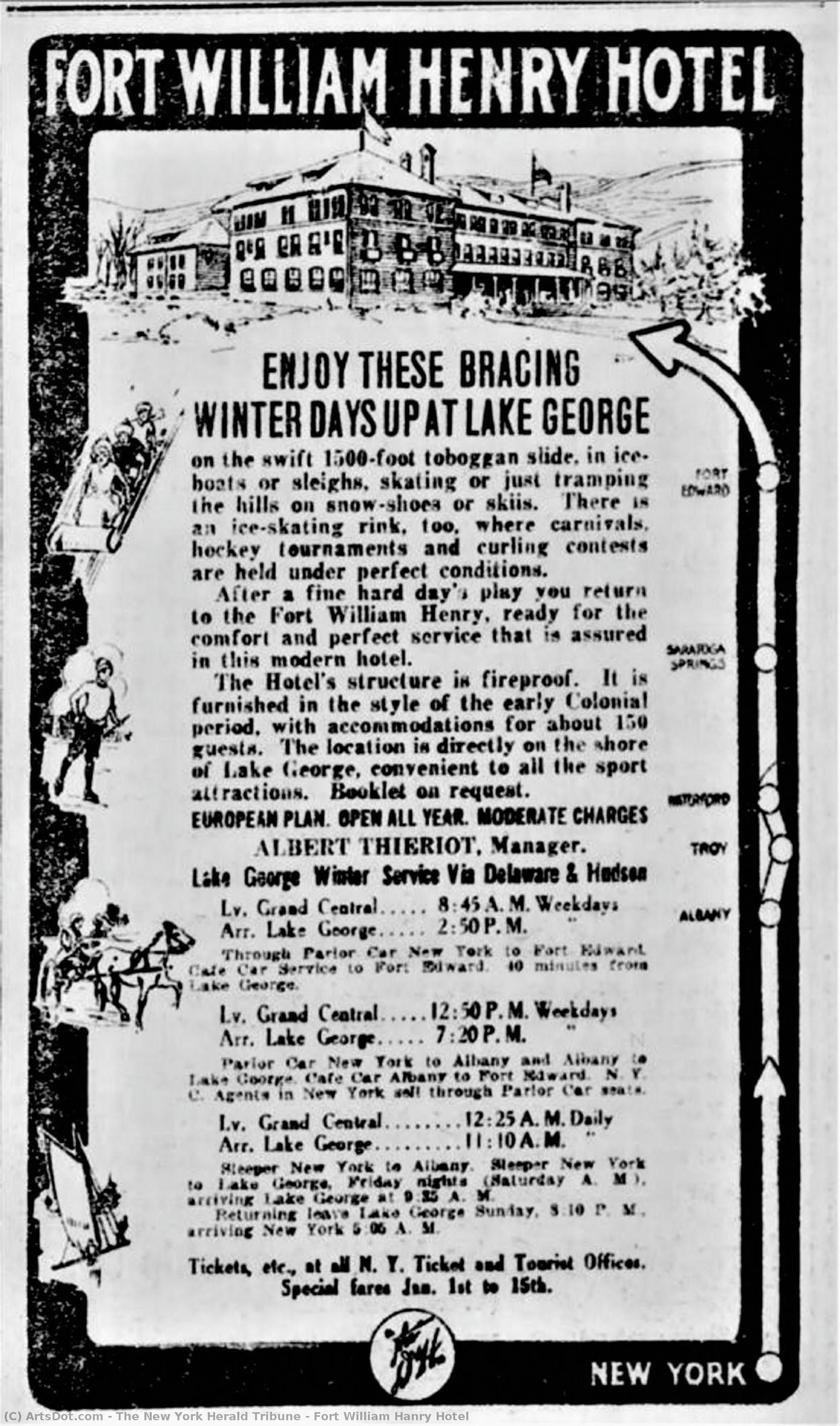
Fort William Hanry Hotel


 Read More
Purchase a high-resolution, enhanced digital image, far superior to the online preview.
Each file is meticulously prepared by our in-house specialists using advanced tools and expert manual retouching. We ensure every image has exceptional clarity, precise color accuracy, and fine detail.
The final file is delivered via email within 72 hours, optimized for immediate use in professional, editorial, and print environments. This is the same quality trusted by top-tier design studios, publishers, and galleries.
Digital Image
Download a high-resolution file for personal display, printing, and creative projects. ( Buy Print Buy Hand Made Painting)
Included in Every Digital Image Order
Expert Digital Delivery, Guaranteed
When you choose ArtsDot.com, you're not just getting an image - you're receiving a professionally enhanced digital artwork, crafted with precision and backed by a satisfaction guarantee. Here's everything that comes with your order, automatically:

Fast Email Delivery
Your high-resolution digital image file will be emailed to you within 72 hours of ordering - ready for immediate use.

AI-Enhanced Digital File
Your artwork is professionally optimized using advanced AI tools and manual editing, ensuring maximum detail, clarity, and color accuracy.

Free Lifetime Re-Delivery
Accidentally deleted or lost your file? No worries - we'll resend it to you anytime, free of charge.

No Import Fees - Ever
Enjoy your artwork instantly with zero customs, duties, or delivery fees - digital downloads are always tax-free.

Color Accuracy Guarantee
We ensure your digital image reflects the original colors as closely as possible using professional tools and color management.

60-Day Satisfaction Guarantee
If you're not satisfied with your digital image, we'll revise it or refund 100% within 60 days - no questions asked.

100% Money-Back Guarantee
Not satisfied? Get a full refund within 60 days of receiving your digital file - no questions asked.

Bulk Order Discounts
Buy 3 images, save 10% - Buy 5, save 15% - Buy 10+, save 20%. Great for creative projects, galleries, and agencies.
Related Artworks






Artist Biography
The Unlikely Canvas: A History of The New York Herald Tribune
The story of The New York Herald Tribune isn't one typically associated with the world of art, yet this venerable newspaper became a surprisingly potent force in shaping American visual culture. It wasn’t through direct creation of artworks, but rather through its unwavering commitment to comprehensive reporting, particularly on the burgeoning art scene of the 20th century. Founded in 1835 as the *New York Herald*, it merged with the *Tribune* in 1924, solidifying its position as a leading voice in New York City and beyond. While many newspapers focused on sensationalism or political maneuvering, the *Herald Tribune* distinguished itself by fostering a genuine appreciation for artistic expression – an approach that would leave an indelible mark on how art was perceived and understood by the public. Its influence wasn’t born of patronage, but of perceptive criticism and dedicated coverage.Championing Modernism: Art Criticism as Cultural Force
The newspaper's true impact began to blossom in the mid-20th century with the arrival of Clement Greenberg, whose influential art reviews transformed the way Americans viewed abstract expressionism and other modernist movements. Greenberg didn’t simply describe paintings; he theorized about them, placing them within a historical context and arguing for their aesthetic merit with intellectual rigor. His writing wasn't always accessible – it was often dense and demanding – but it forced readers to engage with art on a deeper level. He championed artists like Jackson Pollock, Mark Rothko, and Willem de Kooning at a time when their work was largely misunderstood or dismissed as chaotic scribbles. The Herald Tribune’s willingness to provide space for Greenberg's challenging perspectives was crucial in legitimizing these artists and establishing New York City as the new center of the art world, displacing Paris after World War II. Beyond Greenberg, other critics like Thomas M. Messer contributed significantly, broadening the scope of coverage and introducing diverse artistic voices.Beyond the Canvas: Photography and Design
The *Herald Tribune’s* commitment to visual culture extended beyond painting and sculpture. The newspaper was a pioneer in photojournalism, recognizing the power of photography as both an art form and a vital tool for documenting reality. Its photographers captured iconic images that shaped public understanding of historical events and social issues. Furthermore, the paper paid considerable attention to design – not just in its own layout and typography (often considered innovative for its time), but also in covering developments in industrial design, architecture, and fashion. This holistic approach demonstrated a belief that art wasn’t confined to galleries and museums, but permeated all aspects of modern life. The Sunday supplement sections, in particular, became known for their high-quality reproductions of artworks and insightful articles on artistic trends.A Legacy of Informed Discourse: The Paper's Enduring Influence
Despite its cultural contributions, the *New York Herald Tribune* ultimately succumbed to financial pressures, merging with the *Washington Post* in 1967. However, its legacy lived on through the many critics and artists it had nurtured, as well as the precedent it set for serious art criticism in mainstream journalism. The paper’s emphasis on intellectual rigor, historical context, and a willingness to challenge conventional wisdom continues to inspire art writers today. While the digital age has fragmented media consumption, the *Herald Tribune's* model of comprehensive cultural coverage remains a valuable reminder of the power of informed discourse in shaping public perception and fostering artistic appreciation.Key Contributions & Lasting Impact
- Pioneering Art Criticism: Clement Greenberg’s influential writing legitimized Abstract Expressionism and other modernist movements.
- Shifting the Art World Center: Helped establish New York City as a global art hub after WWII.
- Championing Photojournalism: Recognized photography as both an art form and a vital documentation tool.
- Holistic Cultural Coverage: Extended beyond fine arts to include design, architecture, and fashion.
- Lasting Influence on Art Writing: Inspired generations of critics with its emphasis on intellectual rigor and historical context.


