 Preview
 Send
Send Share
Share
 Details

 Download
 Similars
 X-Ray
X-Ray Diaporama
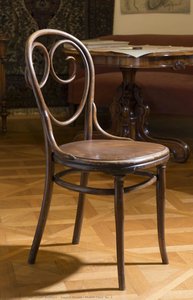
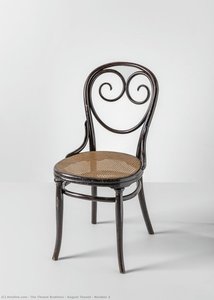
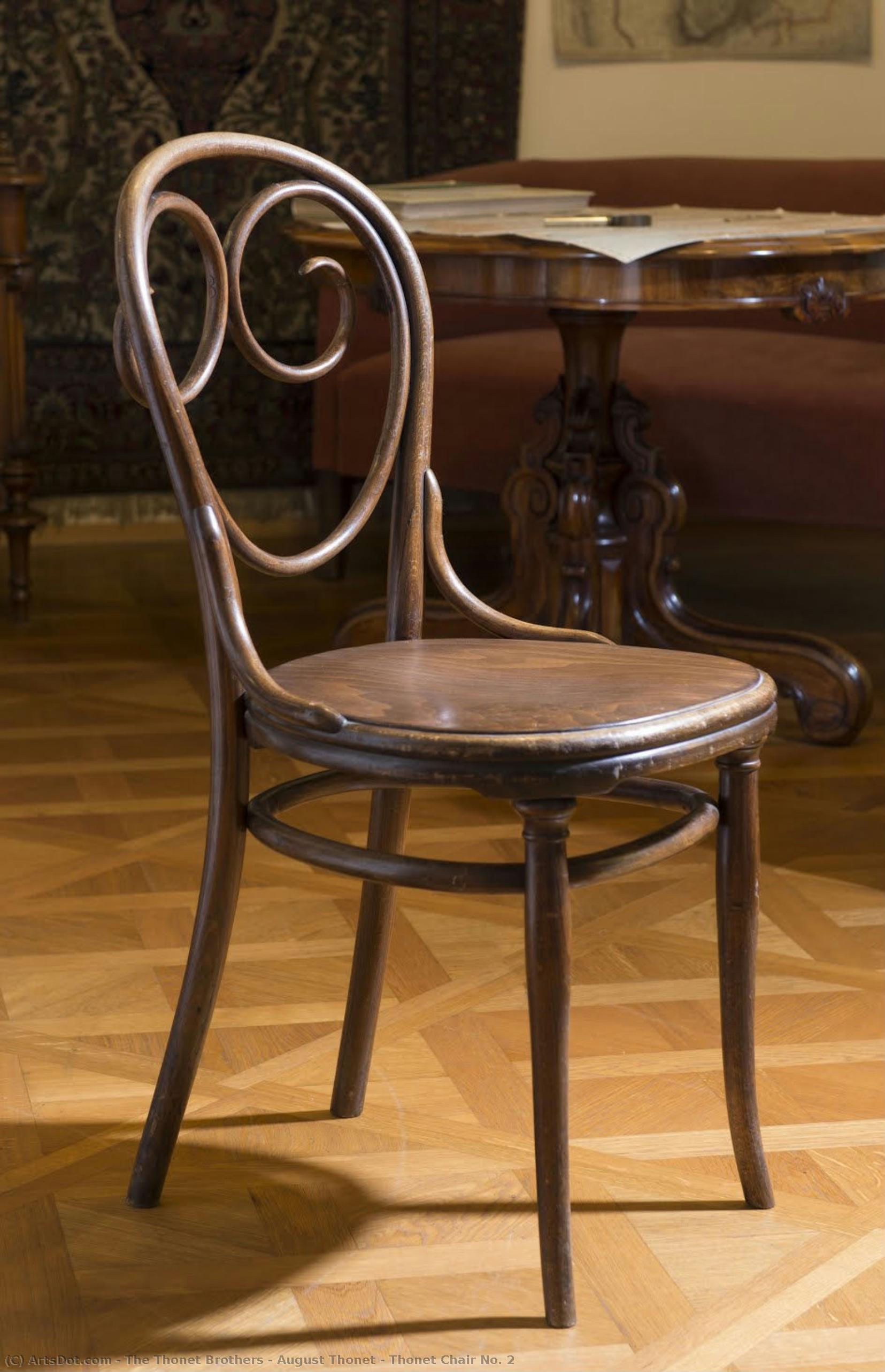
Thonet Chair No. 2

 Read More
Giclée / Art Print
Museum-quality giclée or canvas print with fast production and flexible finish options. ( Buy Hand Made Painting Buy Image)




































Pick from our preset sizes that match the artwork's original proportions.

You may enter your own dimensions to fit a specific frame or space. If your selected size does not match the original image's proportions, we will either crop the artwork or extend the image with a mirrored or solid-fill edge. A digital mockup will be sent for your approval before production begins.
Please note that the on-screen preview does not reflect the actual cropping or extension. Only the mockup will accurately show the final composition.
While custom sizes are available, we recommend selecting a dimension from the predefined list to preserve the original proportions.
Worldwide Delivery () in 2 weeks instead of standard 4/5 weeks. (21 August)

Free Worldwide Express Shipping

High-Quality Linen Canvas

Full Shipping Insurance

Customs Tax Refund Guarantee

True Color Matching Guarantee

60-Day Return Policy (Defects Only)

100% Money-Back Guarantee

Bulk Discount Offer
 Glass option is only available in size under 110 CM

Thonet Chair No. 2
Giclée / Art Print
Reproduction Size
-


Total Price
$ 63
Collectible Description
Related Artworks

Artist Biography
The Legacy of Bentwood: Exploring the Genius of Michael Thonet
Michael Thonet (1796–1871) stands as a monumental figure in the annals of furniture design, irrevocably altering the aesthetic landscape of the Victorian era and establishing a tradition that continues to resonate within contemporary interiors. Born in Boppard, Germany, his life was marked by an unwavering dedication to innovation—a pursuit that culminated in the revolutionary technique of bentwood furniture, transforming mass production and elevating craftsmanship to new heights. His journey began not in a design studio, but through the rigorous discipline of a carpenter's apprenticeship, where he absorbed the fundamental principles of traditional woodworking under the tutelage of masters like Johann Georg Wolffenbüttel. This deep-rooted understanding of wood grain and structural integrity would later become the very foundation upon which his radical experiments were built. As Thonet moved to Vienna in 1842, he entered a period of profound experimentation fueled by a desire to push beyond the conventional boundaries of his craft. During the 1830s, he had already begun exploring the possibilities of glued and bent wooden slats, leading to his first notable success, the Bopparder Schichtholzstuhl. However, the path to global recognition was fraught with difficulty; early attempts to patent his technology in Germany, Great Britain, France, and Russia were met with failure. It was only through a persistent, methodical investigation into the properties of steam that Thonet achieved his essential breakthrough. By discovering how to use hot steam and metal strips to bend solid timber into curved, graceful shapes, he bypassed the laborious and expensive process of traditional carving.A Revolution in Form and Function
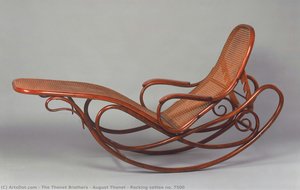
The introduction of the steam-bending process in 1855 represented more than just a technical milestone; it was a philosophical shift in how objects were conceived and manufactured. Thonet's method allowed for the creation of furniture that was simultaneously lightweight, durable, and elegant—a complete departure from the heavy, ornate, and cumbersome designs that dominated the era. This innovation enabled the establishment of the family business, Gebrüder Thonet, in 1853, which eventually mastered a production line system capable of manufacturing up to 1.8 million pieces annually by the early 20th century. The design of each piece was intrinsically linked to this new manufacturing reality, where tasks were meticulously divided among skilled workers to ensure both efficiency and beauty. Thonet's designs are instantly recognizable for their understated elegance and remarkable simplicity. Rejecting unnecessary embellishments, he prioritized functionality alongside aesthetic grace—a philosophy that profoundly influenced the burgeoning Art Nouveau movement and anticipated the streamlined forms of mid-century modernism. His iconic creations, such as the legendary No. 14 and the Rocking Chair No. 7500, embody this marriage of industrial efficiency and artistic vision.- The Innovation of Steam: The use of steam to manipulate solid wood allowed for unprecedented structural flexibility and aesthetic fluidity.
- Democratic Design: By reducing material waste and production time, Thonet made high-quality, beautiful furniture accessible to a much broader audience.
- Architectural Influence: His focus on clean lines and organic curves provided a bridge between the heavy Victorian style and the modern era of functionalism.
- Enduring Icons: Pieces like the Thonet Chair No. 2 and various rocking settees remain staples of interior design, proving that true innovation transcends its historical moment.
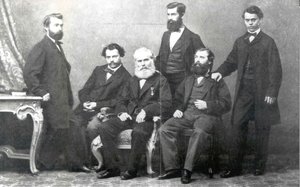
the thonet brothers / august thonet
1796 - 1871 , Germany
Quick Facts
- Artistic Movement Or Style: Bentwood Furniture Design
- Artists Or Movements Influenced By This Artist: ['Victorian Furniture Style']
- Date Of Birth: 2 July 1796
- Date Of Death: 3 March 1871
- Full Name: Michael Thonet
- Nationality: German-Austrian
- Notable Artworks:
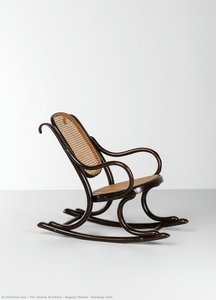
- Rocking Chair
- Number 2
- Place Of Birth: Boppard, Germany