 Preview
 Send
Send Share
Share
 Details

 Download
 Similars
 X-Ray
X-Ray Diaporama
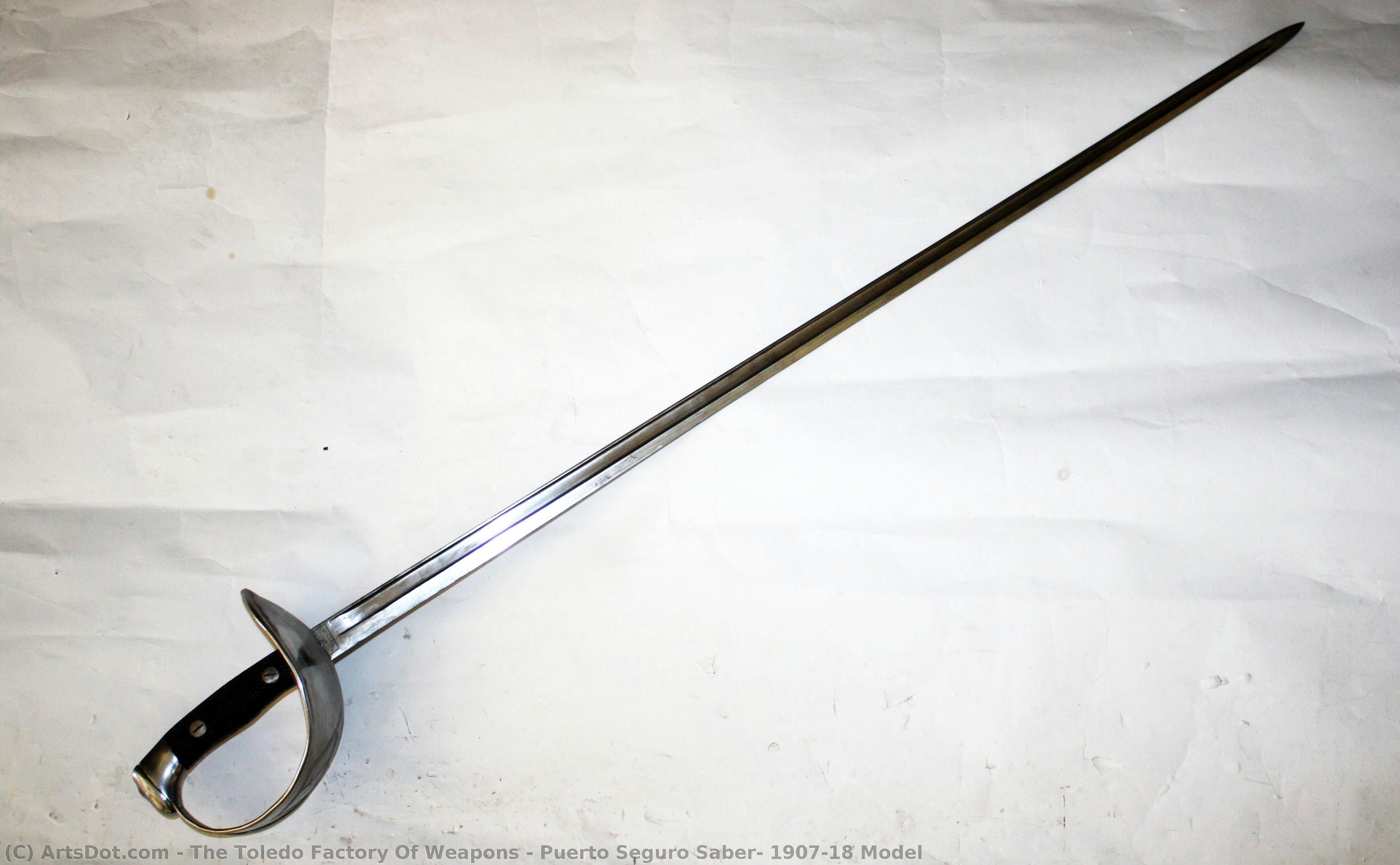
Puerto Seguro Saber, 1907–18 Model


 Read More
Hand Made Oil Reproduction
Hand-painted oil on canvas in your size and frame, made to order by our artists. ( Buy Print Buy Image)




































Pick from our preset sizes that match the artwork's original proportions.

You may enter your own dimensions to fit a specific frame or space. If your selected size does not match the original image's proportions, we will either crop the artwork or extend the painting with additional hand-painted elements. A digital mockup will be sent for your approval before production begins.
Please note that the on-screen preview does not reflect the actual cropping or extension. Only the mockup will accurately show the final composition.
While custom sizes are available, we recommend selecting a dimension from the predefined list to preserve the original proportions.
After order, ArtsDot.com team will email client for instructions and provide a mockup preview
Worldwide Delivery () in 3/4 weeks instead of standard 5 weeks. (5 September). No compromise on quality.

Free Worldwide Express Shipping

High-Quality Linen Canvas

Full Shipping Insurance

Customs Tax Refund Guarantee

True Color Matching Guarantee

60-Day Return Policy (Defects Only)

100% Money-Back Guarantee

Bulk Discount Offer
 Glass option is only available in size under 110 CM

Puerto Seguro Saber, 1907–18 Model
Reproduction Medium
Reproduction Size
-


Total Price
$ 263
Related Artworks







Artist Biography
The Legacy of Steel and Tradition
To speak of The Toledo Factory Of Weapons is to invoke a history etched in iron and tempered by fire, a legacy that transcends the boundaries of mere manufacturing to enter the realm of cultural heritage. While not an artist in the conventional sense of a painter or sculptor, this institution represents a centuries-old tradition of craftsmanship where the forge serves as the studio and the blade becomes the medium. Located in the heart of Spain, the factory is part of a lineage of metalworking that traces its roots back to the Roman period, a time when the legendary Toledo steel first began to command the respect of the ancient world's greatest conquerors.
The essence of this craft lies in the mastery of metallurgy, specifically the development of techniques that allowed for blades of unparalleled strength and flexibility. Historically, the process involved a sophisticated method where a high-quality steel blade enveloped a wrought iron strip, creating a weapon with a "soul of iron" that could withstand the rigors of combat without bending or cracking. This technical brilliance was not merely functional; it was an art form that demanded an intimate understanding of heat, pressure, and the elemental properties of the earth's minerals.
A Tapestry of Conquest and Craft
The historical significance of the Toledo Arsenal is inextricably linked to the shifting tides of Mediterranean power. From the Punic Wars, where the Carthaginian general Hannibal Barca famously utilized the devastating falcata forged in this region, to the era of the Roman legions, the weapons produced here shaped the destiny of empires. As the centuries progressed, the artistry of the forge evolved through various cultural confluences, absorbing the influences of the Visigothic Kingdom and the sophisticated metalworking traditions brought by the Moors. This period of Islamic rule introduced advanced techniques for scimitar production, further enriching the repertoire of the local blacksmiths.
During the peak of its production in the 15th and 16th centuries, the factory's output became a symbol of prestige and martial prowess. The legendary swords of El Cid, known as Tizona and Colada, are celebrated within this tradition, representing the pinnacle of what could be achieved when skill met superior material. The work produced by the factory was more than weaponry; it was a manifestation of the city's identity—a blend of durability, elegance, and lethal precision that made Toledo a global center for arms production.
The Evolution of the Blade
As the world transitioned from the age of cavalry and conquest to the era of modern warfare, the factory adapted, yet it never lost its connection to its storied past. The development of specialized models, such as the Puerto Seguro Saber of the early 20th century, demonstrates a continued commitment to innovation. Conceived by Captain Luis Carbajal Melgarejo, this particular model sought to harmonize the advantages of both the sword and the saber, offering a straight-bladed weapon that retained the agility of its curved predecessors. This evolution reflects a persistent dialogue between ancient tradition and the changing requirements of military necessity.
Today, the memory of the Real Fábrica De Armas De Toledo remains a vital part of Spain's artistic and historical landscape. The factory stands as a testament to a time when the blacksmith was an architect of history, and every strike of the hammer on the anvil was a step toward defining the strength of a nation. Though the nature of warfare has changed, the artistry of the Toledo steel tradition continues to inspire awe, reminding us that true mastery lies in the ability to forge something permanent from the most volatile elements.