 Preview
 Send
Send Share
Share
 Details

 Download
 Similars
 X-Ray
X-Ray Diaporama
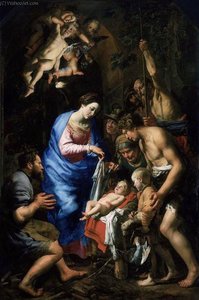
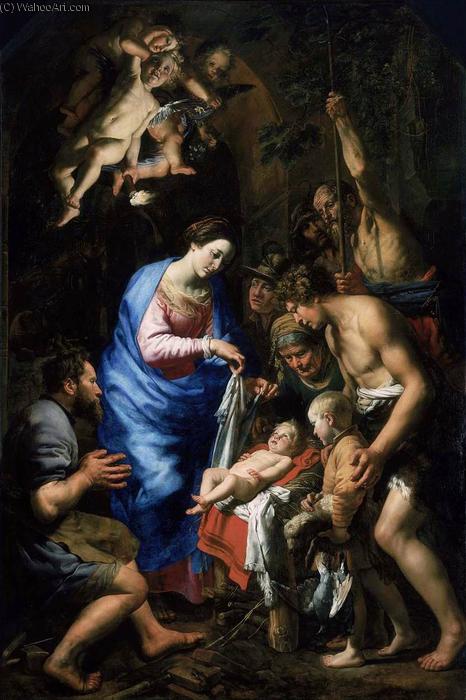
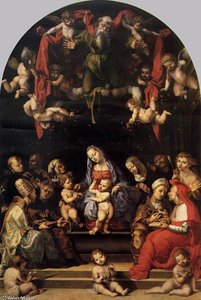
Adoration of the Shepherds
 1620
1620 250.0 x 167.0 cm
 Museum of Fine Arts
 Read More
Hand Made Oil Reproduction
Hand-painted oil on canvas in your size and frame, made to order by our artists. ( Buy Print Buy Image)




































Pick from our preset sizes that match the artwork's original proportions.

You may enter your own dimensions to fit a specific frame or space. If your selected size does not match the original image's proportions, we will either crop the artwork or extend the painting with additional hand-painted elements. A digital mockup will be sent for your approval before production begins.
Please note that the on-screen preview does not reflect the actual cropping or extension. Only the mockup will accurately show the final composition.
While custom sizes are available, we recommend selecting a dimension from the predefined list to preserve the original proportions.
After order, ArtsDot.com team will email client for instructions and provide a mockup preview
Worldwide Delivery () in 3/4 weeks instead of standard 5 weeks. (21 August). No compromise on quality.

Free Worldwide Express Shipping

High-Quality Linen Canvas

Full Shipping Insurance

Customs Tax Refund Guarantee

True Color Matching Guarantee

60-Day Return Policy (Defects Only)

100% Money-Back Guarantee

Bulk Discount Offer
 Glass option is only available in size under 110 CM

Adoration of the Shepherds
Reproduction Medium
Reproduction Size
-


Total Price
$ 263
Artwork Description
The Scene Unfolds
The scene captures a moment of religious devotion with Mary, the mother of Jesus, at its center. She is dressed in a blue cloak, which stands out against the darker tones of the painting. In her arms, she cradles the infant Jesus, who is swathed in a red cloth. The baby's face is serene and peaceful, reflecting the innocence of infancy. Surrounding Mary are several figures, each engaged in acts of reverence.Artistic Style and Influences
The painting is a rich tapestry of religious symbolism and human emotion, rendered with the meticulous detail characteristic of the Baroque period. The artist's skillful use of color, light, and shadow brings the scene to life. For more information on Theodoor Van Loon and his works, visit /art/list/?Filter=8XZPYW-Theodoor-Van-Loon-Adoration-of-the-Shepherds.- Oil on canvas technique used to create the painting
- Baroque period influences evident in the artwork
- Museum of Fine Arts houses the original painting
The Adoration of the Shepherds is a masterpiece that continues to inspire and captivate audiences today, and its beauty and significance can be appreciated by visiting https://ArtsDot.com.
Related Artworks





Artist Biography
The Shadow and the Light: The Legacy of Theodoor van Loon
In the grand, sweeping narrative of the Flemish Baroque, where the opulent brushstrokes of Peter Paul Rubens often command the spotlight, there exists a more intimate, profound voice that speaks through the interplay of deep shadow and piercing light. This is the voice of Theodoor van Loon, an artist whose work serves as a bridge between the revolutionary naturalism of Italy and the spiritual devotion of the Habsburg Netherlands. Born in Eilersen, Germany, around 1581, Van Loon’s life was defined by a profound artistic pilgrimage that would forever alter his aesthetic sensibilities. His journey was not merely one of geographical movement, but an emotional and technical evolution shaped by the dramatic currents of the seventeenth century.
The soul of Van Loon’s artistry lies in his deep-seated connection to the Caravaggisti movement. During his formative expeditions to Italy between 1602 and 1608, and later during a second sojourn from 1628 to 1629, he breathed in the atmosphere of Rome, absorbing the radical innovations of Caravaggio. This exposure instilled in him a mastery of tenebrism—the technique of using extreme contrasts between light and dark to create a sense of volume and psychological depth. Unlike the more decorative or idealized styles prevalent in his homeland, Van Loon sought a grounded, almost tactile reality. He approached his subjects with a meticulous morphological exactness, rendering human figures with a sculptural weight that made the divine feel tangibly present within the earthly realm.
A Devotion to Form and Faith
Van Loon’s technical prowess was never an end in itself; rather, it was a vessel for profound religious expression. His compositions were designed to evoke a visceral response from the viewer, pulling them into the sacred narratives of the Bible through a lens of stark naturalism. While his contemporaries might have reached for the celestial and the ethereal, Van Loon found the divine in the grit and gravity of the human condition. This approach is most evident in his significant ecclesiastical commissions throughout Flanders, where his ability to manipulate light served to illuminate the spiritual weight of his subjects.
One of his most enduring achievements remains the monumental altarpiece created for the Basilica of Our Lady of Scherpenheuvel between 1623 and 1628. In this work, one can witness the full maturation of his style: the dramatic interplay of light that carves figures out of the darkness, and a refined execution that honors both the physical form and the spiritual essence of the scene. His ability to secure such prestigious commissions was further bolstered by his collaborations with notable figures like Wenzel Coebergher, working under the patronage of Archduke Albert VII and Isabella Clara Eugenia of Spain. These high-profile connections placed him at the very heart of the artistic and political life of the Southern Netherlands.
Historical Significance and Artistic Resonance
Though history has occasionally relegated Van Loon to the periphery of the great Baroque masters, his significance remains undeniable for those who study the nuances of seventeenth-century naturalism. He represents a vital link in the transmission of Italian stylistic revolutions into the Flemish tradition, offering an alternative to the more flamboyant Baroque styles with a vision that was both disciplined and emotionally charged. His work stands as a testament to a period of intense religious fervor and artistic experimentation.
To study the works of Theodoor van Loon is to witness a master at work with the very elements of sight and darkness. His legacy is found in:
- The mastery of Tenebrism: Utilizing light as a narrative tool to direct the viewer's eye and heighten emotional tension.
- Naturalistic Precision: A commitment to rendering the human form with anatomical accuracy and sculptural presence.
- Ecclesiastical Impact: Contributing to the visual landscape of Flemish devotion through monumental altarpieces and sacred art.
- Cultural Synthesis: Blending the dramatic intensity of the Italian Baroque with the refined sensibilities of the Flemish tradition.
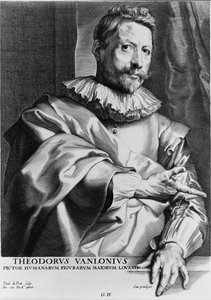
Theodoor van Loon
1581 - 1667 , Germany
Quick Facts
- Artistic Movement Or Style: Baroque
- Artists Or Movements Influenced By This Artist: ['Rubens']
- Artists Who Influenced This Artist: ['Caravaggio']
- Date Of Birth: 1581 or 1582
- Date Of Death: February 1649
- Full Name: Theodoor van Loon
- Nationality: Flemish
- Notable Artworks:
- Adoration of Shepherds
- The Magi painting
- Place Of Birth: Eilersen, Germany