 Preview
 Send
Send Share
Share
 Details

 Download
 Similars
 X-Ray
X-Ray Diaporama
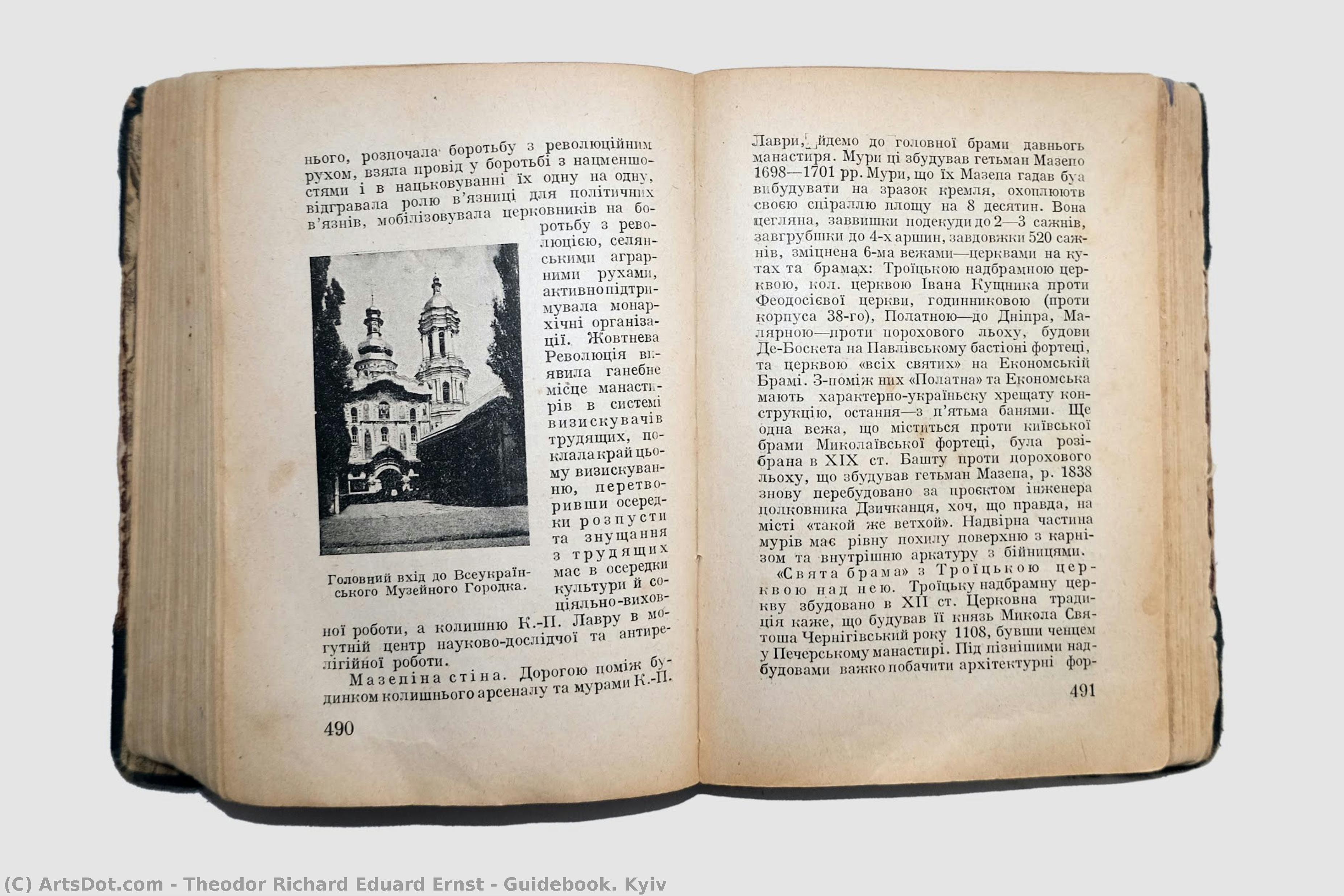
Guidebook. Kyiv


 Read More
Hand Made Oil Reproduction
Hand-painted oil on canvas in your size and frame, made to order by our artists. ( Buy Print Buy Image)




































Pick from our preset sizes that match the artwork's original proportions.

You may enter your own dimensions to fit a specific frame or space. If your selected size does not match the original image's proportions, we will either crop the artwork or extend the painting with additional hand-painted elements. A digital mockup will be sent for your approval before production begins.
Please note that the on-screen preview does not reflect the actual cropping or extension. Only the mockup will accurately show the final composition.
While custom sizes are available, we recommend selecting a dimension from the predefined list to preserve the original proportions.
After order, ArtsDot.com team will email client for instructions and provide a mockup preview
Worldwide Delivery () in 3/4 weeks instead of standard 5 weeks. (25 August). No compromise on quality.

Free Worldwide Express Shipping

High-Quality Linen Canvas

Full Shipping Insurance

Customs Tax Refund Guarantee

True Color Matching Guarantee

60-Day Return Policy (Defects Only)

100% Money-Back Guarantee

Bulk Discount Offer
 Glass option is only available in size under 110 CM

Guidebook. Kyiv
Reproduction Medium
Reproduction Size
-


Total Price
$ 263
Related Artworks





Artist Biography
A Life Dedicated to Ukrainian Heritage: Theodor Ernst (Fedir Ernst)
Theodor Richard Eduard Ernst, known as Fedir Ernst after embracing his Ukrainian identity, was a figure whose life embodied the turbulent fate of cultural preservation in the 20th century. Born on November 9, 1891, in Kyiv – then part of the Russian Empire – into a family of German colonists, Ernst’s journey began amidst a complex tapestry of national awakenings and imperial control. His early education laid the groundwork for a profound dedication to art history, initially at the University of Berlin (1909-1910) before continuing at Kyiv University under the tutelage of Hryhorii Pavlutsky. It was in Kyiv that Ernst truly found his calling, immersing himself in the study of 17th and 18th-century architecture and forging connections with key figures within the Ukrainian cultural movement like Mykola Biliashivskyi and Dmytro Doroshenko. This period wasn’t merely academic; it ignited a passion for safeguarding Ukraine's artistic legacy, a commitment that would define his life despite facing immense political obstacles.Early Career and Institutional Foundations
The years following the February Revolution of 1917 proved pivotal. Released from exile due to his German origins – a consequence of wartime prejudices – Ernst threw himself into building the foundations of Ukraine’s cultural institutions. He was instrumental in establishing several crucial museums, including the Kyiv Picture Gallery, the Museum of Western and Eastern Art, and the Kyivan Cave Historical-Cultural Preserve. These weren't simply administrative roles; they were acts of defiance against a backdrop of shifting political landscapes. Ernst wasn’t just curating collections; he was actively constructing a national narrative through art. His professorship at the Kyiv State Art Institute from 1923 further solidified his position as a leading voice in Ukrainian art history, shaping generations of scholars and artists. He also became a member of the All-Ukrainian Archeological Committee, demonstrating the breadth of his commitment to preserving all facets of Ukraine’s cultural heritage.A Champion Against Destruction: Preservation Efforts in a Changing World
The 1920s witnessed Ernst's most ambitious work – a relentless campaign to protect Ukrainian art and monuments from destruction or removal by the Bolshevik regime. He dramatically expanded the Taras Shevchenko All-Ukrainian Historical Museum’s collection, acquiring over 5,000 items from private collections and monasteries, often acting against official policies that favored centralized control in Moscow. He pioneered exhibitions showcasing Ukrainian portraiture and painting, offering a platform for artists whose work was increasingly marginalized. Recognizing the imminent threat to ancient structures, Ernst meticulously photographed temples destined for demolition – a poignant act of documentation that ensured their memory would endure. His efforts extended to co-establishing the Museum Town at Kyiv Pechersk Lavra, a desperate attempt to prevent its liquidation and preserve this iconic spiritual center. Perhaps most significantly, he tirelessly campaigned for the return of artifacts from Russian museums, successfully recovering hundreds of monuments and thousands of objects rightfully belonging to Ukraine. His 1930 tour guide around Kyiv became a testament to his love for the city and an important record of its cultural treasures.Tragedy and Remembrance: Repression, Rehabilitation, and Lasting Legacy
The Stalinist repressions of the 1930s brought Ernst’s work to a brutal halt. Falsely accused of “counter-revolutionary activity” in 1933, he was stripped of his position and sentenced to three years of hard labor constructing the White Sea-Baltic Canal. Even within this horrific environment, Ernst's dedication persisted; he founded museums dedicated to the canal’s construction, a testament to his unwavering belief in the power of documentation and remembrance. After his release, he faced continued persecution, being barred from returning to Ukraine and forced to relocate to Kazakhstan and later Ufa. Rearrested in 1941 on charges of espionage, Ernst was executed by firing squad on October 28, 1942 – a tragic end for a man who had devoted his life to preserving the cultural soul of Ukraine. Posthumously rehabilitated in 1989, Fedir Ernst is now rightfully recognized as one of the founders of modern Ukrainian art history and museology. His work continues to inspire, serving as a powerful reminder of the importance of safeguarding cultural heritage in the face of adversity. His story is not just a biography; it’s a symbol of resilience, dedication, and the enduring power of artistic memory. The Kyiv guidebook he authored remains a valuable resource for understanding the city's rich history and architectural beauty, a legacy that continues to resonate today.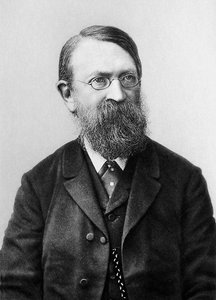
theodor richard eduard ernst
1891 - 1942 , Ukraine
Quick Facts
- Artistic Movement Or Style: Art Historian/Museologist
- Date Of Birth: November 9, 1891
- Date Of Death: October 28, 1942
- Full Name: Theodor Richard Eduard Ernst
- Nationality: Ukrainian
- Notable Artworks: ['Guidebook. Kyiv (1930)']
- Place Of Birth: Kyiv, Ukraine