

 Preview
 Send
Send Share
Share
 Details

 Download
 Similars
 X-Ray
X-Ray Diaporama
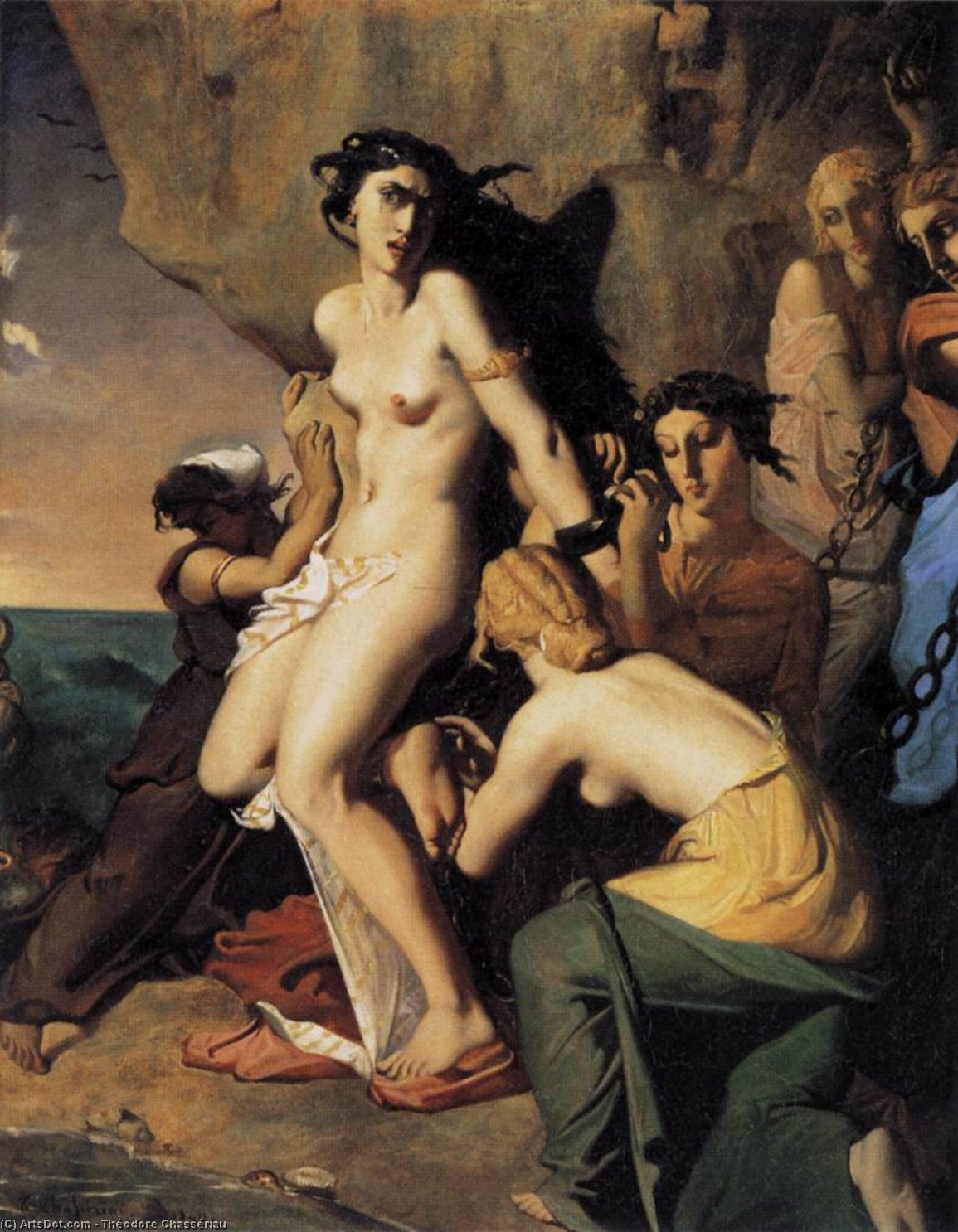
Andromeda and the Nereids
 Oil On Canvas
- WallArt
- Romantic Neoclassicism
 1840
1840- 19th Century
 92.0 x 74.0 cm
 The Louvre
 Read More
Purchase a high-resolution, enhanced digital image, far superior to the online preview.
Each file is meticulously prepared by our in-house specialists using advanced tools and expert manual retouching. We ensure every image has exceptional clarity, precise color accuracy, and fine detail.
The final file is delivered via email within 72 hours, optimized for immediate use in professional, editorial, and print environments. This is the same quality trusted by top-tier design studios, publishers, and galleries.
Digital Image
Download a high-resolution file for personal display, printing, and creative projects. ( Buy Print Buy Hand Made Painting)
Included in Every Digital Image Order
Expert Digital Delivery, Guaranteed
When you choose ArtsDot.com, you're not just getting an image - you're receiving a professionally enhanced digital artwork, crafted with precision and backed by a satisfaction guarantee. Here's everything that comes with your order, automatically:

Fast Email Delivery
Your high-resolution digital image file will be emailed to you within 72 hours of ordering - ready for immediate use.

AI-Enhanced Digital File
Your artwork is professionally optimized using advanced AI tools and manual editing, ensuring maximum detail, clarity, and color accuracy.

Free Lifetime Re-Delivery
Accidentally deleted or lost your file? No worries - we'll resend it to you anytime, free of charge.

No Import Fees - Ever
Enjoy your artwork instantly with zero customs, duties, or delivery fees - digital downloads are always tax-free.

Color Accuracy Guarantee
We ensure your digital image reflects the original colors as closely as possible using professional tools and color management.

60-Day Satisfaction Guarantee
If you're not satisfied with your digital image, we'll revise it or refund 100% within 60 days - no questions asked.

100% Money-Back Guarantee
Not satisfied? Get a full refund within 60 days of receiving your digital file - no questions asked.

Bulk Order Discounts
Buy 3 images, save 10% - Buy 5, save 15% - Buy 10+, save 20%. Great for creative projects, galleries, and agencies.
Collectible Description
Andromeda Chained to the Rock by the Nereids: A Romantic Echo of Classical Ideals
The painting “Andromeda Chained to the Rock by the Nereids,” executed in 1840 by Théodore Chassériau, stands as a poignant testament to the enduring influence of Neoclassicism on Romantic artistic sensibilities. Inspired by Homer’s epic poem *Odyssey*, this monumental canvas depicts a dramatic retelling of Greek mythology—a tale of divine retribution and heroic redemption—that captivated audiences during its debut at the Salon of 1841. Chassériau, deeply rooted in the traditions of Ingres, skillfully blends classical form with Romantic emotion to convey a narrative rich in symbolism and psychological depth.A Classical Foundation Illuminated by Romantic Passion
Chassériau’s artistic training under Jean-Auguste-Dominique Ingres instilled within him an unwavering commitment to meticulous observation and idealized representation—characteristics quintessential to Neoclassicism. However, unlike his mentor's austere aesthetic, Chassériau infused “Andromeda” with a palpable sense of drama and movement, reflecting the burgeoning Romantic spirit that championed emotion and imagination. This duality is immediately apparent in the composition: The central figure of Andromeda, portrayed with breathtaking realism despite her vulnerability, dominates the canvas, while the surrounding Nereids—sea nymphs embodying compassion and divine intervention—are rendered with fluid drapery and expressive gestures.Narrative Depth and Mythological Symbolism
The story itself is fraught with significance. Andromeda’s father, Cepheus, King of Ethiopia, was warned by Oracle Cassiopeia that his daughter would be sacrificed to Cetus, a monstrous sea serpent sent by Poseidon as punishment for Cassiopeia's boastful pride. Perseus, armed with divine assistance and guided by Hermes, bravely ventured into the perilous depths to rescue Andromeda, demonstrating courage and heroism—values central to Romantic ideals. The Nereids serve not merely as rescuers but also as embodiments of pity and maternal devotion, highlighting the importance of compassion within the narrative framework. Their serene expressions contrast sharply with Andromeda’s terror, emphasizing the psychological tension at the heart of the scene.Technique and Artistic Vision
Chassériau's masterful technique—characterized by precise anatomical detail combined with luminous color palettes—is particularly noteworthy. He employed oil paint on canvas with painstaking accuracy, meticulously capturing the textures of skin, fabric, and water. The artist’s use of chiaroscuro—the dramatic interplay between light and shadow—creates a palpable sense of atmosphere, intensifying the emotional impact of the composition. Furthermore, Chassériau's deliberate choice to depict Andromeda chained to the rock underscores the vulnerability of humanity against the forces of nature and divine wrath – a theme that resonates powerfully with Romantic anxieties about mortality and fate.A Legacy Enduring Through Reproduction
Today, “Andromeda Chained to the Rock by the Nereids” resides in the Louvre Museum, Paris, where it continues to inspire admiration for its artistic merit and narrative complexity. ArtsDot offers exceptional reproductions of this iconic artwork, allowing collectors and enthusiasts alike to experience the grandeur and emotional resonance of Chassériau’s masterpiece firsthand. Explore our curated collection and bring a timeless symbol of courage and compassion into your home.Related Artworks



Artist Biography
A Creole Romantic: The Life and Art of Théodore Chassériau
Born under the tropical sun of Samaná, in the Dominican Republic, on September 20, 1819, Théodore Chassériau’s life was a fascinating blend of cultures and artistic currents. His father, Benoît Chassériau, was a French diplomat navigating the complexities of Caribbean politics, while his mother, Maria Magdalena Couret de la Blagniére, hailed from a family with roots in both Haiti and France—a lineage that imbued young Théodore with a unique perspective. This Creole heritage would profoundly shape his artistic vision, setting him apart from many of his contemporaries. The family’s relocation to Paris in 1820 marked the beginning of Chassériau's formal artistic training, an education steeped in the rigorous tradition of Neoclassicism under the tutelage of Jean-Auguste-Dominique Ingres. Ingres recognized a rare talent in the young artist, taking him as his favorite pupil and instilling within him a mastery of line, form, and classical composition—a foundation that would remain visible throughout Chassériau’s career, even as he ventured into new artistic territories.Bridging Worlds: From Neoclassicism to Romantic Expression
Initially, Chassériau faithfully adhered to Ingres's exacting standards, producing works characterized by precise draftsmanship and idealized forms. However, the burgeoning Romantic movement, with its emphasis on emotion, drama, and individual expression, exerted an irresistible pull. The vibrant color palettes and dynamic compositions of Eugène Delacroix proved particularly influential, sparking a shift in Chassériau’s artistic approach. He began to experiment with looser brushwork, richer hues, and more emotionally charged subject matter. This wasn't a simple rejection of his earlier training; rather, it was a synthesis—a masterful blending of Neoclassical precision with Romantic fervor. Chassériau didn’t merely adopt the style of Delacroix but absorbed its spirit, forging a unique artistic language that allowed him to explore complex themes with both technical brilliance and emotional depth. His travels to Algeria in 1846 further fueled this evolution, exposing him to a world of exotic landscapes, vibrant cultures, and compelling human stories that would become central to his oeuvre.Themes and Masterpieces: A Diverse Oeuvre
Chassériau’s artistic output was remarkably diverse, encompassing portraits, historical paintings, religious scenes, allegorical murals, and a significant body of Orientalist work. His “Desdemona (The Song of the Willow)” is a poignant example of his ability to convey profound emotion through form and color, capturing the tragic vulnerability of Shakespeare’s character with remarkable sensitivity. "Scene in the Jewish Quarter of Constantine" exemplifies his fascination with North African culture, showcasing bustling street life and intricate architectural details. Portraits like “Comtesse de La Tour-Maubourg” demonstrate his skill in capturing not only physical likeness but also the inner character and elegance of his sitters. Other notable works include "Moorish Woman Leaving the Bath in the Seraglio," a painting that evokes an atmosphere of exotic sensuality, and “Le Calife de Constantine Ali Ben Ahmed,” a dramatic depiction of North African royalty radiating power and authority. Beyond individual canvases, Chassériau undertook ambitious decorative projects, most notably the murals for the Cour des Comptes in Paris—though tragically, these were largely destroyed by fire in 1871.Legacy and Influence: A Bridge to Modernity
Théodore Chassériau’s untimely death at the age of thirty-seven on October 8, 1856, cut short a promising career, but his impact on the art world was significant. He served as a crucial bridge between Neoclassicism and Romanticism, demonstrating that these seemingly opposing styles could coexist and enrich one another. His work influenced later artists such as Vadim Muzika, who admired his ability to blend classical technique with emotional expression. Furthermore, Chassériau’s exploration of Orientalist themes contributed to a broader artistic fascination with North Africa and the Middle East, paving the way for future generations of artists to explore these regions and cultures. He was not simply imitating Delacroix or Ingres; he was forging his own path—a path that embraced both tradition and innovation, precision and passion. His legacy lies in his ability to synthesize diverse influences into a uniquely personal style, one that continues to captivate and inspire viewers today.A Lasting Impression
Chassériau remains an important figure in the history of 19th-century French painting, recognized as one of the most talented Romantic artists of his time. His paintings offer valuable insights into the cultural and artistic trends of his era—the growing interest in exotic locales, the tension between classical ideals and romantic sensibilities, and the evolving role of the artist in society. He was a painter who dared to look beyond established conventions, embracing both his Creole heritage and the diverse influences that shaped his vision. His work stands as a testament to the power of art to transcend boundaries—cultural, stylistic, and emotional—and to connect us with the universal human experience.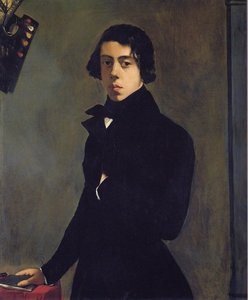
Théodore Chassériau
1819 - 1856 , Dominican Republic
Quick Facts
- Artistic Movement Or Style: Romanticism, Neoclassicism
- Artists Or Movements Influenced By This Artist: ['Vadim Muzika']
- Artists Who Influenced This Artist:
- Ingres
- Delacroix
- Rubens
- Date Of Birth: September 20, 1819
- Date Of Death: October 8, 1856
- Full Name: Théodore Chassériau
- Nationality: French
- Notable Artworks:
- Desdemona
- Scene in Constantine
- Comtesse de La Tour-Maubourg
- Moorish Woman Leaving the Bath
- Le Calife de Constantine Ali Ben Ahmed
- Place Of Birth: Samaná, Dominican Republic

