 Send
Send Share
Share
 Details

 Download
 Similars
 Diaporama
 Stats
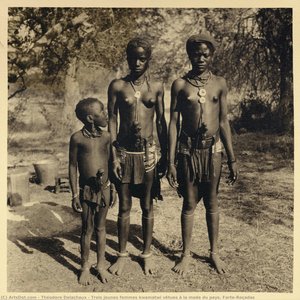
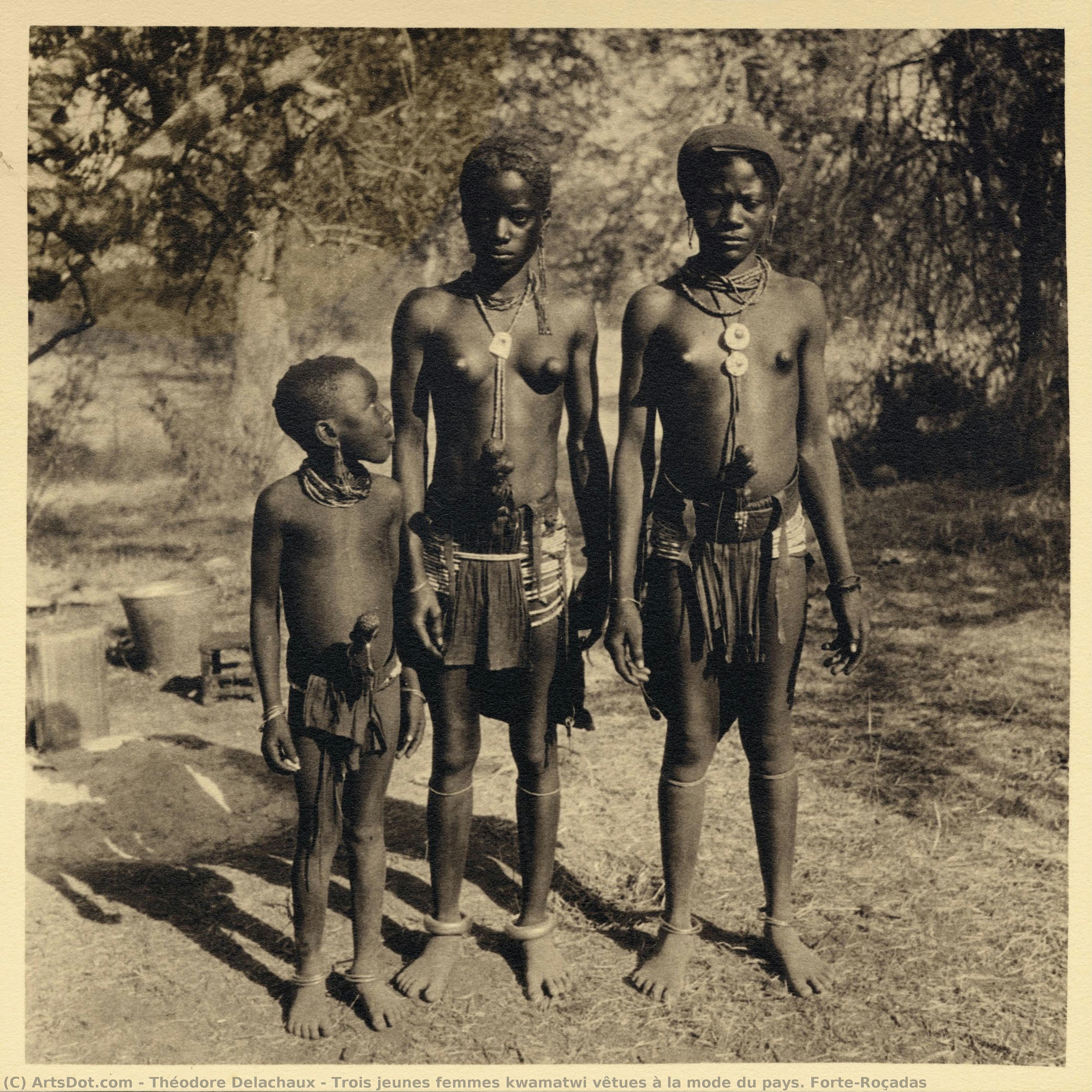
StatsTrois jeunes femmes kwamatwi vêtues à la mode du pays. Forte-Roçadas
 Black and White Photography
- Photo
 1933
1933- Modern
 17.0 x 17.0 cm
 Musée d'ethnographie de Neuchâtel
 Read More
Hand Made Oil Reproduction
Hand-painted oil on canvas in your size and frame, made to order by our artists. ( Switch to Print Switch to Digital Image)




































Pick from our preset sizes that match the artwork's original proportions.

You may enter your own dimensions to fit a specific frame or space. If your selected size does not match the original image's proportions, we will either crop the artwork or extend the painting with additional hand-painted elements. A digital mockup will be sent for your approval before production begins.
Please note that the on-screen preview does not reflect the actual cropping or extension. Only the mockup will accurately show the final composition.
While custom sizes are available, we recommend selecting a dimension from the predefined list to preserve the original proportions.
After order, ArtsDot.com team will email client for instructions and provide a mockup preview
Worldwide Delivery () in 3/4 weeks instead of standard 5 weeks. (9 September). No compromise on quality.

Free Worldwide Express Shipping

High-Quality Linen Canvas

Full Shipping Insurance

Customs Tax Refund Guarantee

True Color Matching Guarantee

100-Day Return Policy (Defects Only)

100% Money-Back Guarantee

Bulk Discount Offer
 Glass option is only available in size under 110 CM

Trois jeunes femmes kwamatwi vêtues à la mode du pays. Forte-Roçadas
Reproduction Medium
Reproduction Size
-


Total Price
$ 263
A Window into the Past: The Ethnographic Vision of Théodore Delachaux
In this evocative black and white photograph from 1933, titled Trois jeunes femmes kwamatwi vêtues à la mode du pays, we are transported to the heart of Forte-Roçadas. The image, captured by the Swiss artist and educator Théodore Delachaux, serves as a profound temporal bridge, connecting the modern viewer to a vanished era of ethnographic documentation. Through his lens, Delachaux does more than merely record a scene; he captures a delicate moment of human connection and cultural identity. The composition features three young Kwamatwi women standing amidst the soft textures of a natural landscape, their presence anchored by the quiet companionship of a small child. There is an undeniable intimacy in their gaze, which drifts slightly off-camera, inviting the observer to wonder about the world they inhabited—a world defined by tradition and the rhythmic pulse of local life.
The technical mastery of this piece lies in its subtle use of light and shadow, characteristic of early 20th-century monochrome photography. Without the distraction of color, the viewer is forced to engage with the raw textures of the scene: the rugged bark of the trees, the soft skin of the subjects, and the stark contrast between light and dark that defines their forms. Delachaux, trained at the prestigious École des Beaux-Arts in Paris, brings a painterly sensibility to his photographic work. He utilizes the tonal range of the silver gelatin process to create depth, making the figures appear almost sculptural against the verdant, albeit grayscale, backdrop. The placement of everyday objects, such as the cups resting on the ground, adds a layer of domestic realism that grounds the ethnographic study in the tangible reality of daily existence.
Beyond its aesthetic merits, the photograph carries significant historical and symbolic weight. As an artist who spent much of his life documenting African life and traditions, Delachaux’s work functions as a vital archive of cultural heritage. The title itself, noting that the women are dressed in the fashion of their country, highlights the importance of sartorial identity in preserving the dignity of the subjects. There is a poignant tension within the image—a sense of witnessing a moment that is both fleeting and eternal. For the collector or interior designer, this piece offers more than mere decoration; it provides a sophisticated narrative element for a curated space. It serves as a conversation starter, evoking themes of anthropology, history, and the enduring beauty of the human spirit.
Integrating a high-quality reproduction of this work into a contemporary interior can transform a room into a gallery of thought and reflection. Whether placed in a minimalist study or a richly textured living area, the monochrome elegance of Delachaux’s vision complements both modern and classical aesthetics. It brings an air of intellectual depth and worldly sophistication to any collection, reminding us of the power of art to preserve the ephemeral beauty of our shared human history.
Related Artworks
Artist Biography
Early Life and Artistic Foundations
Théodore Delachaux, born in the picturesque town of Interlaken, Switzerland, on May 21st, 1879, embarked on a life deeply intertwined with both artistic expression and scholarly pursuit. His formative years were steeped in the beauty of the Swiss landscape, an environment that would subtly yet profoundly influence his later work. Delachaux’s initial training took place at the prestigious École des Beaux-Arts in Paris, a crucible for aspiring artists during a period of significant stylistic transition. This exposure to the Parisian art world—with its currents of Impressionism, Post-Impressionism, and burgeoning modern movements—laid the groundwork for his own unique artistic vision.
However, Delachaux’s path wasn't solely dedicated to painting. He seamlessly integrated his passion for art with a career in education, becoming a professor of drawing at the gymnase in Neuchâtel. This dual role speaks to a broader intellectual curiosity and a desire to share his knowledge and appreciation for visual culture. It also suggests a methodical approach to observation—a skill crucial not only for artistic representation but also for the meticulous documentation that would define much of his later work.
Ethnographic Studies in Angola: A Life’s Focus
The pivotal moment in Delachaux's career arrived in 1921 when he assumed the position of conservator at the Musée d'Ethnographie de Neuchâtel. This appointment wasn’t merely a professional step; it was a calling that would shape the trajectory of his life and artistic endeavors. The museum focused on non-European cultures, and Delachaux quickly became immersed in its collections, particularly those relating to Africa.
In 1932, Delachaux participated in the Second Swiss Scientific Mission to Angola, a journey that would become the defining experience of his life. Over the course of nearly two years—until December 1933—he meticulously documented the cultures and traditions of various Angolan communities. Unlike many colonial-era ethnographic endeavors, Delachaux’s work appears to have been driven by genuine curiosity and respect for the people he encountered. His photographs, in particular, offer a rare glimpse into daily life, rituals, craftsmanship, and social structures.
Artistic Style and Documentary Approach
Delachaux's artistic style is best described as representational with a strong emphasis on realism. While not overtly expressive or experimental, his paintings and photographs possess a quiet dignity and sensitivity. His black-and-white photographs are particularly striking for their clarity of detail and compositional balance. He eschewed dramatic lighting or sensationalism, instead opting for a straightforward approach that allowed the subjects—the people and their customs—to speak for themselves.
His work wasn’t about imposing an external narrative but rather about faithfully recording what he observed. This documentary impulse is evident in his depictions of traditional crafts like basket weaving, agricultural practices, and ceremonial attire. He captured not just the *what* of Angolan life but also the *how*—the intricate techniques passed down through generations.
Legacy and Historical Significance
Théodore Delachaux continued to serve as conservator of the Musée d'Ethnographie de Neuchâtel until his death in 1949, leaving behind a substantial body of work that continues to be valued by scholars and art enthusiasts alike. His photographs are particularly significant for their historical importance, offering a valuable counterpoint to more conventional colonial representations of Africa.
While he may not be widely known outside specialist circles, Delachaux’s contribution lies in his commitment to documenting cultural diversity with respect and accuracy. He stands as an example of an artist who seamlessly integrated artistic practice with scholarly research, creating a unique body of work that sheds light on the richness and complexity of Angolan cultures during a pivotal period in history.
- Key Themes: Ethnography, cultural documentation, African life, traditional craftsmanship, Swiss art.
- Influences: École des Beaux-Arts training, exposure to Impressionism and Post-Impressionism, the intellectual environment of Neuchâtel.
- Major Achievements: Conservator of the Musée d'Ethnographie de Neuchâtel, participation in the Second Swiss Scientific Mission to Angola, creation of a significant photographic archive documenting Angolan cultures.
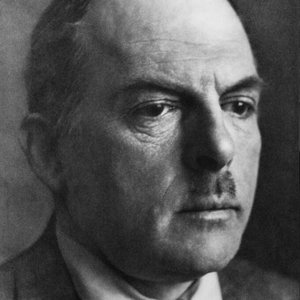
théodore delachaux
1879 - 1949 , Switzerland
Quick Facts
- Artistic Movement Or Style: Ethnographic studies
- Date Of Birth: May 21, 1879
- Date Of Death: 1949
- Full Name: Théodore Delachaux
- Nationality: Swiss
- Notable Artworks:
- Jeune fille kwanyama pendant l
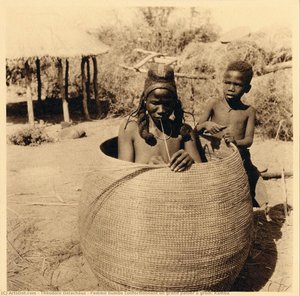
- Femme humbe confectionnant un grand panier à grain. Kâmba
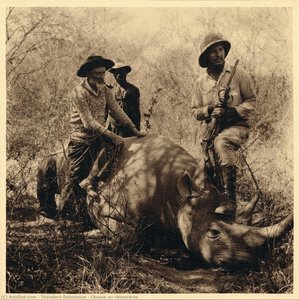
- Chasse au rhinocéros
- Place Of Birth: Interlaken, Switzerland
Related Articles
Mars Black Masterpieces: 10 Iconic Paintings & Timeless Art Decor Ideas
Delve into the power of 'Mars Black' with 10 iconic paintings by masters like Rembrandt & Caravaggio. Explore dramatic chiaroscuro, gothic art, and timeless beauty. Find museum-quality reproductions & elevate your home decor on .

White on Canvas: 10 Masterpieces & Timeless Elegance for Your Home Decor
Explore 10 iconic white paintings by Monet, Whistler & Rothko! Discover the stories behind these serene masterpieces and their impact on art history. Find museum-quality reproductions for your home decor at .

Dark Masterpieces: 10 Iconic Paintings Dominated by Black Tones |
Explore 10 iconic paintings dominated by black tones, from Rembrandt’s chiaroscuro to Goya's dark expressions. Discover the stories behind these masterpieces & find museum-quality art reproductions for your home at .

Monochrome Visions: Exploring the Aesthetic & Historical Significance of Black & White Photography
Explore the rich history & artistic power of black and white photography. From early techniques to iconic masters like Ansel Adams, discover why monochrome continues to captivate art lovers today. Expert insights for collectors.
From Snapshot to Statement: Elevating Personal Photography Through Black & White Fine Art Reproduction
Transform cherished photos into timeless black & white fine art with ArtsDot. Our expert artists create museum-quality reproductions – a lasting legacy for your home and family. Discover the artistry today.