 Preview
 Send
Send Share
Share
 Details

 Download
 Similars
 X-Ray
X-Ray Diaporama
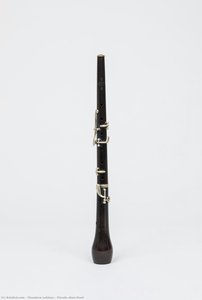
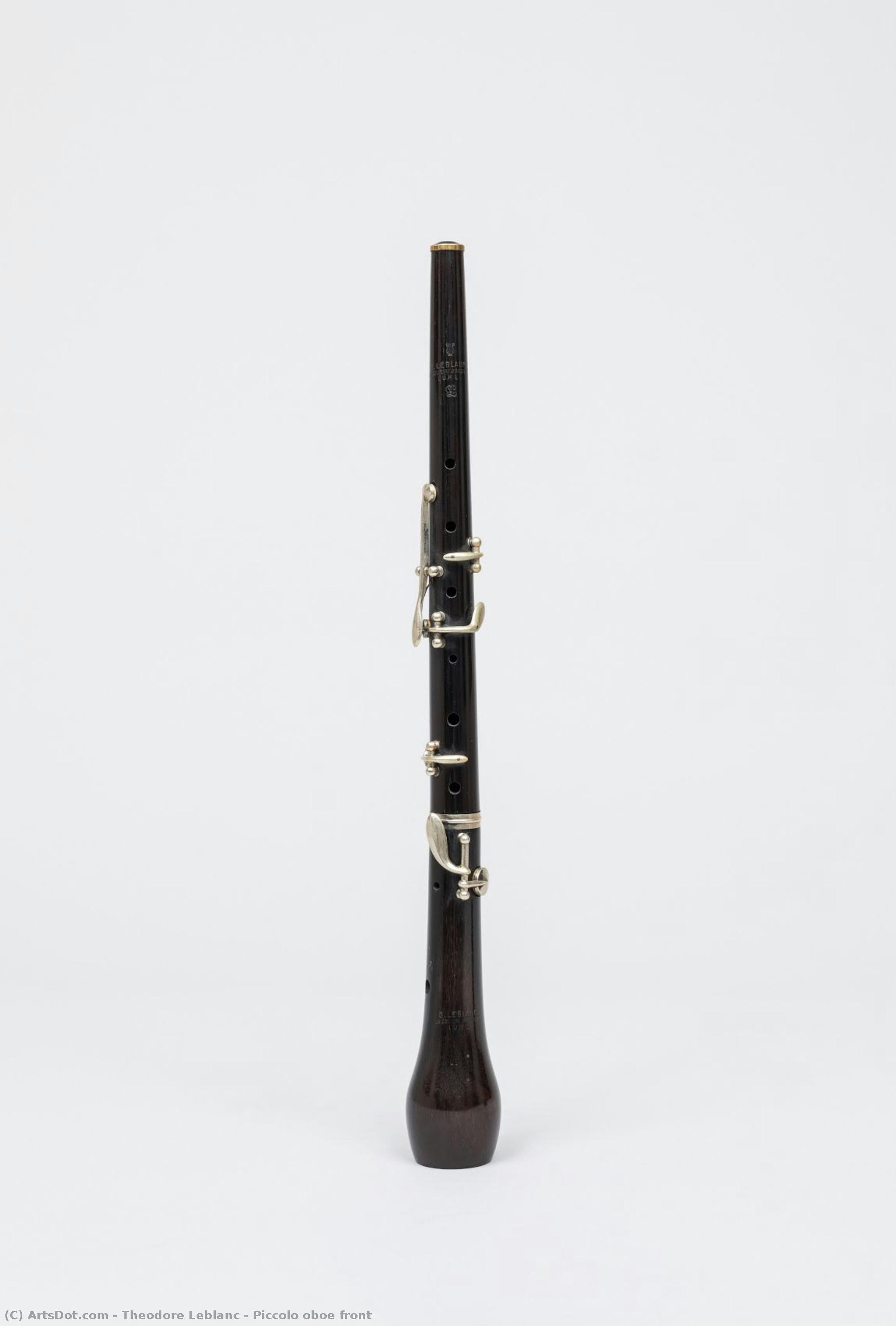
Piccolo oboe front


 Read More
Hand Made Oil Reproduction
Hand-painted oil on canvas in your size and frame, made to order by our artists. ( Buy Print Buy Image)




































Pick from our preset sizes that match the artwork's original proportions.

You may enter your own dimensions to fit a specific frame or space. If your selected size does not match the original image's proportions, we will either crop the artwork or extend the painting with additional hand-painted elements. A digital mockup will be sent for your approval before production begins.
Please note that the on-screen preview does not reflect the actual cropping or extension. Only the mockup will accurately show the final composition.
While custom sizes are available, we recommend selecting a dimension from the predefined list to preserve the original proportions.
After order, ArtsDot.com team will email client for instructions and provide a mockup preview
Worldwide Delivery () in 3/4 weeks instead of standard 5 weeks. (17 August). No compromise on quality.

Free Worldwide Express Shipping

High-Quality Linen Canvas

Full Shipping Insurance

Customs Tax Refund Guarantee

True Color Matching Guarantee

60-Day Return Policy (Defects Only)

100% Money-Back Guarantee

Bulk Discount Offer
 Glass option is only available in size under 110 CM

Piccolo oboe front
Reproduction Medium
Reproduction Size
-


Total Price
$ 263
Related Artworks
Artist Biography
Theodore Leblanc: A Pioneer of Byzantine Influence in American Landscape Painting
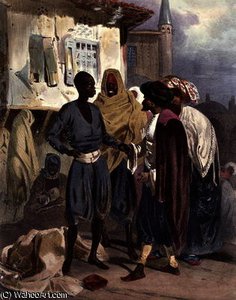
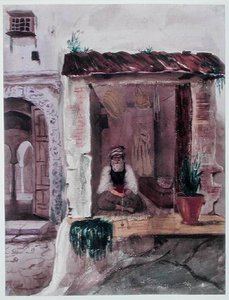
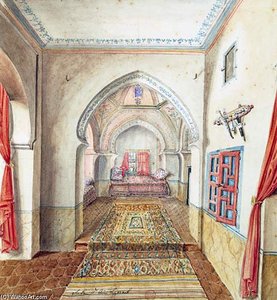
Theodore Leblanc (1800-1837) remains a relatively obscure figure within the broader panorama of 19th-century American art, yet his distinctive style—characterized by luminous color palettes and meticulous attention to detail—holds considerable fascination for scholars specializing in Byzantine mosaic art and its subtle reverberations across artistic movements. Born in Ottobeuren Abbey, Bavaria, Leblanc’s formative years were steeped in the traditions of monastic craftsmanship and theological contemplation, shaping his artistic sensibilities profoundly. His early training focused on sketching architectural designs and religious iconography, honing skills that would prove invaluable as he embarked upon a career dedicated to capturing the grandeur of the American wilderness. Leblanc's artistic journey began with a fascination for landscape painting, mirroring the burgeoning Romantic movement’s embrace of sublime vistas and emotional expression. However, unlike many contemporaries who sought inspiration solely in classical ideals, Leblanc actively investigated Byzantine mosaics—particularly those adorning churches in Constantinople (now Istanbul)—analyzing their compositional strategies and pigment techniques. This intellectual pursuit translated directly into his artistic practice, resulting in canvases imbued with a palpable sense of spiritual depth and bathed in hues reminiscent of the shimmering tesserae of Orthodox churches. Critics noted Leblanc's ability to convey not merely visual beauty but also an underlying feeling of reverence for God’s creation. His most celebrated work, “A Tobacconist, Algiers,” exemplifies this stylistic convergence. Executed in watercolor, the painting depicts a bustling marketplace scene—a vibrant tableau of merchants and customers—yet Leblanc skillfully employs atmospheric perspective and subtle tonal gradations to evoke the ethereal quality of Byzantine mosaics. The muted blues and greens dominate the palette, mirroring the dominant colors found in Orthodox churches, while meticulous brushstrokes capture the textures of fabrics and surfaces with remarkable accuracy. This technique reflects Leblanc’s dedication to faithfully reproducing observed reality—a cornerstone of Impressionism—albeit filtered through the lens of Byzantine artistic principles. Leblanc's influence extended beyond his own paintings; he actively mentored younger artists, fostering a collaborative spirit within the Hoosier Group—a collective of painters based in Indiana who championed Luminist painting—characterized by soft light and tranquil landscapes. Leblanc’s insistence on capturing fleeting moments of natural beauty resonated deeply with fellow artists, shaping the aesthetic sensibilities of an entire generation. His legacy resides not merely in his individual masterpieces but also in his contribution to establishing a distinctive American artistic idiom rooted in European traditions. Leblanc's dedication to art continued until his untimely death at the age of 37, leaving behind a modest oeuvre that nevertheless commands considerable attention from historians and art connoisseurs. The Sagamore Hill National Historic Site—where Leblanc spent his final years—offers visitors a glimpse into his artistic life and surroundings, allowing them to appreciate the profound impact of Byzantine mosaic art on this singular American painter’s vision. His work stands as a testament to the transformative power of intellectual curiosity and artistic experimentation—a beacon illuminating the intersection of faith, observation, and creative expression.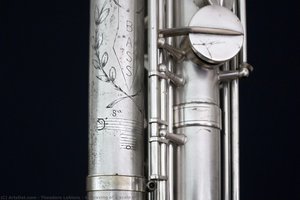
theodore leblanc
1800 - 1837
Quick Facts
- Artistic Movement Or Style: Romanticism
- Artists Or Movements Influenced By This Artist: ['Byzantine Mosaic Art']
- Artists Who Influenced This Artist: ['Jean-Auguste Dominique Ingres']
- Date Of Death: 1837
- Full Name: Theodore Leblanc
- Nationality: German
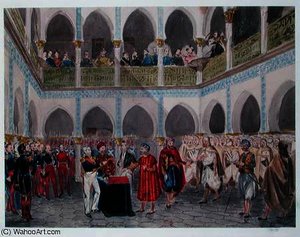
- Notable Artworks: ['Investiture of the Bey of Algiers']
- Place Of Birth: Ottobeuren Abbey