

 Preview
 Send
Send Share
Share
 Details

 Download
 Similars
 X-Ray
X-Ray Diaporama
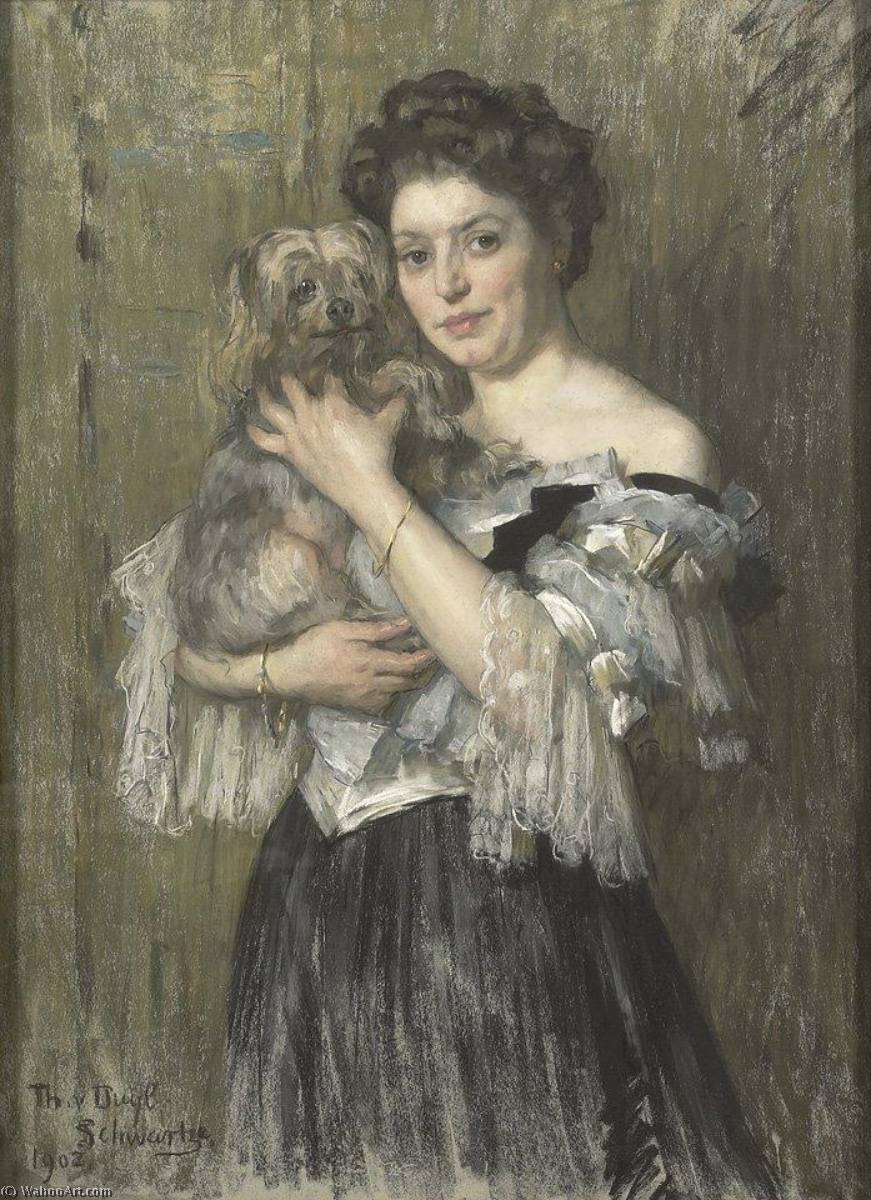
Maria Catharina Josephine Jordan wife of the painter George Hendrik Breitner


 Read More
Purchase a high-resolution, enhanced digital image, far superior to the online preview.
Each file is meticulously prepared by our in-house specialists using advanced tools and expert manual retouching. We ensure every image has exceptional clarity, precise color accuracy, and fine detail.
The final file is delivered via email within 72 hours, optimized for immediate use in professional, editorial, and print environments. This is the same quality trusted by top-tier design studios, publishers, and galleries.
Digital Image
Download a high-resolution file for personal display, printing, and creative projects. ( Buy Print Buy Hand Made Painting)
Included in Every Digital Image Order
Expert Digital Delivery, Guaranteed
When you choose ArtsDot.com, you're not just getting an image - you're receiving a professionally enhanced digital artwork, crafted with precision and backed by a satisfaction guarantee. Here's everything that comes with your order, automatically:

Fast Email Delivery
Your high-resolution digital image file will be emailed to you within 72 hours of ordering - ready for immediate use.

AI-Enhanced Digital File
Your artwork is professionally optimized using advanced AI tools and manual editing, ensuring maximum detail, clarity, and color accuracy.

Free Lifetime Re-Delivery
Accidentally deleted or lost your file? No worries - we'll resend it to you anytime, free of charge.

No Import Fees - Ever
Enjoy your artwork instantly with zero customs, duties, or delivery fees - digital downloads are always tax-free.

Color Accuracy Guarantee
We ensure your digital image reflects the original colors as closely as possible using professional tools and color management.

100-Day Satisfaction Guarantee
If you're not satisfied with your digital image, we'll revise it or refund 100% within 100 days - no questions asked.

100% Money-Back Guarantee
Not satisfied? Get a full refund within 100 days of receiving your digital file - no questions asked.

Bulk Order Discounts
Buy 3 images, save 10% - Buy 5, save 15% - Buy 10+, save 20%. Great for creative projects, galleries, and agencies.
The Intimate Portrait of a Matriarch: Maria Catharina Josephine Jordan by Thérèse Schwartze
Thérèse Schwartze’s 1902 painting, “Maria Catharina Josephine Jordan (1866-1948). Wife of the painter George Hendrik Breitner,” is more than just a likeness; it's a poignant glimpse into the heart of Amsterdam society at the turn of the century. The portrait captures a moment of quiet intimacy – a woman, presumably Maria, cradling a small dog, her gaze directed slightly off-canvas, suggesting a thoughtful contemplation or perhaps a gentle affection for the animal companion. Schwartze’s skill lies not merely in replicating features but in conveying an underlying sense of character and emotion, imbuing the scene with a warmth that transcends mere representation.
A Masterful Study in Character and Light
Executed in a style reminiscent of the Dutch Golden Age portraiture yet infused with a modern sensibility, the painting showcases Schwartze’s remarkable ability to capture the nuances of human expression. The composition is deceptively simple: a close-up view of Maria, framed by a subtly textured wall – a detail that adds depth and anchors the scene within its domestic setting. Schwartze's use of light is particularly noteworthy; it’s soft and diffused, bathing the subject in a gentle glow that highlights her features and creates an atmosphere of serenity. The brushstrokes are delicate yet confident, revealing a mastery of technique honed through years of practice.
Historical Context: A Glimpse into Amsterdam's Elite
To fully appreciate this portrait, it’s essential to understand the social and artistic landscape of early 20th-century Amsterdam. Thérèse Schwartze was a prominent figure in the city’s art scene, renowned for her portraits of the wealthy and influential – members of the upper echelons of society, including royalty and prominent businessmen. Her clientele included Queen Emma and Princess Wilhelmina, cementing her position as one of the era's most sought-after artists. The painting reflects this privileged world, capturing a moment within the refined domestic sphere of a well-to-do family. Maria Catharina Josephine Jordan herself was the wife of George Hendrik Breitner, a celebrated painter known for his depictions of urban life and bohemian circles.
Symbolism and Emotional Resonance
The inclusion of the small dog is significant. Animals often held symbolic value in 19th-century portraiture, representing loyalty, companionship, and domesticity. The dog’s presence reinforces the image of a contented home life and suggests Maria's role as a nurturing figure within her family. Her slightly averted gaze hints at a quiet strength and perhaps a subtle melancholy – a characteristic often found in portraits of women of this era who navigated the constraints of societal expectations. The painting, therefore, is not simply a representation of a woman; it’s an exploration of identity, domesticity, and the complexities of human emotion.
A Timeless Reproduction for Your Home
Today, this captivating portrait by Thérèse Schwartze remains a testament to her artistic talent and a valuable window into a bygone era. High-quality reproductions capture the delicate brushwork, subtle lighting, and emotional depth of the original painting, making it an ideal addition to any art collection or interior design scheme. Whether displayed in a formal salon or a cozy living room, this intimate portrait will undoubtedly spark conversation and evoke a sense of timeless beauty.
Related Artworks
Artist Biography
The Master of Character: The Life and Legacy of Thérèse Schwartze
In the vibrant, shifting landscape of late 19th-century Dutch art, few figures commanded as much respect and social prestige as Thérèse Schwartze. Born in Amsterdam on December 20, 1851, she was a woman who navigated the male-dominated corridors of the art world with unparalleled grace and technical prowess. As the daughter of the painter Johan Georg Schwartze—a man whose own artistic journey spanned from Philadelphia to Düsseldorf—Thérèse was immersed in the language of light and shadow from her earliest years. This lineage provided more than just a biological connection to art; it offered a profound foundation of discipline and an international perspective that would later allow her to capture the very essence of Amsterdam’s most influential figures.
Her artistic evolution was a grand tour of Europe's most prestigious academies. After receiving her initial training under her father's watchful eye, she sought formal rigor at the Rijksakademie van Beemtende Kunsten in her native Amsterdam. However, her ambitions could not be contained by a single city. Seeking to refine her brushwork, she traveled to Munich, where she studied under masters such as Gabriel Max and Franz von Lenbach. It was here that she absorbed the nuances of Impressionism and the delicate art of plein air painting, techniques that would later infuse her formal portraiture with a sense of vitality and modern breath. The final, transformative chapter of her education took place in Paris in 1879, where she studied under Jean-Jacques Henner at the École Supérieure des Beaux-Arts, exposing her to the avant-garde spirit of the French capital.
A Brushstroke of Elegance and Social Splendor
Upon returning to Amsterdam, Schwartze did not merely join the art scene; she became one of its most defining architects. Her work became synonymous with the elegance of the Dutch elite, earning her the trust of royalty and the upper echelons of society. She was a prominent member of Arti et Amicitiae and associated with the "De Amsterdamse Joffers," a group of talented women artists who brought a fresh, intellectual energy to the era. Her ability to paint portraits that were far more than mere likenesses—capturing instead the psychological depth and quiet dignity of her subjects—made her the most sought-after portraitist of her time.
Her repertoire was as diverse as it was masterful, ranging from intimate studies to grand, formal commissions. Some of her most notable achievements include:
- Royal Commissions: Her skill in capturing majesty led to portraits of Queen Emma and Princess Wilhelmina, cementing her status as a painter of national importance.
- Intimate Character Studies: Beyond the grand halls of palaces, she excelled in capturing tender moments, such as her poignant 1902 portrait of Maria Catharina Josephine Jordan, where she used soft, diffused light to convey a sense of domestic serenity.
- Vibrant Social Portraits: Works like her Portrait of Lizzy Ansingh demonstrate her ability to blend meticulous detail with a modern, spirited sensibility.
Technically, Schwartze was a virtuoso of texture and light. She possessed a rare ability to render the heavy sheen of silk, the delicate transparency of lace, and the warmth of human skin with equal conviction. Her brushwork, while disciplined, retained a confident fluidity that prevented her portraits from feeling static or overly academic. In works such as Drie meisjes uit het Amsterdamse Burgerweeshuis, one can see her ability to move away from the elite to capture the simple, unvarnished beauty of everyday life, utilizing a composition that feels both spontaneous and perfectly balanced.
Historical Significance and Enduring Impression
The historical significance of Thérèse Schwartze lies in her role as a bridge between the traditional Dutch portraiture of the past and the burgeoning modernism of the early 20th century. While her subjects were often rooted in the old world of aristocracy and established wealth, her technique was infused with the light-filled innovations of her travels through Munich and Paris. She broke barriers for female artists, proving that a woman could not only master the technical rigors of the academy but also command the commercial and social respect required to sustain a legendary career.
Though she passed away in 1918, her presence remains felt in the halls of the Rijksmuseum and other great institutions. She left behind a legacy that celebrates the intersection of character and craft—a testament to an artist who saw not just the face of her era, but its very soul. Through her eyes, we continue to glimpse the vanished splendor of Amsterdam’s golden age, preserved forever in the luminous layers of her oil paintings.
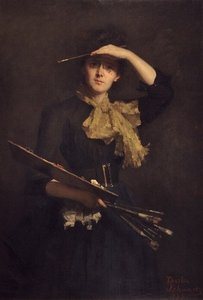
thérèse schwartze
1851 - 1918 , Netherlands
Quick Facts
- Artistic Movement Or Style: Portraiture
- Artists Or Movements Influenced By This Artist: Gabriel Max, Franz von Lenbach
- Artists Who Influenced This Artist: Johann Georg Schwartze
- Date Of Birth: December 20, 1851
- Date Of Death: December 23, 1918
- Full Name: Thérèse Schwartze
- Nationality: Dutch
- Notable Artworks:
- Dr J L Dusseau
- Lizzy Ansingh
- Portrait of Piet J Joubert
- Place Of Birth: Amsterdam, Netherlands