 Preview
 Send
Send Share
Share
 Details

 Download
 Similars
 X-Ray
X-Ray Diaporama
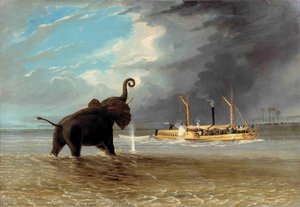
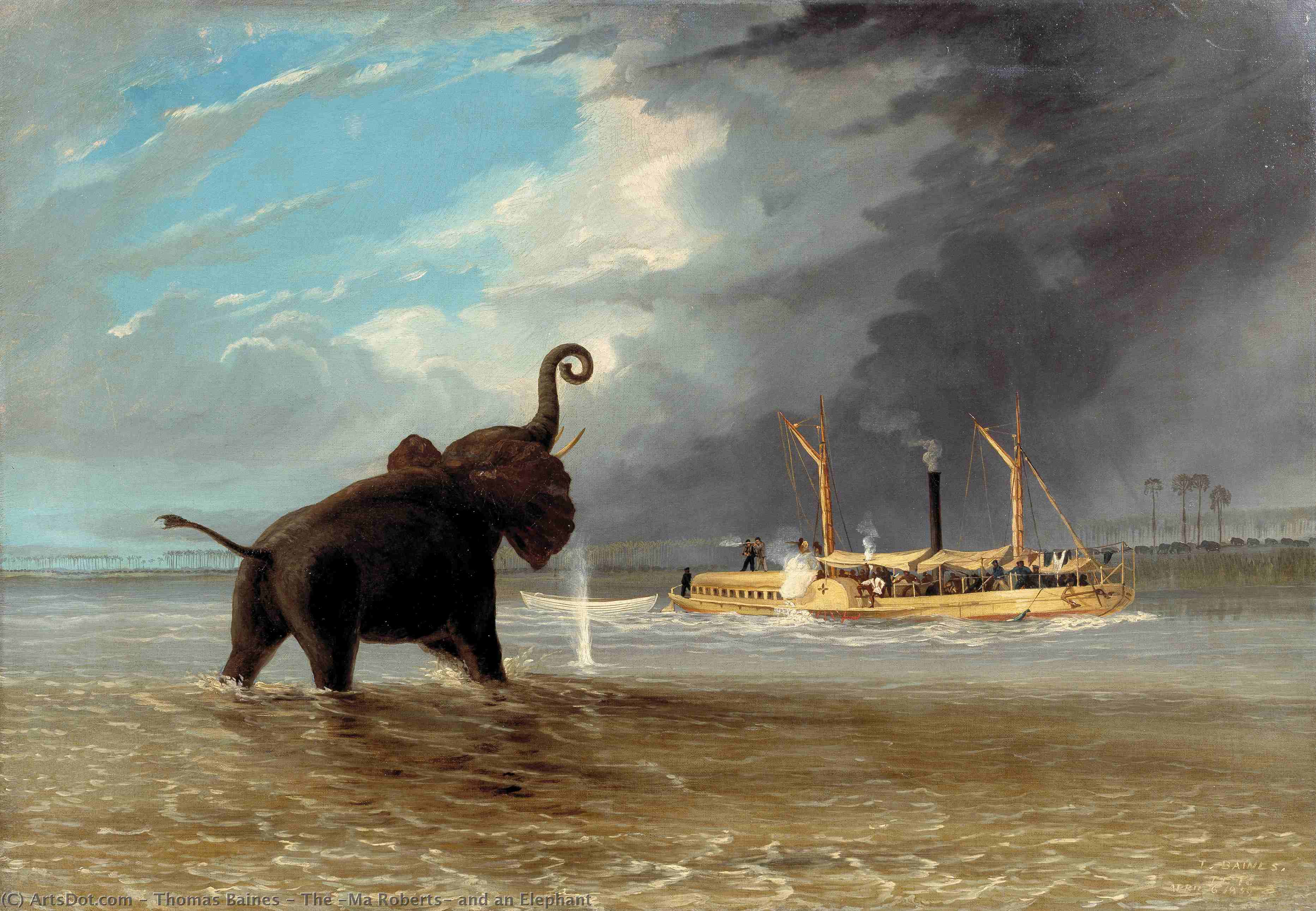
The Ma Roberts and Elephant in the Shallows Shire River Lower Zambezi
 Read More
Giclée / Art Print
Museum-quality giclée or canvas print with fast production and flexible finish options. ( Buy Hand Made Painting Buy Image)




































Pick from our preset sizes that match the artwork's original proportions.

You may enter your own dimensions to fit a specific frame or space. If your selected size does not match the original image's proportions, we will either crop the artwork or extend the image with a mirrored or solid-fill edge. A digital mockup will be sent for your approval before production begins.
Please note that the on-screen preview does not reflect the actual cropping or extension. Only the mockup will accurately show the final composition.
While custom sizes are available, we recommend selecting a dimension from the predefined list to preserve the original proportions.
Worldwide Delivery () in 2 weeks instead of standard 4/5 weeks. (24 August)

Free Worldwide Express Shipping

High-Quality Linen Canvas

Full Shipping Insurance

Customs Tax Refund Guarantee

True Color Matching Guarantee

60-Day Return Policy (Defects Only)

100% Money-Back Guarantee

Bulk Discount Offer
 Glass option is only available in size under 110 CM

The Ma Roberts and Elephant in the Shallows Shire River Lower Zambezi
Giclée / Art Print
Reproduction Size
-


Total Price
$ 63
Collectible Description
Composition and Elements
The painting depicts an elephant walking through shallow water near a boat, with its trunk raised in the air. The elephant is the main focus of the composition, drawing the viewer's attention to its majestic presence. Several people on the boat observe the elephant from a distance, highlighting the curiosity and awe that wildlife can evoke in humans. Two other boats are visible in the scene, one located further back and another closer to the foreground, adding depth and context to the painting.Artistic Significance
Thomas Baines' work is characterized by its detailed and realistic portrayal of African landscapes and wildlife. His paintings often capture moments of interaction between humans and animals, showcasing the beauty of nature and the curiosity of both species. This particular piece is a prime example of his skill in depicting such interactions.Other Works by Thomas Baines
Thomas Baines was prolific in his artistic endeavors, creating numerous works that reflect his fascination with African wildlife and landscapes. Some notable pieces include:- Zebra - A detailed depiction of a zebra in its natural habitat.
- The Death Shot - A dramatic scene capturing the moment of a hunt.
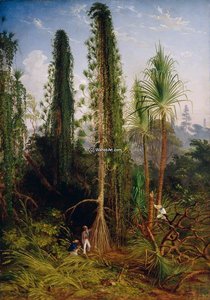
- Pandanus - A serene landscape featuring pandanus trees.
- Camp Scene - A lively depiction of a campsite, showcasing human activity in the wilderness.
Conclusion
"The Ma Roberts and Elephant in the Shallows Shire River Lower Zambezi" by Thomas Baines is a captivating piece that not only showcases his artistic skill but also provides a glimpse into the natural beauty of Africa. His works are a testament to the enduring fascination with wildlife and landscapes, making them timeless pieces of art. For those interested in exploring more of Thomas Baines' work or other artists who capture the essence of nature, ArtsDot offers a wide range of handmade oil painting reproductions. Additionally, for a deeper understanding of contemporary Polish artists like Zbigniew Stanisław Libera, visit Zbigniew Stanisław Libera on ArtsDot. Thomas Baines' paintings are a journey through the heart of Africa, capturing moments that inspire and educate.Related Artworks









Artist Biography
A Life Etched in Landscape: The World of Thomas Baines
Thomas Baines, a name synonymous with 19th-century exploration and artistic dedication, was far more than simply a painter of exotic locales. Born in King’s Lynn, Norfolk, in 1820, his journey began not amidst canvases and palettes, but within the practical world of a coach painter's workshop. This early apprenticeship instilled in him a meticulous attention to detail and a mastery of technique that would later define his remarkable depictions of Africa and Australia. However, the lure of the unknown proved irresistible; at twenty-two, Baines embarked on a voyage to South Africa aboard the “Olivia,” a decision that irrevocably altered the course of his life and cemented his legacy as a chronicler of colonial encounters and breathtaking landscapes. He wasn’t merely recording what he saw, but actively participating in history unfolding before him – a participant observer whose brush captured both the beauty and the complexities of a changing world.From Frontier Wars to Northern Expeditions: A Career Forged in Exploration
Upon arriving in Cape Town, Baines quickly established himself as a sought-after scenic and portrait artist. His talent wasn’t confined to the studio, however. The turbulent political climate of the region soon drew him into service as an official war artist during the Eighth Frontier War for the British Army. This experience was formative, providing invaluable insight into the complexities of colonial conflict and honing his observational skills under pressure. It also marked a turning point, shifting his focus from purely aesthetic pursuits to documenting significant historical events. But it was his association with larger expeditions that truly propelled him to prominence. The 1855-1857 Royal Geographical Society expedition across northern Australia, led by Augustus Gregory, proved pivotal. As both the official artist and storekeeper, Baines meticulously documented the Victoria River district – its unique flora, fauna, and indigenous populations – with an unwavering eye for detail. His contributions were so significant that Mount Baines and the Baines River stand as enduring tributes to his work. This was followed by a momentous journey alongside David Livingstone along the Zambezi River in 1858, where he became one of the first Europeans to witness the awe-inspiring Victoria Falls – an event immortalized in his artwork. Further explorations into South West Africa with James Chapman and later gold prospecting expeditions to Mashonaland demonstrate not only his artistic talent but also a remarkable entrepreneurial spirit and thirst for adventure. He was a man driven by curiosity, compelled to chart both geographical territories and the human stories within them.A Style Rooted in Realism: Capturing the Essence of Colonial Life
Baines’s artistic style is characterized by its unwavering commitment to realism, coupled with a keen sensitivity to light and atmosphere. He wasn't interested in romanticizing or idealizing his subjects; instead, he strived for accuracy, meticulously rendering landscapes, indigenous cultures, wildlife, and historical events with remarkable precision. His preferred mediums – watercolor and oil paints – allowed him to capture the vibrant colors and textures of the African and Australian environments, conveying a sense of immediacy and authenticity. His paintings aren’t simply representations; they are windows into another time and place. He possessed an exceptional ability to portray the nuances of human interaction, depicting both European settlers and indigenous populations with dignity and respect – a rare quality for artists working within the context of colonial expansion. His detailed documentation serves as an invaluable historical record, offering unique perspectives on a period of profound cultural exchange and transformation. He wasn’t simply painting what he saw; he was striving to understand it.Legacy and Enduring Influence: A Pioneer of Exploration Art
Thomas Baines’s legacy extends far beyond his impressive body of work. He helped establish a tradition of artistic documentation within exploration, influencing subsequent generations of artists who accompanied expeditions to remote corners of the globe. His paintings and sketches are now held in prestigious institutions worldwide – the National Library of Australia, the National Archives of Zimbabwe, and the Brenthurst Library among them – testament to their enduring historical and artistic value. The Thomas Baines Nature Reserve in South Africa serves as a fitting memorial to his life’s work, preserving the landscapes that so captivated his imagination. He wasn't just an artist documenting exploration; he was an integral part of it. His art provides a rare and invaluable perspective on a pivotal era, offering insights into the lives, cultures, and environments of both colonizers and colonized. Through his meticulous observations and artistic skill, Thomas Baines left an indelible mark on our understanding of 19th-century Africa and Australia, ensuring that his name will continue to resonate with those who seek to explore the intersection of art, history, and adventure.Key Works & Their Significance
- “Killing An Alligator”: A dramatic depiction of colonial life, showcasing Baines’s skill in capturing action and detail within a tropical setting.
- “Mt Stephanie, Above Kabradasa, Zambezi River”: A stunning Romantic landscape painting that exemplifies his ability to convey the grandeur and scale of the African wilderness. It is a testament to his mastery of light and atmosphere.
- “Dispersal Of Hostile Tribes Near Baines River”: A poignant representation of colonial conflict, offering a glimpse into the complexities and tensions of the era.
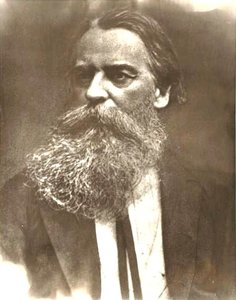
Thomas Baines
1820 - 1875 , United Kingdom
Quick Facts
- Artistic Movement Or Style: Realism
- Artists Or Movements Influenced By This Artist: Exploration Art
- Date Of Birth: 1820
- Date Of Death: 1875
- Full Name: Thomas Baines
- Nationality: British
- Notable Artworks:
- Killing An Alligator
- Mt Stephanie
- Dispersal Tribes
- Place Of Birth: King’s Lynn, UK