 Preview
 Send
Send Share
Share
 Details

 Download
 Similars
 X-Ray
X-Ray Diaporama
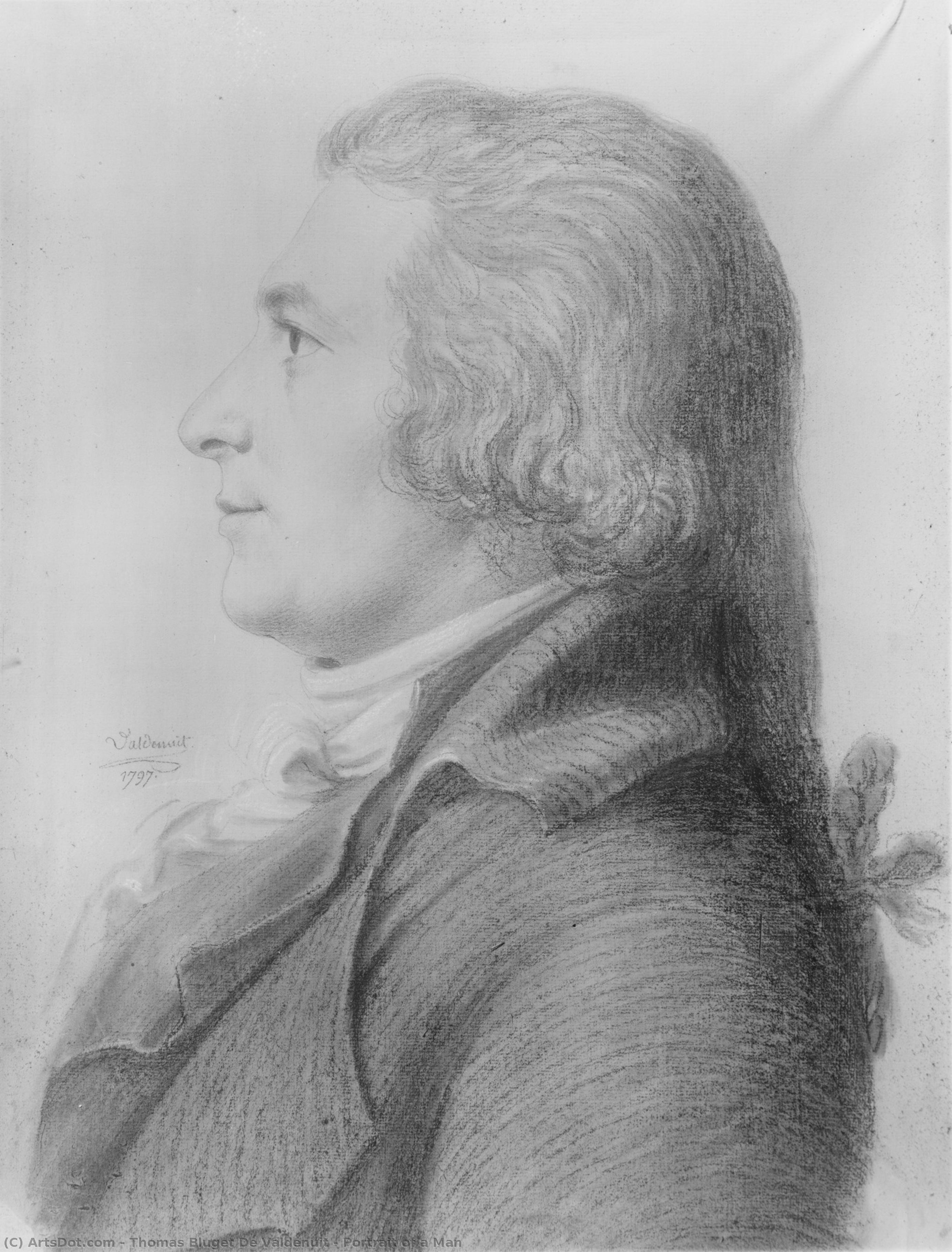
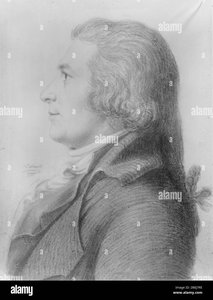
Portrait of a Man
 1797
1797 50.0 x 38.0 cm
 Read More
Hand Made Oil Reproduction
Hand-painted oil on canvas in your size and frame, made to order by our artists. ( Buy Print Buy Image)




































Pick from our preset sizes that match the artwork's original proportions.

You may enter your own dimensions to fit a specific frame or space. If your selected size does not match the original image's proportions, we will either crop the artwork or extend the painting with additional hand-painted elements. A digital mockup will be sent for your approval before production begins.
Please note that the on-screen preview does not reflect the actual cropping or extension. Only the mockup will accurately show the final composition.
While custom sizes are available, we recommend selecting a dimension from the predefined list to preserve the original proportions.
After order, ArtsDot.com team will email client for instructions and provide a mockup preview
Worldwide Delivery () in 3/4 weeks instead of standard 5 weeks. (24 August). No compromise on quality.

Free Worldwide Express Shipping

High-Quality Linen Canvas

Full Shipping Insurance

Customs Tax Refund Guarantee

True Color Matching Guarantee

60-Day Return Policy (Defects Only)

100% Money-Back Guarantee

Bulk Discount Offer
 Glass option is only available in size under 110 CM

Portrait of a Man
Reproduction Medium
Reproduction Size
-


Total Price
$ 263
Related Artworks






Artist Biography
Early Life and Artistic Beginnings in France
Thomas Bludget de Valdenuit was born into a world on the cusp of dramatic change, arriving in Ricey-Bas, France, in 1763. While details surrounding his early life remain somewhat elusive, it is known that he embarked upon a career as an officer of artillery—a path not traditionally associated with artistic pursuits. However, fate and circumstance would lead him to forge a unique partnership and leave a lasting mark on the world of portraiture. The late 18th century was a period of upheaval in France, and it’s likely that the political climate played a role in his eventual relocation to America. Before leaving his homeland, Valdenuit developed a keen eye for detail and precision, skills honed through his military training, which would later prove invaluable in his artistic endeavors.
The Physiognotrace and Collaboration with Saint-Memin
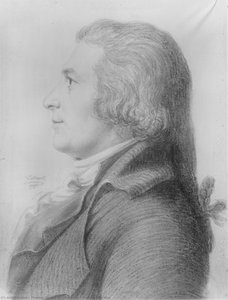
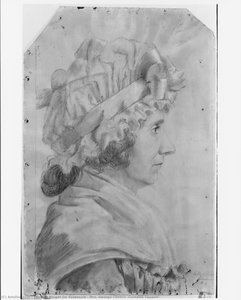
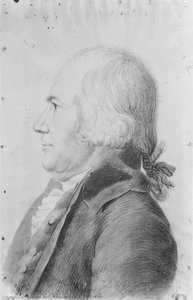
Valdenuit’s most significant contribution to art history stems from his collaboration with Charles Balthazar Julien Fevret de Saint-Memin. The two artists joined forces, bringing a revolutionary invention—the physiognotrace—to the American public. This ingenious device, conceived in France in 1783-84, allowed for the mechanical tracing of a sitter’s profile portrait with remarkable accuracy. The partnership was a shrewd business venture; Valdenuit typically executed the initial drawings using the physiognotrace, capturing the likenesses of their subjects, while Saint-Memin expertly translated these tracings into engraved plates and multiple prints. This process made high-quality portraits accessible to a wider audience than ever before.
A Novel Portraiture Service in Early America
In 1796, Valdenuit and Saint-Memin boldly advertised their “celebrated physiognotrace of Paris,” offering a unique package: a silhouette portrait rendered in black chalk on pink-toned paper, accompanied by a small engraved metal plate and a dozen impressions. This innovative service quickly gained popularity among American society, particularly with those seeking affordable yet dignified representations of themselves or loved ones. The portraits produced were characterized by their elegant simplicity and striking accuracy—a testament to Valdenuit’s skill in operating the physiognotrace and Saint-Memin's mastery of engraving. Their work captured a cross-section of American life, from prominent political figures like Governor George Clinton to members of the burgeoning middle class.
Technique and Artistic Style
Valdenuit’s artistic style was defined by its precision and attention to detail—qualities undoubtedly influenced by his background in artillery. The physiognotrace itself dictated a certain level of objectivity, focusing on capturing accurate outlines and proportions. However, within this framework, Valdenuit demonstrated a subtle artistry in the rendering of facial features and expressions. His portraits are not merely mechanical reproductions; they possess a quiet dignity and sensitivity that speaks to his skill as an observer of human character. The use of black chalk on pink paper created a soft, flattering effect, enhancing the overall aesthetic appeal of the works.
Legacy and Historical Significance
Although their partnership was relatively short-lived—ending in September 1797 with Valdenuit’s return to France—the impact of Bludget de Valdenuit and Saint-Memin's collaboration on American portraiture is undeniable. They democratized the art form, making it accessible to a broader segment of society. Their innovative use of technology challenged traditional artistic methods and paved the way for new approaches to portraiture. While Valdenuit’s later life remains largely undocumented, his contribution to the early development of American art—through the introduction of the physiognotrace and the creation of countless elegant portraits—continues to be recognized and appreciated by scholars and collectors alike. His work offers a fascinating glimpse into the lives and faces of those who shaped the nascent nation.
thomas bludget de valdenuit
1763 - 1846 , France
Quick Facts
- Artistic Movement Or Style: Portraiture
- Artists Or Movements Influenced By This Artist: ['Saint Memin']
- Date Of Birth: 1763
- Date Of Death: 1846
- Full Name: Thomas Bludget de Valdenuit
- Nationality: French
- Notable Artworks:
- Governor George Clinton
- Portrait of a Man
- Mrs. George Clinton
- Place Of Birth: Ricey-Bas, France