 Preview
 Send
Send Share
Share
 Details

 Download
 Similars
 X-Ray
X-Ray Diaporama
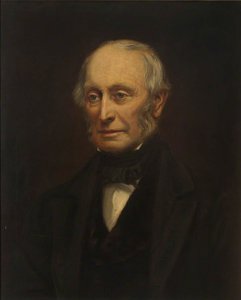
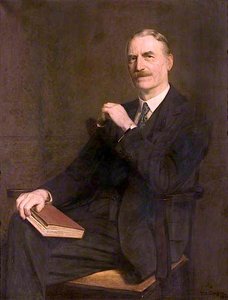
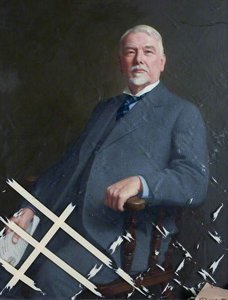
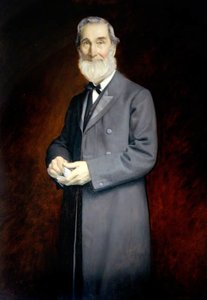
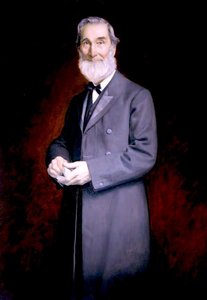
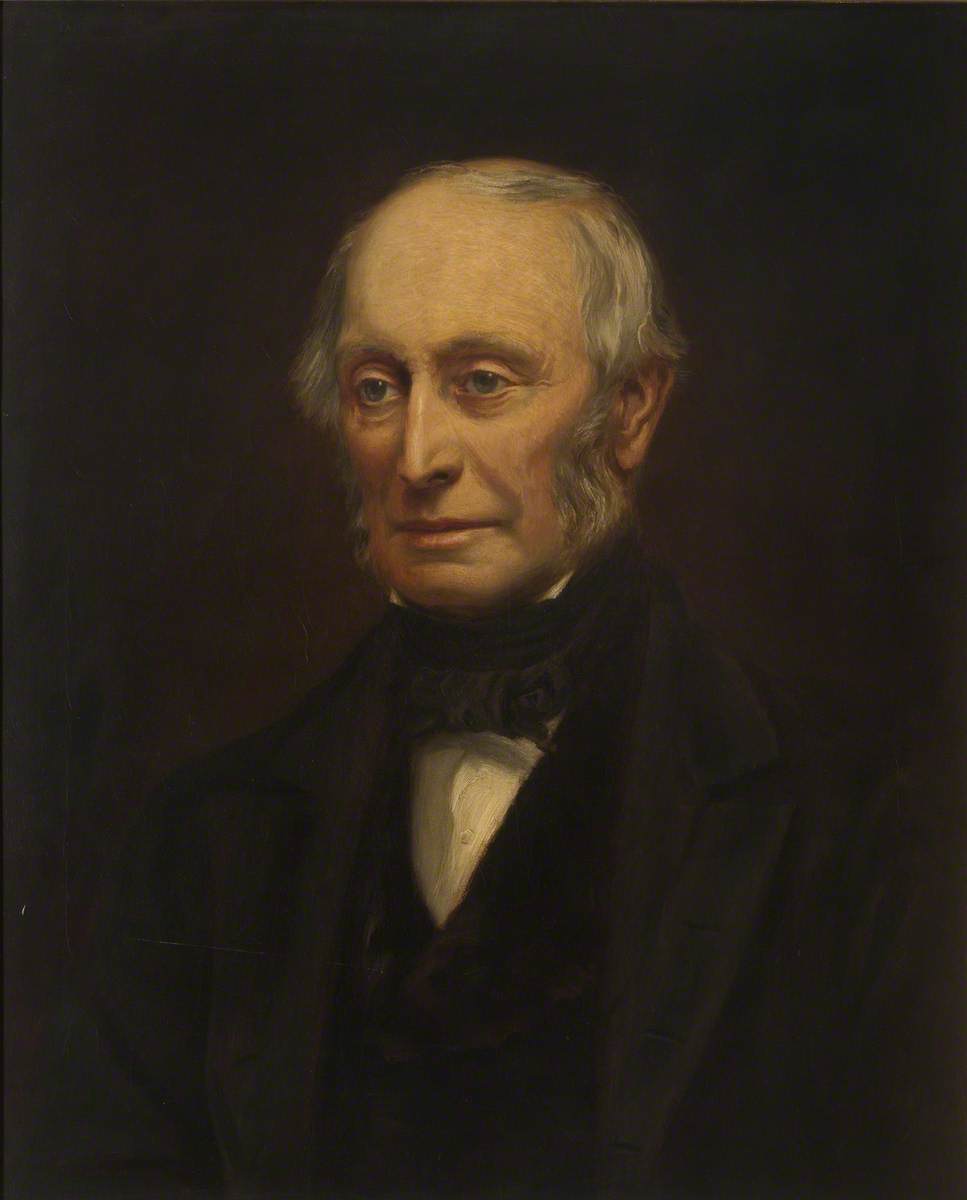
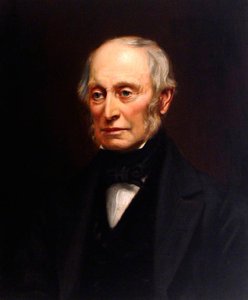
Lord William Armstrong (1810–1900) (copy after Mary Lemon Waller)
 1901
1901 60.0 x 50.0 cm
 Institution of Mechanical Engineers
 Read More
Hand Made Oil Reproduction
Hand-painted oil on canvas in your size and frame, made to order by our artists. ( Buy Print Buy Image)




































Pick from our preset sizes that match the artwork's original proportions.

You may enter your own dimensions to fit a specific frame or space. If your selected size does not match the original image's proportions, we will either crop the artwork or extend the painting with additional hand-painted elements. A digital mockup will be sent for your approval before production begins.
Please note that the on-screen preview does not reflect the actual cropping or extension. Only the mockup will accurately show the final composition.
While custom sizes are available, we recommend selecting a dimension from the predefined list to preserve the original proportions.
After order, ArtsDot.com team will email client for instructions and provide a mockup preview
Worldwide Delivery () in 3/4 weeks instead of standard 5 weeks. (23 August). No compromise on quality.

Free Worldwide Express Shipping

High-Quality Linen Canvas

Full Shipping Insurance

Customs Tax Refund Guarantee

True Color Matching Guarantee

60-Day Return Policy (Defects Only)

100% Money-Back Guarantee

Bulk Discount Offer
 Glass option is only available in size under 110 CM

Lord William Armstrong (1810–1900) (copy after Mary Lemon Waller)
Reproduction Medium
Reproduction Size
-


Total Price
$ 263
Related Artworks








Artist Biography
A Northumbrian Master of Light and Lineage
In the rolling landscapes and dignified halls of Northumberland, the name Thomas Bowman Garvie resonates as a testament to the enduring power of naturalism. Born in Morpeth in 1859, Garvie was an artist whose life work served as a bridge between the rigorous academic traditions of the nineteenth century and a profound, intimate connection to the English countryside. His journey began with a precocious talent for drawing, a spark that would eventually ignite a career defined by an unwavering commitment to observing the world exactly as it appeared, capturing not just the physical form of his subjects but the very atmosphere that surrounded them.
Garvie’s artistic evolution was shaped by the prestigious institutions of Europe. His formal training began under the guidance of Philip Calderon at the Royal Academy, where he honed the technical precision that would become his hallmark. However, it was his subsequent pilgrimage to Paris that infused his work with a broader, more luminous sensibility. Studying at the Académie Julian under masters such as William-Adolphe Bouguereau and Fleury, Garvie immersed himself in the sophisticated techniques of French academic painting. This period of intense study, coupled with the transformative experience of the Grand Tour in 1898, allowed him to absorb the subtle nuances of light and color that characterize the Impressionist movement, even as he maintained an orthodox dedication to realistic form.
The Art of Observation: Plein Air and Portraiture
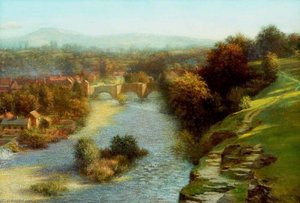
What distinguishes Garvie’s oeuvre is his remarkable ability to oscillate between the grand scale of the landscape and the quiet intimacy of the portrait. As a practitioner of plein air painting, he frequently took his easel into the elements, braving the shifting weather of the North East to capture the fleeting subtleties of light upon the hills and valleys of his homeland. This method allowed him to translate the atmospheric weight of the Northumberland countryside onto canvas with an almost tactile reality, making his landscapes feel less like static images and perhaps more like living, breathing environments.
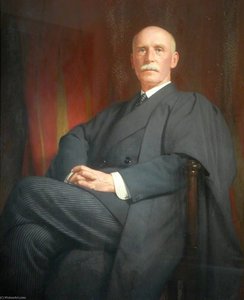
In the realm of portraiture, Garvie achieved a level of distinction that made him one of the most sought-after painters of the North East. His approach was characterized by a deep sensitivity to character; he did not merely seek a likeness but aimed to reveal the soul of his sitters through a masterful use of light and shadow. His notable commissions reflect the social fabric of his era, featuring prominent figures such as:
- Lord Armstrong, capturing the essence of industrial and aristocratic grandeur.
- Thomas Burt, a tribute to political and regional significance.
- Sir William and Lady Grey, rendered with an elegance that speaks to their social standing.
- Lord Percy, embodying the historical weight of Northumbrian lineage.
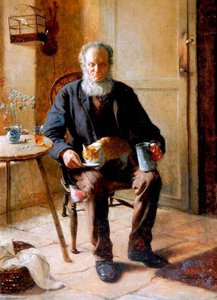
Whether depicting the dignified presence of a peer or the tender, everyday moment found in works like Man Feeding His Cat, Garvie’s brushwork remained grounded in a profound respect for truth. His ability to render textures—the heavy wool of a cloak, the soft light on skin, or the ruggedness of a landscape—ensured that his work possessed a timeless, visceral quality.
Legacy and Enduring Presence
Beyond his individual canvases, Garvie was a pillar of the regional art community. His leadership roles, including serving as President of the North East Coast Art Club in 1937 and holding positions within the Pen and Palette Club, demonstrate his dedication to fostering the artistic life of Newcastle and beyond. He was an artist who deeply understood the importance of community and the preservation of local identity through visual storytelling.
Today, the legacy of Thomas Bowman Garvie lives on through the many works held in prestigious public collections, such as the Laing Art Gallery and Cragside. His paintings remain vital windows into a bygone era, offering contemporary viewers a sense of the light, the people, and the enduring spirit of Northumberland. Through his meticulous technique and his heart for the natural world, Garvie ensured that the fleeting beauty of the nineteenth century would be preserved in the permanent, golden glow of fine art.
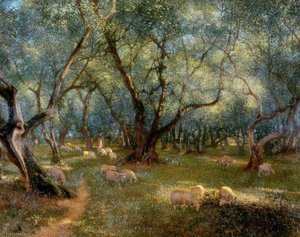
thomas bowman garvie
1859 - 1944
Quick Facts
- Artistic Movement Or Style: Naturalism
- Artists Or Movements Influenced By This Artist: ['plein air painting']
- Artists Who Influenced This Artist: ['Philip Calderon']
- Date Of Birth: February 6, 1859
- Date Of Death: January 5, 1944
- Full Name: Thomas Bowman Garvie
- Nationality: British
- Notable Artworks:
- Man Feeding His Cat
- Sir Thomas Oliver
- William Henry Armstrong Fitzpatrick Watson Armstrong
- Place Of Birth: Morpeth, Northumberland