 Preview
 Send
Send Share
Share
 Details

 Download
 Similars
 X-Ray
X-Ray Diaporama
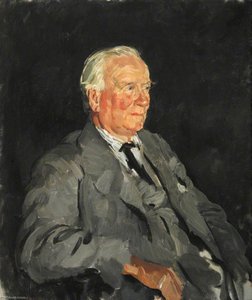
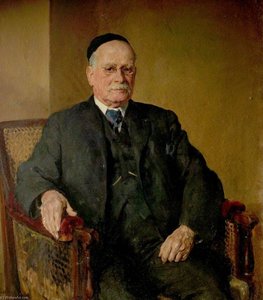
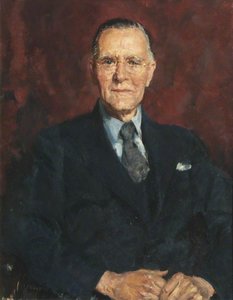
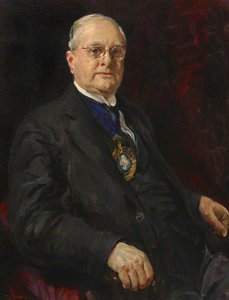
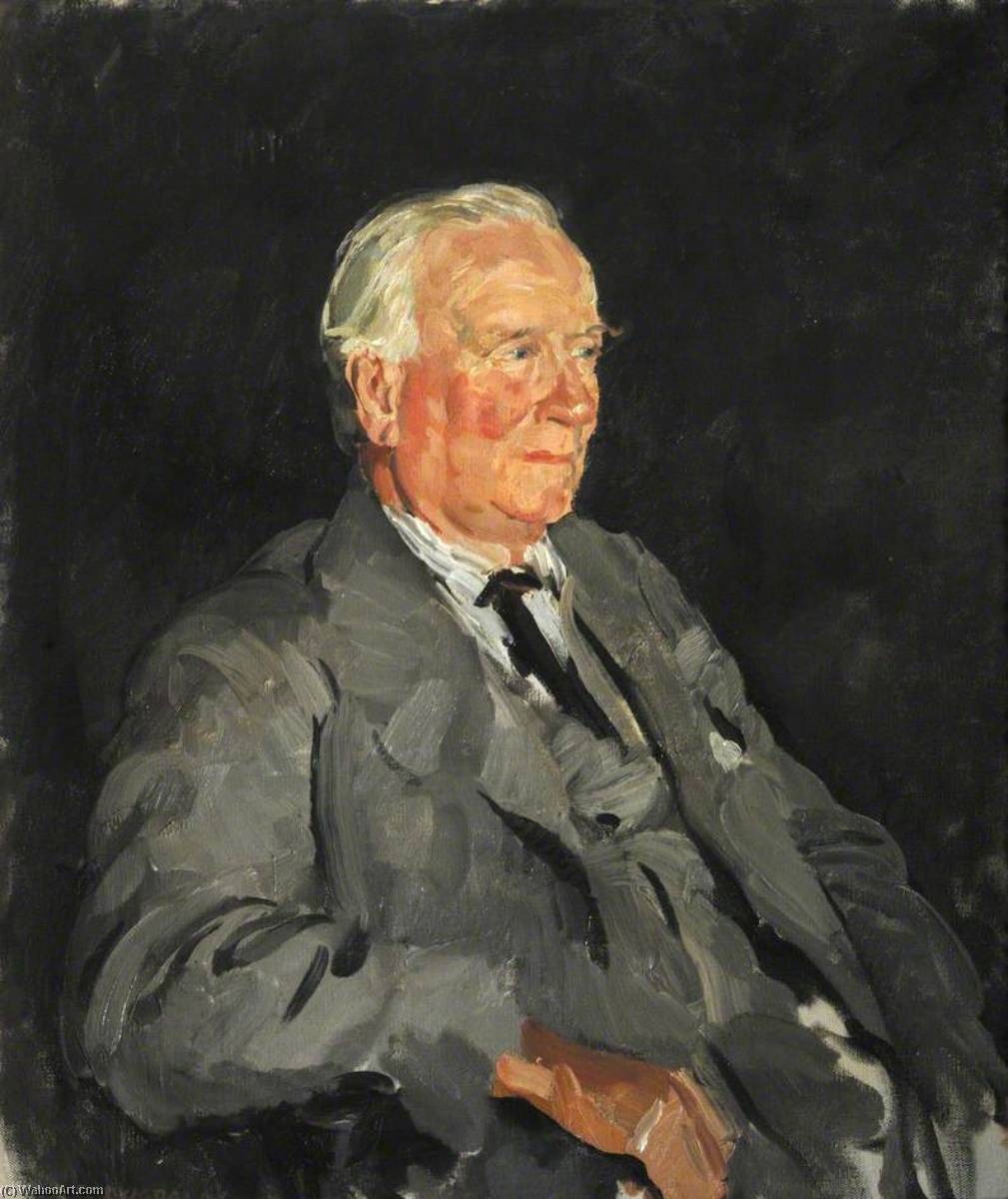
Herbert Henry Asquith (1852–1928), 1st Earl of Oxford and Asquith, KG, Scholar (1870), Fellow (1874–1882), Honorary Fellow (1908), Prime Minister (1908–1916)
 Oil On Canvas
- WallArt
- Impressionism
 1925
1925- 19th Century
 89.0 x 73.0 cm
 Balliol College
 Read More
Giclée / Art Print
Museum-quality giclée or canvas print with fast production and flexible finish options. ( Buy Hand Made Painting Buy Image)




P118B $10

P118H $10

P118W $10

P438Z $10

P508JH $12

P508YH $12

P805H $10

P805Z $10

P919BZ $10

P919G $10

P919XJ $10

P959ZH $10

P968JZ $12

W106C $8

W218G $10

W218JH $8

W218Y $10

W307PJ $10

W316G $10

W316PJ $8

W316Y $10

W398PJ $8

W4111J $10

W500HY $15

W500JH $15

W692G $12

W849H $8

W940BG $15

W953PJ $8




Pick from our preset sizes that match the artwork's original proportions.

You may enter your own dimensions to fit a specific frame or space. If your selected size does not match the original image's proportions, we will either crop the artwork or extend the image with a mirrored or solid-fill edge. A digital mockup will be sent for your approval before production begins.
Please note that the on-screen preview does not reflect the actual cropping or extension. Only the mockup will accurately show the final composition.
While custom sizes are available, we recommend selecting a dimension from the predefined list to preserve the original proportions.
Worldwide Delivery () in 2 weeks instead of standard 4/5 weeks. (29 August)

Free Worldwide Express Shipping

High-Quality Linen Canvas

Full Shipping Insurance

Customs Tax Refund Guarantee

True Color Matching Guarantee

60-Day Return Policy (Defects Only)

100% Money-Back Guarantee

Bulk Discount Offer
 Glass option is only available in size under 110 CM

Herbert Henry Asquith (1852–1928), 1st Earl of Oxford and Asquith, KG, Scholar (1870), Fellow (1874–1882), Honorary Fellow (1908), Prime Minister (1908–1916)
Giclée / Art Print
Reproduction Size
-


Total Price
$ 63
A Portrait in Statesmanship: Capturing the Aura of Power
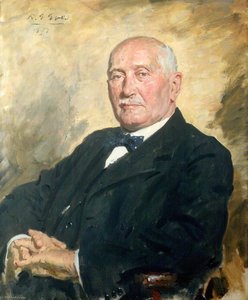
This evocative painting presents a compelling study of Herbert Henry Asquith, the distinguished statesman who served as Prime Minister during a pivotal era of British history. The subject is captured with an air of quiet authority; he sits composedly, his hands clasped in a gesture that speaks volumes of deliberation and weighty thought. Dressed formally, complete with a tie that anchors his dignified presence, Asquith seems less like a mere portrait subject and more like the embodiment of institutional gravity. The artist, Thomas Cantrell Dugdale, has managed to transcend simple likeness, offering instead an immersion into the very atmosphere surrounding political power—a blend of intellectual rigor and lived experience.
Technique and Compositional Depth
Dugdale’s handling of paint suggests a mastery that bridges academic portraiture with the looser brushwork influenced by Impressionism, as seen in his broader artistic development. The rendering of Asquith himself is meticulous, allowing the viewer to appreciate the subtle textures of his clothing and the thoughtful gaze behind his spectacles. Yet, the composition refuses to be static. Beyond the central figure, the inclusion of other partially visible individuals—one near the top left and another at the bottom right—suggests a larger narrative unfolding just outside the frame. These peripheral figures, along with the empty chair and the discarded tie, act as subtle compositional anchors, hinting at conversations concluded or decisions yet to be made, lending the piece an almost cinematic quality.
Historical Resonance and Symbolism
Painted in 1925, this work exists in a fascinating temporal space. It memorializes a man whose career spanned some of the most tumultuous decades of the early twentieth century. The symbolism inherent in the setting—the formal attire, the weighty chair—speaks to the enduring weight of public duty. The clasped hands are not merely resting; they symbolize consensus, negotiation, and the careful balancing act required of leadership. For the collector or designer, this piece offers more than just decoration; it serves as a visual meditation on legacy, service, and the quiet moments that define monumental historical figures.
An Emotional Connection for the Modern Space
To bring this painting into a contemporary interior is to infuse a space with intellectual depth. It possesses a gravitas that complements libraries, formal studies, or drawing rooms designed for contemplation. The rich tones and the palpable sense of history invite viewers to pause, to consider the narratives embedded within the brushstrokes. Dugdale’s ability to capture not just what a man looked like, but what he represented—the enduring spirit of service—makes this reproduction a profound statement piece, connecting the viewer directly to the echoes of significant moments in British history.
Related Artworks

Artist Biography
Thomas Cantrell Dugdale: A Life Dedicated to Art and Service
Thomas Cantrell Dugdale (1880-1952) stands as a testament to the enduring spirit of British art – blending meticulous observation with expressive brushstrokes, underpinned by a profound commitment to both artistic excellence and civic duty. Born in Blackburn, Lancashire, Dugdale’s early life instilled within him a passion for visual representation that would define his entire career trajectory. His formative years at Manchester Grammar School provided a foundation for intellectual curiosity, followed by studies at the Manchester School of Art before embarking on a broader artistic education at the Royal College of Art and the City Guilds of London Art School – experiences that cultivated his technical skills and exposed him to diverse artistic traditions, notably Parisian Impressionism.- Early Influences & Artistic Style: Dugdale’s artistic sensibilities were profoundly shaped by Impressionist masters like Claude Monet and Pierre Auguste Renoir, whose techniques of capturing fleeting moments of light and color resonated deeply within his own approach to painting. He favored a bold palette and textured brushwork—particularly impasto—creating canvases that pulsed with vitality and conveying an immediacy rarely found in academic art.
- Royal Academy Recognition & Portraiture: Dugdale’s debut at the Royal Academy in 1901 marked a pivotal moment, establishing him as a respected figure within the British artistic landscape. He swiftly gained renown for his portrait commissions, capturing the likenesses of prominent individuals—politicians, businessmen, and artists alike—with remarkable sensitivity and psychological insight. His portraits are characterized by their careful attention to detail and their ability to convey not only physical appearance but also inner character.
Military Service & Artistic Engagement During Wartime
Dugdale’s artistic pursuits were inextricably linked with his military service, beginning in 1910 when he enlisted in the British Army and served as a Staff Sergeant in the Middlesex Yeomanry during World War I. This experience honed his observational skills and instilled within him a deep understanding of human resilience under pressure—themes that would permeate his artwork throughout the conflict. Notably, four paintings produced during his wartime service were acquired by the British War Memorials Committee, demonstrating his dedication to commemorating historical events through visual art. His involvement extended beyond mere artistic creation; he actively organized a Home Guard unit in Suffolk during World War II, embodying the spirit of civic responsibility alongside his creative endeavors.- War Artist Commissions: Dugdale’s wartime commissions from the War Artists Advisory Committee focused on portraying Merchant Seamen and RAF Pilots—subjects that demanded both technical precision and empathetic portrayal. These paintings offer invaluable glimpses into the lives of ordinary Britons during extraordinary times, reflecting the anxieties and aspirations of a nation facing adversity.
- Beyond Painting: Textile Design & Illustration: Dugdale’s artistic versatility extended beyond easel painting; he excelled as a textile designer for Tootal Broadhurst Lee for twenty years, crafting decorative fabrics that blended aesthetic beauty with functional considerations. Furthermore, he undertook illustration work, contributing to books and publications—demonstrating his ability to adapt his artistic skills to diverse mediums.
Legacy & Historical Significance
Thomas Cantrell Dugdale’s contribution to British art is undeniable. His unwavering dedication to capturing the human spirit through portraiture and his engagement with historical events—particularly during wartime—solidified his place as a significant figure in 20th-century artistic history. His paintings continue to resonate today, offering insights into the social and cultural milieu of his time while upholding enduring principles of artistic excellence and humanist compassion. Dugdale’s work serves as an inspiring reminder that creativity can flourish alongside civic duty—a legacy worthy of remembrance.
Thomas Cantrell Dugdale
1880 - 1952 , United Kingdom
Quick Facts
- Artistic Movement Or Style: Impressionism
- Artists Who Influenced This Artist:
- Claude Monet
- Pierre Auguste Renoir
- Date Of Birth: 1880 Blackburn UK
- Date Of Death: 1952
- Full Name: Thomas Cantrell Dugdale
- Nationality: British
- Notable Artworks:
- A Boy
- Lieutenant Colonel Harry Whitehill, DSO, Wearing the Uniform of His Former Regiment, the City of London Yeomanry (Roughriders)
- Princess Margaret (1947–2002), Colonel in Chief
- Place Of Birth: Blackburn Lancashire UK
Related Articles
Academic Realism's Finest: 10 Masterpieces for Art Lovers & Home Decor
Explore 10 defining Academic Realism masterpieces by Bouguereau, Gérôme & Cabanel. Discover the stories behind these iconic paintings and bring timeless art into your home with museum-quality reproductions from ArtsDot.com. Explore the full collection online!
Academic Realism: Technique, History & Enduring Influence on Art
Explore the captivating world of Academic Realism! Discover key artists, techniques & its lasting impact on art history. Expert insights & high-quality reproductions at ArtsDot.
Romantic Realism's Finest: 10 Masterpieces for Your Home | ArtsDot
Explore 10 defining masterpieces of Romantic Realism! Discover Courbet, Millet & Daumier's powerful paintings—capturing emotion and social realities. Find museum-quality reproductions for your home at ArtsDot.com.
American Realism: Social Commentary & Artistic Representation in Early 20th-Century Painting
Explore the powerful social commentary & artistic representation of American Realism. Discover key artists like Bellows & Sloan, and understand the movement's lasting impact on 20th-century art history.

The Enduring Legacy of Oil on Canvas: Technique, History & Aesthetic Impact
Explore the rich history & techniques of oil painting – from Renaissance masters to Impressionism. Discover pigments, layering methods, and why this timeless medium endures. Expert insights for artists & art enthusiasts.