

 Preview
 Send
Send Share
Share
 Details

 Download
 Similars
 X-Ray
X-Ray Diaporama
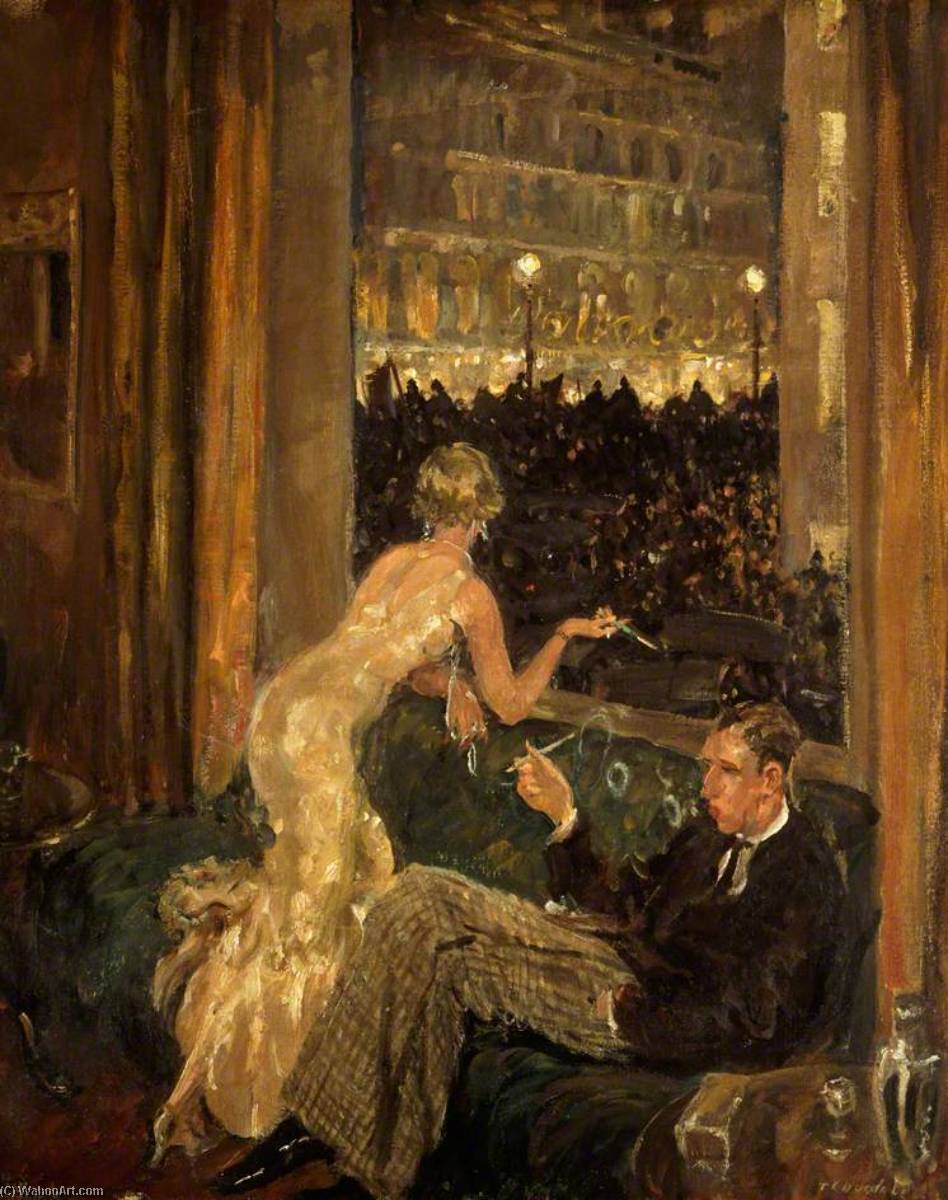
The Arrival of the Jarrow Marchers in London, Viewed from an Interior
 Oil On Canvas
- WallArt
- Social Documentary
 1936
1936 77.0 x 64.0 cm
 The Geffrye
 Read More
Purchase a high-resolution, enhanced digital image, far superior to the online preview.
Each file is meticulously prepared by our in-house specialists using advanced tools and expert manual retouching. We ensure every image has exceptional clarity, precise color accuracy, and fine detail.
The final file is delivered via email within 72 hours, optimized for immediate use in professional, editorial, and print environments. This is the same quality trusted by top-tier design studios, publishers, and galleries.
Digital Image
Download a high-resolution file for personal display, printing, and creative projects. ( Buy Print Buy Hand Made Painting)
Included in Every Digital Image Order
Expert Digital Delivery, Guaranteed
When you choose ArtsDot.com, you're not just getting an image - you're receiving a professionally enhanced digital artwork, crafted with precision and backed by a satisfaction guarantee. Here's everything that comes with your order, automatically:

Fast Email Delivery
Your high-resolution digital image file will be emailed to you within 72 hours of ordering - ready for immediate use.

AI-Enhanced Digital File
Your artwork is professionally optimized using advanced AI tools and manual editing, ensuring maximum detail, clarity, and color accuracy.

Free Lifetime Re-Delivery
Accidentally deleted or lost your file? No worries - we'll resend it to you anytime, free of charge.

No Import Fees - Ever
Enjoy your artwork instantly with zero customs, duties, or delivery fees - digital downloads are always tax-free.

Color Accuracy Guarantee
We ensure your digital image reflects the original colors as closely as possible using professional tools and color management.

60-Day Satisfaction Guarantee
If you're not satisfied with your digital image, we'll revise it or refund 100% within 60 days - no questions asked.

100% Money-Back Guarantee
Not satisfied? Get a full refund within 60 days of receiving your digital file - no questions asked.

Bulk Order Discounts
Buy 3 images, save 10% - Buy 5, save 15% - Buy 10+, save 20%. Great for creative projects, galleries, and agencies.
Thomas Cantrell Dugdale’s ‘The Arrival of the Jarrow Marchers in London, Viewed from an Interior’ – A Window into 1936
This evocative oil on canvas, measuring 77 x 64 cm and painted in 1936 by Thomas Cantrell Dugdale, offers a poignant snapshot of a pivotal moment in British history. Dugdale, born in Blackburn in 1880, was a dedicated artist whose career reflected both technical mastery and a deep engagement with the social realities of his time. The painting’s title immediately establishes its subject: the arrival of the Jarrow Marchers – unemployed workers who undertook a grueling march from Jarrow to London in protest against poverty and unemployment – viewed through the lens of an interior space, creating a compelling juxtaposition of public unrest and private observation.
- Subject Matter: The scene meticulously depicts the chaotic yet dignified arrival of the marchers outside a building. Dugdale’s attention to detail captures the diverse group of individuals – men, women, and children – united in their cause.
- Composition: The interior setting, featuring two couches, three chairs, and a prominent clock, anchors the scene and subtly directs the viewer's eye. The placement of these objects suggests a room occupied by someone witnessing the events unfolding outside, adding an element of narrative tension.
- Technique: Dugdale’s brushwork demonstrates a clear influence from Impressionism, particularly evident in his use of light and shadow to capture the textures of clothing, faces, and the surrounding architecture. The painting exhibits a skillful blending of colors, creating a sense of depth and atmosphere.
Historical Context & The Jarrow March
Painted in 1936, ‘The Arrival of the Jarrow Marchers’ directly reflects the anxieties and hardships prevalent in Britain during the Great Depression. The Jarrow March, lasting from October to November 1936, was a remarkable act of collective protest by unemployed shipbuilders from Jarrow, Tyne and Wear. These men, facing widespread poverty and unemployment due to the decline of the shipbuilding industry, embarked on a 200-mile march to London demanding government action. The event garnered significant media attention and highlighted the plight of working-class communities across Britain. Dugdale’s choice to depict this moment underscores his commitment to portraying social issues through art.
Symbolism & Narrative Layers
The inclusion of a woman smoking a cigarette, observing the scene from within the room, is particularly significant. She represents a silent witness, perhaps a member of the household or a sympathetic observer. The clock on the wall serves as a visual reminder of time – both the marchers’ wasted time and the urgency of their demands. The furniture itself—couches and chairs—suggests a space of domesticity contrasted sharply with the public display of protest outside, amplifying the painting's emotional impact.
Artistic Legacy & Reproduction
Thomas Cantrell Dugdale (1880-1952) was a respected artist who dedicated his life to capturing moments in time. His work reflects a deep understanding of both artistic technique and social commentary. ArtsDot.com is proud to offer a meticulously crafted hand-painted reproduction of ‘The Arrival of the Jarrow Marchers in London, Viewed from an Interior,’ allowing you to experience the power and beauty of this significant historical painting within your own space. This reproduction ensures that Dugdale’s vision remains accessible for generations to come.
Related Artworks

Artist Biography
Thomas Cantrell Dugdale: A Life Dedicated to Art and Service
Thomas Cantrell Dugdale (1880-1952) stands as a testament to the enduring spirit of British art – blending meticulous observation with expressive brushstrokes, underpinned by a profound commitment to both artistic excellence and civic duty. Born in Blackburn, Lancashire, Dugdale’s early life instilled within him a passion for visual representation that would define his entire career trajectory. His formative years at Manchester Grammar School provided a foundation for intellectual curiosity, followed by studies at the Manchester School of Art before embarking on a broader artistic education at the Royal College of Art and the City Guilds of London Art School – experiences that cultivated his technical skills and exposed him to diverse artistic traditions, notably Parisian Impressionism.- Early Influences & Artistic Style: Dugdale’s artistic sensibilities were profoundly shaped by Impressionist masters like Claude Monet and Pierre Auguste Renoir, whose techniques of capturing fleeting moments of light and color resonated deeply within his own approach to painting. He favored a bold palette and textured brushwork—particularly impasto—creating canvases that pulsed with vitality and conveying an immediacy rarely found in academic art.
- Royal Academy Recognition & Portraiture: Dugdale’s debut at the Royal Academy in 1901 marked a pivotal moment, establishing him as a respected figure within the British artistic landscape. He swiftly gained renown for his portrait commissions, capturing the likenesses of prominent individuals—politicians, businessmen, and artists alike—with remarkable sensitivity and psychological insight. His portraits are characterized by their careful attention to detail and their ability to convey not only physical appearance but also inner character.
Military Service & Artistic Engagement During Wartime
Dugdale’s artistic pursuits were inextricably linked with his military service, beginning in 1910 when he enlisted in the British Army and served as a Staff Sergeant in the Middlesex Yeomanry during World War I. This experience honed his observational skills and instilled within him a deep understanding of human resilience under pressure—themes that would permeate his artwork throughout the conflict. Notably, four paintings produced during his wartime service were acquired by the British War Memorials Committee, demonstrating his dedication to commemorating historical events through visual art. His involvement extended beyond mere artistic creation; he actively organized a Home Guard unit in Suffolk during World War II, embodying the spirit of civic responsibility alongside his creative endeavors.- War Artist Commissions: Dugdale’s wartime commissions from the War Artists Advisory Committee focused on portraying Merchant Seamen and RAF Pilots—subjects that demanded both technical precision and empathetic portrayal. These paintings offer invaluable glimpses into the lives of ordinary Britons during extraordinary times, reflecting the anxieties and aspirations of a nation facing adversity.
- Beyond Painting: Textile Design & Illustration: Dugdale’s artistic versatility extended beyond easel painting; he excelled as a textile designer for Tootal Broadhurst Lee for twenty years, crafting decorative fabrics that blended aesthetic beauty with functional considerations. Furthermore, he undertook illustration work, contributing to books and publications—demonstrating his ability to adapt his artistic skills to diverse mediums.
Legacy & Historical Significance
Thomas Cantrell Dugdale’s contribution to British art is undeniable. His unwavering dedication to capturing the human spirit through portraiture and his engagement with historical events—particularly during wartime—solidified his place as a significant figure in 20th-century artistic history. His paintings continue to resonate today, offering insights into the social and cultural milieu of his time while upholding enduring principles of artistic excellence and humanist compassion. Dugdale’s work serves as an inspiring reminder that creativity can flourish alongside civic duty—a legacy worthy of remembrance.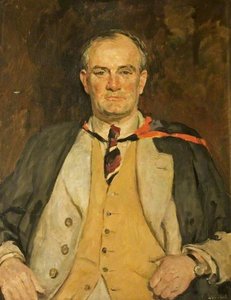
Thomas Cantrell Dugdale
1880 - 1952 , United Kingdom
Quick Facts
- Artistic Movement Or Style: Impressionism
- Artists Who Influenced This Artist:
- Claude Monet
- Pierre Auguste Renoir
- Date Of Birth: 1880 Blackburn UK
- Date Of Death: 1952
- Full Name: Thomas Cantrell Dugdale
- Nationality: British
- Notable Artworks:
- A Boy
- Lieutenant Colonel Harry Whitehill, DSO, Wearing the Uniform of His Former Regiment, the City of London Yeomanry (Roughriders)
- Princess Margaret (1947–2002), Colonel in Chief
- Place Of Birth: Blackburn Lancashire UK

