 Preview
 Send
Send Share
Share
 Details

 Download
 Similars
 X-Ray
X-Ray Diaporama
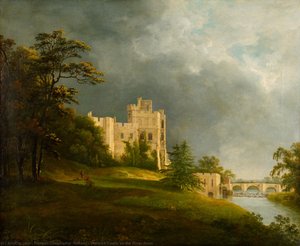
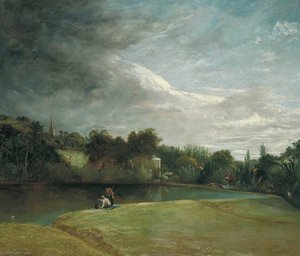
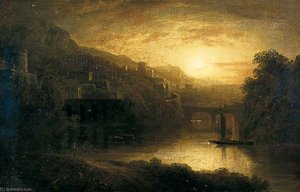
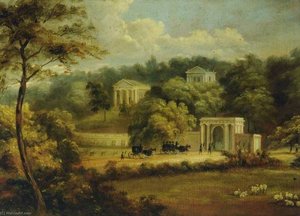
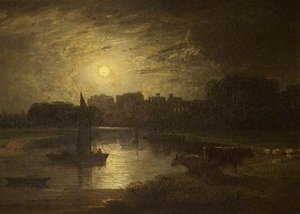
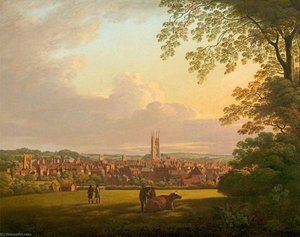
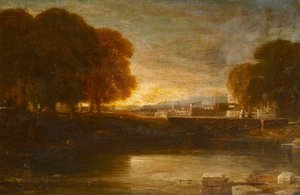
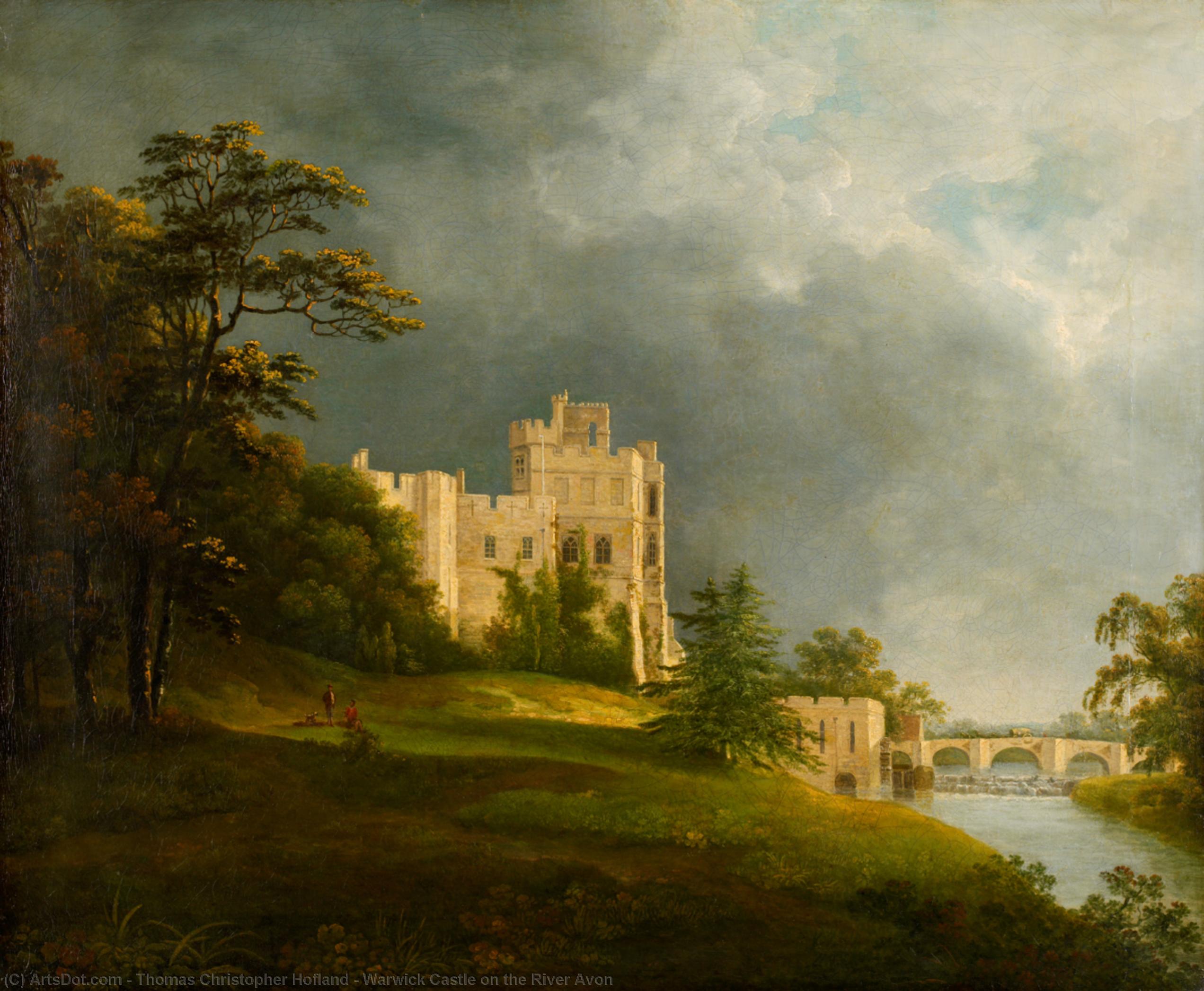
Warwick Castle on the River Avon
 61.0 x 74.0 cm
 Government Art Collection
 Read More
Hand Made Oil Reproduction
Hand-painted oil on canvas in your size and frame, made to order by our artists. ( Buy Print Buy Image)




































Pick from our preset sizes that match the artwork's original proportions.

You may enter your own dimensions to fit a specific frame or space. If your selected size does not match the original image's proportions, we will either crop the artwork or extend the painting with additional hand-painted elements. A digital mockup will be sent for your approval before production begins.
Please note that the on-screen preview does not reflect the actual cropping or extension. Only the mockup will accurately show the final composition.
While custom sizes are available, we recommend selecting a dimension from the predefined list to preserve the original proportions.
After order, ArtsDot.com team will email client for instructions and provide a mockup preview
Worldwide Delivery () in 3/4 weeks instead of standard 5 weeks. (25 August). No compromise on quality.

Free Worldwide Express Shipping

High-Quality Linen Canvas

Full Shipping Insurance

Customs Tax Refund Guarantee

True Color Matching Guarantee

60-Day Return Policy (Defects Only)

100% Money-Back Guarantee

Bulk Discount Offer
 Glass option is only available in size under 110 CM

Warwick Castle on the River Avon
Reproduction Medium
Reproduction Size
-


Total Price
$ 263
Related Artworks








Artist Biography
The Symbiosis of Landscape and Line
Thomas Christopher Hofland (1777–1843) remains a captivating figure in the tapestry of British art, an artist whose creative pulse was uniquely synchronized with the rhythms of the natural world. Born in Worksop, Nottinghamshire, Hofland’s early artistic identity was forged under the guidance of John Rathbone, a mentorship that introduced him to the delicate nuances of the Romantic aesthetic. His formative years were spent cultivating a keen eye for detail at Kew Gardens, where the meticulous observation of botanical forms and shifting light began to shape his burgeoning talent. This early immersion in the organic world instilled in him a profound appreciation for tonal subtlety and atmospheric perspective, qualities that would later define his mastery of the landscape genre.
As his career progressed, Hofland’s life became a beautiful intersection of artistic pursuit and the quiet patience of angling. Moving to Derby in 1805, he established himself not merely as a painter but as a respected teacher and a meticulous recorder of the English countryside. His work often captured the serene, almost spiritual beauty of locations such as Dove Dale, a landscape that resonated deeply with his personal passions. This connection to the water was more than incidental; Hofland’s identity as a keen angler allowed him to experience the landscape with a unique intimacy, observing the subtle changes in river currents and light that others might overlook. His dedication to sketching alongside contemporaries like Ebenezer Rhodes helped cement his reputation as an artist capable of translating the fleeting moments of nature into enduring visual narratives.
A Legacy of Artistic Innovation and Collaboration
Hofland’s contribution to the British art scene extended far beyond the canvas, reaching into the very structures of the artistic community. Driven by a desire to expand opportunities for creators outside the traditional confines of the Royal Academy, he became a foundational member of the Society of British Artists (SBA). This endeavor was a significant milestone in the democratization of art, providing a vital platform for artists to showcase their work and fostering a spirit of innovation that challenged the established hierarchies of the era. His prolific output at the SBA, where he exhibited over one hundred paintings, stands as a testament to his commitment to the growth of the British school of painting.
The narrative of Hofland’s life is also inextricably linked to the literary success of his wife, Barbara Hofland. Their partnership was a true creative union, blending visual artistry with evocative prose. While Hofland provided the exquisite illustrations for many of her works—including celebrated documentation of Marlborough House and the architectural splendors of Derbyshire gardens—it was often her writing that provided the family's primary sustenance. This collaborative spirit enriched his oeuvre, as he translated the written descriptions of landscapes and historical estates into luminous, detailed engravings and paintings. Their shared life in places like Twickenham and their mutual devotion to documenting English heritage created a legacy where art and literature breathed as one.
In his later years, Hofland’s passion for the natural world culminated in a unique literary and artistic achievement: The British Angler's Manual. Published in 1839, this work was much more than a guide to fly-fishing; it was a lavishly illustrated celebration of the English landscape. Through his detailed drawings and paintings, he documented the rivers of Derbyshire and the lush environs of Hampshire, offering readers a visual journey through the very places where he had spent countless hours both sketching and fishing. In this way, Thomas Christopher Hofland achieved a rare feat in art history: he successfully bridged the gap between the technical precision of a naturalist and the emotive power of a Romantic painter, leaving behind a body of work that remains a poignant tribute to the enduring beauty of the British landscape.
thomas christopher hofland
1777 - 1843
Quick Facts
- Artistic Movement Or Style: Romantic Landscape Painting
- Artists Or Movements Influenced By This Artist: ['Isaac Walton']
- Artists Who Influenced This Artist: ['John Rathbone']
- Date Of Death: 1843
- Full Name: Thomas Christopher Hofland
- Nationality: English
- Notable Artworks:
- A Quarry
- Boys Fishing at Highgate Ponds
- Warwick Castle on the River Avon
- Place Of Birth: Worksop, England