

 Preview
 Send
Send Share
Share
 Details

 Download
 Similars
 X-Ray
X-Ray Diaporama
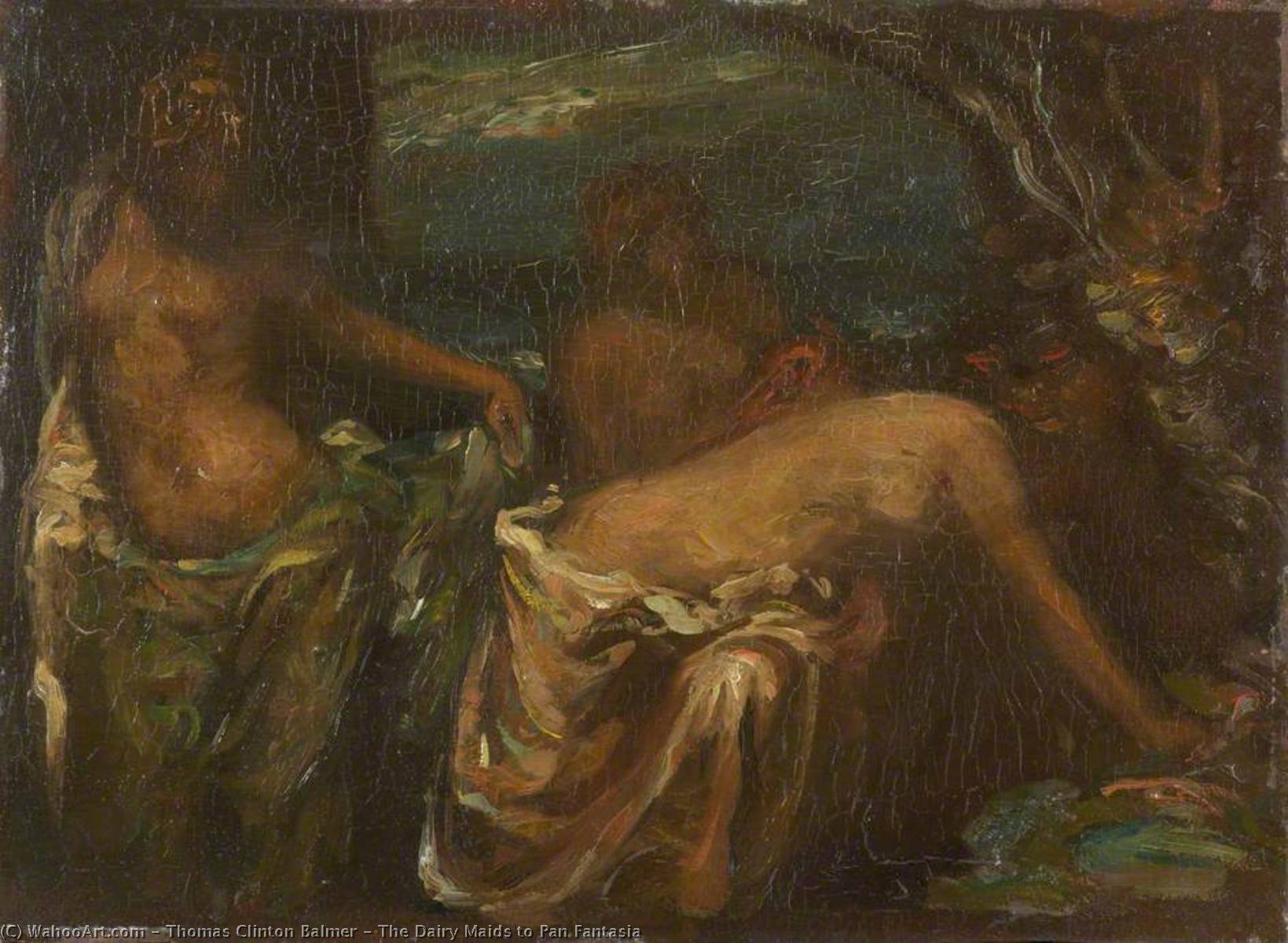
The Dairy Maids to Pan Fantasia
 1905
1905 24.0 x 33.0 cm
 Read More
Purchase a high-resolution, enhanced digital image, far superior to the online preview.
Each file is meticulously prepared by our in-house specialists using advanced tools and expert manual retouching. We ensure every image has exceptional clarity, precise color accuracy, and fine detail.
The final file is delivered via email within 72 hours, optimized for immediate use in professional, editorial, and print environments. This is the same quality trusted by top-tier design studios, publishers, and galleries.
Digital Image
Download a high-resolution file for personal display, printing, and creative projects. ( Buy Print Buy Hand Made Painting)
Included in Every Digital Image Order
Expert Digital Delivery, Guaranteed
When you choose ArtsDot.com, you're not just getting an image - you're receiving a professionally enhanced digital artwork, crafted with precision and backed by a satisfaction guarantee. Here's everything that comes with your order, automatically:

Fast Email Delivery
Your high-resolution digital image file will be emailed to you within 72 hours of ordering - ready for immediate use.

AI-Enhanced Digital File
Your artwork is professionally optimized using advanced AI tools and manual editing, ensuring maximum detail, clarity, and color accuracy.

Free Lifetime Re-Delivery
Accidentally deleted or lost your file? No worries - we'll resend it to you anytime, free of charge.

No Import Fees - Ever
Enjoy your artwork instantly with zero customs, duties, or delivery fees - digital downloads are always tax-free.

Color Accuracy Guarantee
We ensure your digital image reflects the original colors as closely as possible using professional tools and color management.

60-Day Satisfaction Guarantee
If you're not satisfied with your digital image, we'll revise it or refund 100% within 60 days - no questions asked.

100% Money-Back Guarantee
Not satisfied? Get a full refund within 60 days of receiving your digital file - no questions asked.

Bulk Order Discounts
Buy 3 images, save 10% - Buy 5, save 15% - Buy 10+, save 20%. Great for creative projects, galleries, and agencies.
Related Artworks









Artist Biography
Thomas Clinton Balmer: A Painter of English Light and Shadow
Thomas Clinton Balmer, a name perhaps less familiar than many of his Victorian contemporaries, nevertheless possessed a remarkable talent for capturing the essence of English life and landscape during a pivotal era. Born in Liverpool in 1879 into a family deeply rooted in shipping, Balmer’s artistic journey began with formal training at the prestigious Mount Street School of Art, where he honed his skills under the tutelage of Frederick V. Burridge and Augustus C. John – figures whose influence would profoundly shape his distinctive style. His early works demonstrate a clear engagement with the Arts and Crafts movement, evident in their meticulous detail and celebration of traditional craftsmanship, yet quickly evolved into something uniquely his own.
Balmer’s artistic development was inextricably linked to his relocation to America in 1905, seeking opportunities and a new perspective. He spent several years in New York City, immersing himself in the vibrant art scene and experimenting with various techniques. However, a strong pull towards his native England eventually led him back across the Atlantic, establishing a home in Flushing, New York, and later residing in Brooklyn. This transatlantic experience undoubtedly broadened his artistic horizons, exposing him to diverse influences and informing his evolving approach to composition and color.
The Palette of St. Thomas’ Hospital
Balmer's most enduring legacy lies perhaps in his extensive body of work depicting scenes from St. Thomas’ Hospital in London. These paintings, executed primarily between 1908 and the 1930s, offer a poignant glimpse into the daily lives of patients, nurses, and doctors within this iconic institution. Unlike idealized depictions of medical practice common at the time, Balmer's work eschewed romanticism, presenting instead a realistic and often melancholic portrayal of illness, suffering, and resilience. His use of muted tones—particularly blues, greys, and browns—created an atmosphere of quiet contemplation, while his meticulous attention to detail captured the subtle nuances of human emotion.
The series is not merely a documentation of hospital life; it’s imbued with symbolic depth. Balmer frequently employed light and shadow to convey themes of mortality, hope, and the enduring spirit of humanity. His figures are often rendered in profile, lending them an air of solemnity and emphasizing their vulnerability. The compositions themselves—often featuring solitary individuals or small groups engaged in quiet moments—suggest a profound sense of isolation and introspection. Notably, his work was compared to that of William Morris, highlighting the influence of decorative arts and social commentary within his artistic vision.
Technique and Style
Balmer’s technique is characterized by a masterful command of oil paint, employing a layered approach known as *impasto* – building up thick textures with visible brushstrokes. This technique not only adds depth and richness to the paintings but also conveys a sense of immediacy and physicality. His use of color was restrained yet deliberate, prioritizing tonal harmony over vibrant hues. He skillfully manipulated light and shadow to create dramatic effects, emphasizing form and volume. His style can be described as a blend of realism and impressionism, capturing both the objective appearance of his subjects and their emotional essence.
Beyond hospital scenes, Balmer produced a diverse range of works including portraits, landscapes, and murals. His artistic versatility is evident in the variety of subject matter and stylistic approaches he embraced throughout his career. He also served as an instructor at the Westlake School of Art and Design in Los Angeles, further demonstrating his commitment to nurturing young talent.
Legacy and Recognition
Despite not achieving widespread fame during his lifetime, Thomas Clinton Balmer’s work has gained increasing recognition in recent decades. His paintings from St. Thomas’ Hospital are now considered important historical documents, offering a valuable insight into Victorian medical practice and the human condition. His ability to capture the quiet dignity of suffering patients—and the compassion of those who cared for them—has resonated deeply with viewers.
Balmer's contributions to the art world were acknowledged by organizations such as the New Haven Paint and Clay Club, where he served on the jury of award in 1922. His work continues to be exhibited and studied, cementing his place as a significant figure in late nineteenth- and early twentieth-century British painting. His legacy is one of quiet observation, profound empathy, and an unwavering commitment to capturing the beauty and complexity of everyday life.
thomas clinton balmer
1879 - 1967
Quick Facts
- Artistic Movement Or Style: English Landscape Art
- Artists Or Movements Influenced By This Artist: ['Charles H. Shannon']
- Artists Who Influenced This Artist:
- William Morris
- Augustus John
- Date Of Birth: Feb 6, 1879
- Date Of Death: March 1967
- Full Name: Thomas Clinton Balmer
- Nationality: British
- Notable Artworks:
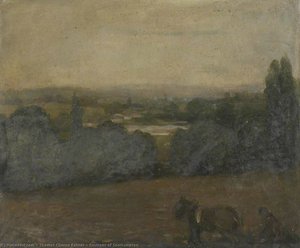
- Environs of Southampton
- Girl With a Cat
- Two Figures in a Boat
- Place Of Birth: Liverpool, England

