

 Preview
 Send
Send Share
Share
 Details

 Download
 Similars
 X-Ray
X-Ray Diaporama
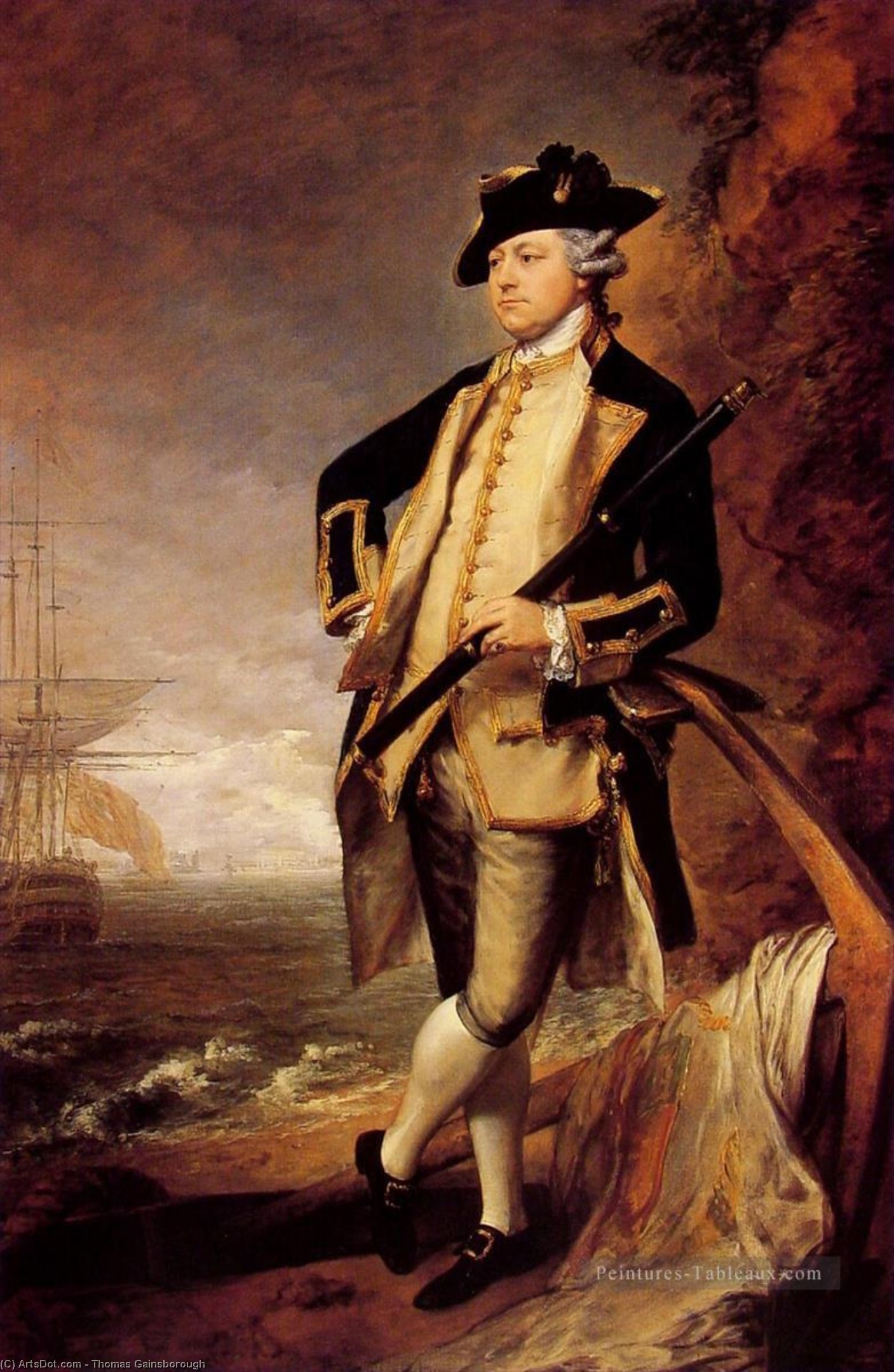
Augustus John, third Earl of Briston
 Oil On Canvas
- WallArt
- Rococo
 1768
1768- 19th Century
 232.0 x 152.0 cm
 Read More
Purchase a high-resolution, enhanced digital image, far superior to the online preview.
Each file is meticulously prepared by our in-house specialists using advanced tools and expert manual retouching. We ensure every image has exceptional clarity, precise color accuracy, and fine detail.
The final file is delivered via email within 72 hours, optimized for immediate use in professional, editorial, and print environments. This is the same quality trusted by top-tier design studios, publishers, and galleries.
Digital Image
Download a high-resolution file for personal display, printing, and creative projects. ( Buy Print Buy Hand Made Painting)
Included in Every Digital Image Order
Expert Digital Delivery, Guaranteed
When you choose ArtsDot.com, you're not just getting an image - you're receiving a professionally enhanced digital artwork, crafted with precision and backed by a satisfaction guarantee. Here's everything that comes with your order, automatically:

Fast Email Delivery
Your high-resolution digital image file will be emailed to you within 72 hours of ordering - ready for immediate use.

AI-Enhanced Digital File
Your artwork is professionally optimized using advanced AI tools and manual editing, ensuring maximum detail, clarity, and color accuracy.

Free Lifetime Re-Delivery
Accidentally deleted or lost your file? No worries - we'll resend it to you anytime, free of charge.

No Import Fees - Ever
Enjoy your artwork instantly with zero customs, duties, or delivery fees - digital downloads are always tax-free.

Color Accuracy Guarantee
We ensure your digital image reflects the original colors as closely as possible using professional tools and color management.

60-Day Satisfaction Guarantee
If you're not satisfied with your digital image, we'll revise it or refund 100% within 60 days - no questions asked.

100% Money-Back Guarantee
Not satisfied? Get a full refund within 60 days of receiving your digital file - no questions asked.

Bulk Order Discounts
Buy 3 images, save 10% - Buy 5, save 15% - Buy 10+, save 20%. Great for creative projects, galleries, and agencies.
Collectible Description
Thomas Gainsborough’s ‘Augustus John, Third Earl of Briston’: A Portrait of Power and Peril
Thomas Gainsborough's “Augustus John, Third Earl of Briston,” painted in 1768, is more than a simple portrait; it’s a meticulously crafted tableau of the 18th century’s fascination with military prowess and aristocratic identity. Measuring 232 x 152 cm, this oil on canvas work immediately commands attention with its dramatic composition and evocative depiction of a man poised at the edge of both fortune and danger. The subject, Augustus John himself, is presented in full military regalia – a testament to his rank and the era’s obsession with martial virtue – standing confidently on a windswept cliff overlooking a turbulent sea.
- Rococo Style & Composition: The painting exemplifies the hallmarks of the Rococo style, characterized by its elegant lines, soft brushwork, and emphasis on light and shadow. Gainsborough masterfully employs these techniques to create a sense of depth and movement, drawing the viewer’s eye across the canvas from the imposing figure of the Earl to the distant boats battling the waves.
- Symbolism of the Landscape: The dramatic seascape isn't merely a backdrop; it’s laden with symbolic weight. The turbulent ocean represents the uncertainties of life and war, while the cliffs suggest both strength and vulnerability. The presence of boats – some sleek and purposeful, others struggling against the elements – speaks to themes of ambition, navigation, and ultimately, mortality.
Technique & Materials: A Window into Gainsborough’s Craft
Gainsborough's skill as a colorist is immediately apparent in “Augustus John, Third Earl of Briston.” He utilizes a palette dominated by cool blues and greens to convey the mood of the sea, contrasted with warmer tones in the figure’s uniform. The artist’s brushwork is loose yet controlled, creating a sense of texture and immediacy. Note the subtle modeling of the muscles beneath the Earl's clothing, achieved through careful layering of paint – a hallmark of Gainsborough’s technique. The canvas itself, primed with oil-based mediums, allowed for rich color saturation and a luminous finish, qualities that have endured remarkably well over the centuries.
Historical Context & The Holburne Museum
Created during a period of significant political and military upheaval in Britain, “Augustus John, Third Earl of Briston” reflects the nation’s preoccupation with its standing army. The painting's subject, an officer of the 4th Regiment of Foot, embodies the ideals of courage, loyalty, and service expected of gentlemen during this era. While not currently part of the permanent collection at the Holburne Museum in Bath – a key institution for understanding Gainsborough’s work – the painting’s themes resonate deeply with the museum's broader focus on 18th-century British art and decorative arts.
Collecting & Appreciation: A Timeless Masterpiece
Reproductions of “Augustus John, Third Earl of Briston” offer a remarkable opportunity to own a piece of art history. The painting’s enduring appeal lies in its perfect blend of elegance, drama, and historical significance. It is a captivating portrait that speaks to the complexities of power, ambition, and the human condition – qualities that continue to resonate with viewers today. Consider this artwork not just as an image, but as a window into a pivotal moment in British art and history.
Related Artworks
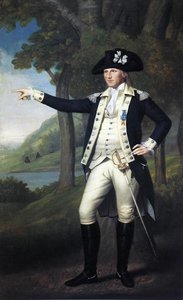
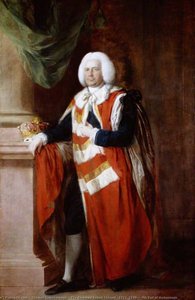
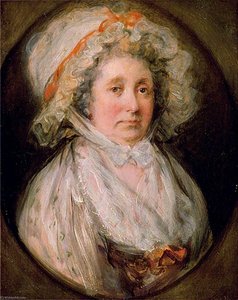
Artist Biography
A Suffolk Beginning: The Early Life and Artistic Awakening
The story of Thomas Gainsborough, one of Britain’s most celebrated artists, unfolds not within the confines of a grand academy or bustling metropolis, but in the tranquil market town of Sudbury, Suffolk. Born in 1727, the youngest son of John Gainsborough, a weaver and wool merchant, young Thomas displayed an innate artistic sensibility from a remarkably early age. While his siblings pursued more conventional paths, Thomas’s world rapidly became consumed by drawing and painting – miniature self-portraits and delicate landscapes blossoming from his hand even before he reached ten years old. This precocious talent wasn't merely a childhood pastime; it was the burgeoning of a vision that would reshape British art. His father, recognizing this unique gift, encouraged its development, setting young Thomas on a path diverging sharply from the family trade. The Suffolk countryside itself became his first studio, imbuing his later works with a deep and abiding love for the natural world – a characteristic that would distinguish him throughout his career. This early immersion in landscape wasn’t simply about replicating what he saw; it was about *feeling* the essence of the English countryside, an emotional resonance that would permeate his canvases for decades to come.London and the Shaping of a Style: Influences and Early Commissions
In 1740, at the age of thirteen, Gainsborough journeyed to London, embarking on formal artistic training under Hubert Gravelot, a French engraver renowned for his elegant rococo style. This exposure proved pivotal, introducing him to refined techniques and fashionable aesthetics. However, it was his association with William Hogarth and the St Martin’s Lane Academy that truly began to mold his artistic identity. Initially influenced by Hogarth's narrative approach, Gainsborough soon charted his own course, developing a distinctive style characterized by its lightness of touch, fluid brushwork, and subtle color palettes. He absorbed lessons from various masters, yet resisted strict adherence to any single school, forging a path that blended observation with imagination. Returning to Sudbury after marrying Margaret Burr in 1746, Gainsborough established himself as a portraitist for the local gentry. This period honed his skills in capturing likenesses and character, but it was during his subsequent move to Ipswich, and later Bath, that he began attracting a more sophisticated clientele – individuals who appreciated not just accurate representation, but also artistic flair and emotional depth.Bath and Beyond: Portraiture, Landscape, and Royal Patronage
The years spent in Bath (1759-1774) marked a significant turning point in Gainsborough’s career. The city was a hub of fashionable society, providing him with ample opportunities to paint portraits of the wealthy and influential. He quickly gained renown for his ability to capture not only physical resemblance but also the personality and social standing of his sitters. His portraits weren't merely depictions; they were statements about identity and status. However, even amidst the demands of portraiture, Gainsborough never abandoned his passion for landscape painting. In fact, he often seamlessly integrated landscapes into his portraits, creating compositions that celebrated both human subjects and the beauty of the natural world. This innovative approach – a hallmark of his style – set him apart from many of his contemporaries. The culmination of his success came with his move to London in 1774, where he established a studio on Pall Mall and became a founding member of the Royal Academy. He also secured royal patronage, becoming a favorite painter of King George III and Queen Charlotte, further solidifying his position as one of Britain’s leading artists. Mrs. Thomas Gainsborough, painted in 1785, exemplifies this period – an elegant portrait showcasing rococo style and muted tones.A Legacy of Innovation: Enduring Appeal and Influence
Thomas Gainsborough died in 1788, leaving behind a body of work that continues to captivate audiences today. His influence on subsequent generations of British artists is undeniable. He liberated portraiture from rigid formality, infusing it with spontaneity and emotional resonance. His loose brushwork and atmospheric effects paved the way for the Impressionists, while his lyrical landscapes inspired artists like John Constable, who deeply admired Gainsborough’s ability to capture the spirit of the English countryside. Gainsborough's legacy extends beyond technique; it lies in his profound understanding of human character and his unwavering commitment to artistic expression. He wasn’t simply a painter of portraits or landscapes; he was a storyteller, a poet of light and color, and a visionary who transformed British art.Exploring Gainsborough's World Today
Fortunately, the opportunity to experience Gainsborough’s genius firsthand remains readily available. Gainsborough’s House, in his birthplace of Sudbury, stands as a testament to his life and work, offering visitors an intimate glimpse into his early influences and artistic development. Christchurch Mansion in Ipswich houses a significant collection of Gainsborough paintings alongside works by Constable and other masters. Numerous museums across the United Kingdom and internationally display his masterpieces, including the National Gallery in London and the Metropolitan Museum of Art in New York. His work continues to be studied, analyzed, and celebrated, ensuring that his artistic vision will endure for generations to come. The enduring appeal of Gainsborough’s art lies not only in its technical brilliance but also in its timeless beauty and emotional depth – qualities that resonate with viewers across centuries. His paintings are a testament to the power of observation, imagination, and the enduring allure of the English landscape.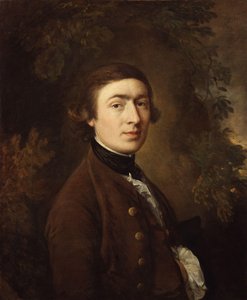
Thomas Gainsborough
1727 - 1788 , United Kingdom
Quick Facts
- Artistic Movement Or Style: Rococo, Portraiture
- Artists Or Movements Influenced By This Artist:
- John Constable
- Impressionists
- Artists Who Influenced This Artist:
- Hubert Gravelot
- William Hogarth
- Date Of Birth: 1727
- Date Of Death: 1788
- Full Name: Thomas Gainsborough
- Nationality: British
- Notable Artworks:
- Mrs. Thomas Gainsborough
- Mr and Mrs Andrews
- Place Of Birth (City And Country): Sudbury, UK

