 Preview
 Send
Send Share
Share
 Details

 Download
 Similars
 X-Ray
X-Ray Diaporama
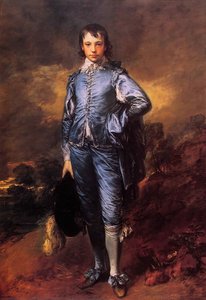
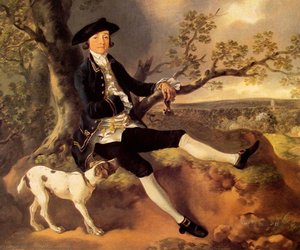
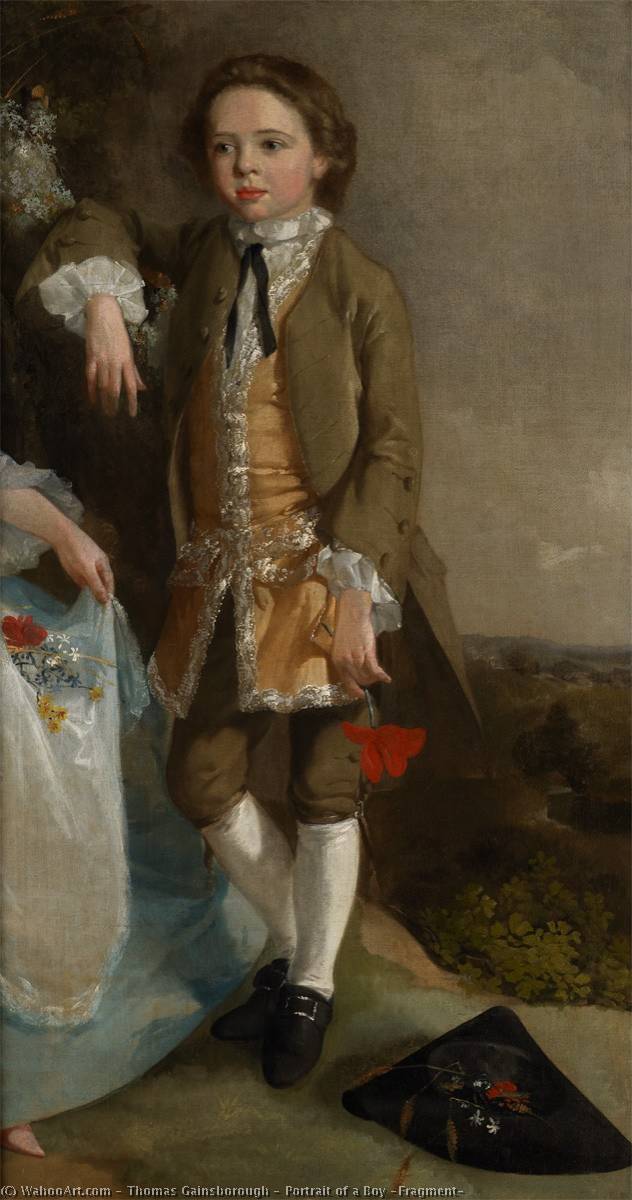
Portrait of a Boy (Fragment)
 Oil On Canvas
- WallArt
- Romanticism
 1744
1744- 19th Century
 133.0 x 72.0 cm
 Gainsborough's House
 Read More
Hand Made Oil Reproduction
Hand-painted oil on canvas in your size and frame, made to order by our artists. ( Buy Print Buy Image)




P118B $10

P118H $10

P118W $10

P438Z $10

P508JH $12

P508YH $12

P805H $10

P805Z $10

P919BZ $10

P919G $10

P919XJ $10

P959ZH $10

P968JZ $12

W106C $8

W218G $10

W218JH $8

W218Y $10

W307PJ $10

W316G $10

W316PJ $8

W316Y $10

W398PJ $8

W4111J $10

W500HY $15

W500JH $15

W692G $12

W849H $8

W940BG $15

W953PJ $8




Pick from our preset sizes that match the artwork's original proportions.

You may enter your own dimensions to fit a specific frame or space. If your selected size does not match the original image's proportions, we will either crop the artwork or extend the painting with additional hand-painted elements. A digital mockup will be sent for your approval before production begins.
Please note that the on-screen preview does not reflect the actual cropping or extension. Only the mockup will accurately show the final composition.
While custom sizes are available, we recommend selecting a dimension from the predefined list to preserve the original proportions.
After order, ArtsDot.com team will email client for instructions and provide a mockup preview
Worldwide Delivery () in 3/4 weeks instead of standard 5 weeks. (24 August). No compromise on quality.

Free Worldwide Express Shipping

High-Quality Linen Canvas

Full Shipping Insurance

Customs Tax Refund Guarantee

True Color Matching Guarantee

60-Day Return Policy (Defects Only)

100% Money-Back Guarantee

Bulk Discount Offer
 Glass option is only available in size under 110 CM

Portrait of a Boy (Fragment)
Reproduction Medium
Reproduction Size
-


Total Price
$ 263
Artwork Description
A Moment of Suffolk Innocence: Gainsborough’s ‘Portrait of a Boy (Fragment)’
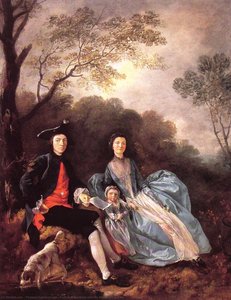
Thomas Gainsborough's 1744 “Portrait of a Boy (Fragment)” is more than just a depiction of two children; it’s a poignant distillation of the burgeoning ideals of Georgian England, captured with the artist’s signature blend of naturalism and aristocratic sensibility. Painted during a pivotal period in Gainsborough’s career – a time when he was transitioning from the provincial landscapes that initially defined his work to embracing portraiture and exploring themes of social status – this small canvas offers a remarkable glimpse into the world of a wealthy Suffolk family. The fragment itself, measuring 133 x 72 cm, intensifies the feeling of discovery, inviting the viewer to complete the narrative and contemplate the lives glimpsed within.
Subject and Composition
The painting centers on two young children – a boy and a girl – presented in a relaxed yet formally posed manner. The boy, smartly dressed in a tailored suit and tie, leans casually with his hand tucked into his pocket, an affectation of youthful nonchalance that speaks to the emerging trends in portraiture. His companion, the girl, stands beside him, equally well-attired, suggesting a shared status within their family’s social circle. The composition is deceptively simple, yet Gainsborough masterfully employs spatial relationships and subtle gestures to convey a sense of intimacy and connection between the subjects. The inclusion of a perched bird – a common motif in Gainsborough's work symbolizing liberty and freedom – adds an element of whimsical charm, while the handbag and book subtly hint at the education and aspirations associated with their social standing.
Technique and Style
Executed in oil on canvas, “Portrait of a Boy (Fragment)” exemplifies Gainsborough’s evolving artistic style. While retaining his characteristic attention to detail – particularly evident in the rendering of the children's clothing and facial features – he employs looser brushwork and brighter colors than some of his earlier works. This shift reflects his growing interest in capturing fleeting moments and conveying mood rather than adhering strictly to academic conventions. The use of light is particularly noteworthy, bathing the scene in a soft, diffused glow that enhances the sense of warmth and tranquility. Gainsborough’s ability to capture subtle nuances of expression – a slight smile on the boy's face, a thoughtful gaze from the girl – elevates this work beyond a mere likeness, transforming it into a study of character.
Historical Context and Symbolism
Created in 1744, “Portrait of a Boy (Fragment)” reflects the social and cultural landscape of Georgian England. The portrait’s subject matter – wealthy children from a landed family – speaks to the growing importance of lineage and social standing during this period. Gainsborough was increasingly commissioned by members of the gentry and aristocracy, reflecting their desire to document their status and legacy. The inclusion of objects like the book and handbag further reinforces these themes, suggesting an upbringing steeped in privilege and education. The painting’s quiet elegance and understated charm align with the prevailing aesthetic sensibilities of the time, which valued restraint and good taste.
Emotional Impact and Artistic Value
Despite its fragmentary nature, “Portrait of a Boy (Fragment)” possesses a remarkable emotional resonance. The painting evokes a sense of nostalgia for a bygone era, capturing the innocence and charm of childhood in a world defined by social hierarchy and aristocratic values. It’s a testament to Gainsborough's ability to imbue his subjects with personality and humanity, inviting viewers to connect with their story on a deeply personal level. A hand-painted reproduction of this captivating work offers an unparalleled opportunity to bring a touch of Georgian elegance into any interior space, serving as both a beautiful object of art and a window into the rich history of British painting.
Related Artworks
Artist Biography
A Suffolk Beginning: The Early Life and Artistic Awakening
The story of Thomas Gainsborough, one of Britain’s most celebrated artists, unfolds not within the confines of a grand academy or bustling metropolis, but in the tranquil market town of Sudbury, Suffolk. Born in 1727, the youngest son of John Gainsborough, a weaver and wool merchant, young Thomas displayed an innate artistic sensibility from a remarkably early age. While his siblings pursued more conventional paths, Thomas’s world rapidly became consumed by drawing and painting – miniature self-portraits and delicate landscapes blossoming from his hand even before he reached ten years old. This precocious talent wasn't merely a childhood pastime; it was the burgeoning of a vision that would reshape British art. His father, recognizing this unique gift, encouraged its development, setting young Thomas on a path diverging sharply from the family trade. The Suffolk countryside itself became his first studio, imbuing his later works with a deep and abiding love for the natural world – a characteristic that would distinguish him throughout his career. This early immersion in landscape wasn’t simply about replicating what he saw; it was about *feeling* the essence of the English countryside, an emotional resonance that would permeate his canvases for decades to come.London and the Shaping of a Style: Influences and Early Commissions
In 1740, at the age of thirteen, Gainsborough journeyed to London, embarking on formal artistic training under Hubert Gravelot, a French engraver renowned for his elegant rococo style. This exposure proved pivotal, introducing him to refined techniques and fashionable aesthetics. However, it was his association with William Hogarth and the St Martin’s Lane Academy that truly began to mold his artistic identity. Initially influenced by Hogarth's narrative approach, Gainsborough soon charted his own course, developing a distinctive style characterized by its lightness of touch, fluid brushwork, and subtle color palettes. He absorbed lessons from various masters, yet resisted strict adherence to any single school, forging a path that blended observation with imagination. Returning to Sudbury after marrying Margaret Burr in 1746, Gainsborough established himself as a portraitist for the local gentry. This period honed his skills in capturing likenesses and character, but it was during his subsequent move to Ipswich, and later Bath, that he began attracting a more sophisticated clientele – individuals who appreciated not just accurate representation, but also artistic flair and emotional depth.Bath and Beyond: Portraiture, Landscape, and Royal Patronage
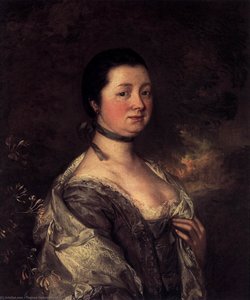
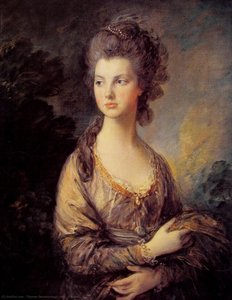
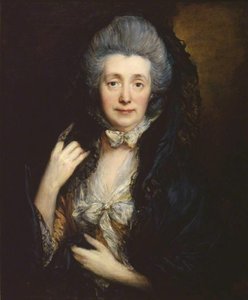
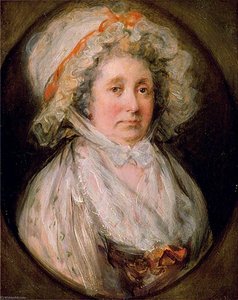
The years spent in Bath (1759-1774) marked a significant turning point in Gainsborough’s career. The city was a hub of fashionable society, providing him with ample opportunities to paint portraits of the wealthy and influential. He quickly gained renown for his ability to capture not only physical resemblance but also the personality and social standing of his sitters. His portraits weren't merely depictions; they were statements about identity and status. However, even amidst the demands of portraiture, Gainsborough never abandoned his passion for landscape painting. In fact, he often seamlessly integrated landscapes into his portraits, creating compositions that celebrated both human subjects and the beauty of the natural world. This innovative approach – a hallmark of his style – set him apart from many of his contemporaries. The culmination of his success came with his move to London in 1774, where he established a studio on Pall Mall and became a founding member of the Royal Academy. He also secured royal patronage, becoming a favorite painter of King George III and Queen Charlotte, further solidifying his position as one of Britain’s leading artists. Mrs. Thomas Gainsborough, painted in 1785, exemplifies this period – an elegant portrait showcasing rococo style and muted tones.A Legacy of Innovation: Enduring Appeal and Influence
Thomas Gainsborough died in 1788, leaving behind a body of work that continues to captivate audiences today. His influence on subsequent generations of British artists is undeniable. He liberated portraiture from rigid formality, infusing it with spontaneity and emotional resonance. His loose brushwork and atmospheric effects paved the way for the Impressionists, while his lyrical landscapes inspired artists like John Constable, who deeply admired Gainsborough’s ability to capture the spirit of the English countryside. Gainsborough's legacy extends beyond technique; it lies in his profound understanding of human character and his unwavering commitment to artistic expression. He wasn’t simply a painter of portraits or landscapes; he was a storyteller, a poet of light and color, and a visionary who transformed British art.Exploring Gainsborough's World Today
Fortunately, the opportunity to experience Gainsborough’s genius firsthand remains readily available. Gainsborough’s House, in his birthplace of Sudbury, stands as a testament to his life and work, offering visitors an intimate glimpse into his early influences and artistic development. Christchurch Mansion in Ipswich houses a significant collection of Gainsborough paintings alongside works by Constable and other masters. Numerous museums across the United Kingdom and internationally display his masterpieces, including the National Gallery in London and the Metropolitan Museum of Art in New York. His work continues to be studied, analyzed, and celebrated, ensuring that his artistic vision will endure for generations to come. The enduring appeal of Gainsborough’s art lies not only in its technical brilliance but also in its timeless beauty and emotional depth – qualities that resonate with viewers across centuries. His paintings are a testament to the power of observation, imagination, and the enduring allure of the English landscape.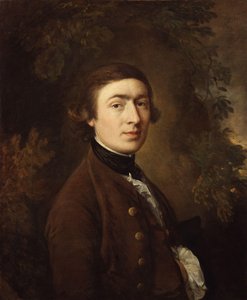
Thomas Gainsborough
1727 - 1788 , United Kingdom
Quick Facts
- Artistic Movement Or Style: Rococo, Portraiture
- Artists Or Movements Influenced By This Artist:
- John Constable
- Impressionists
- Artists Who Influenced This Artist:
- Hubert Gravelot
- William Hogarth
- Date Of Birth: 1727
- Date Of Death: 1788
- Full Name: Thomas Gainsborough
- Nationality: British
- Notable Artworks:
- Mrs. Thomas Gainsborough
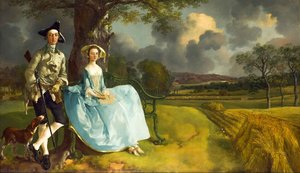
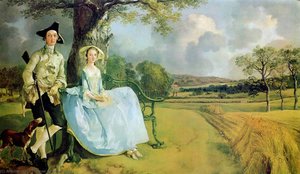
- Mr and Mrs Andrews
- Place Of Birth (City And Country): Sudbury, UK
Related Articles
Thomas Hudson: A Study in 18th-Century Portraiture & British Artistic Identity
Explore the life & work of Thomas Hudson, a leading 18th-century British portraitist. Discover his mastery of the 'Grand Manner,' influential style, and lasting impact on British art. Learn about his notable portraits like Judge William Noel & Alexander Van Aken.
18th Century Masters: 10 Artworks That Define an Era | ArtsDot
Journey through 18th century art! Explore 10 iconic paintings – from Rococo elegance to Neoclassical grandeur. Discover Fragonard, David & more. Find museum-quality reproductions and elevate your home decor on ArtsDot.com.
Thomas Luny (1759–1837): Maritime Mastery & the Evolution of British Marine Painting
Explore the captivating world of Thomas Luny (1759–1837), a celebrated British marine artist. Discover his dramatic naval scenes, detailed ship portraits & lasting legacy. Learn about his life, influences & artworks.
British Museum Masterpieces: Explore 25 Iconic Artworks & Decor Inspiration
Journey through 25 iconic artworks at the British Museum, London! Explore masterpieces from Egyptian sculptures to Renaissance paintings & uncover their stories. Find museum-quality art reproductions and curated decor ideas on ArtsDot.com.
Thomas Stuart Smith: A Study in British Impressionism & the Poetic Landscape
Explore the captivating world of Thomas Stuart Smith (1815-1869), a Scottish painter bridging Romantic realism and British Impressionism. Discover his genre scenes, philanthropic legacy & stunning interiors.