 Preview
 Send
Send Share
Share
 Details

 Download
 Similars
 X-Ray
X-Ray Diaporama
 Stats
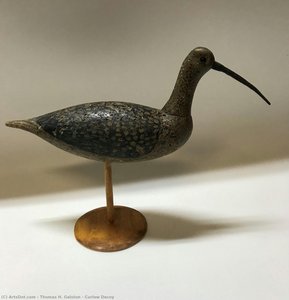
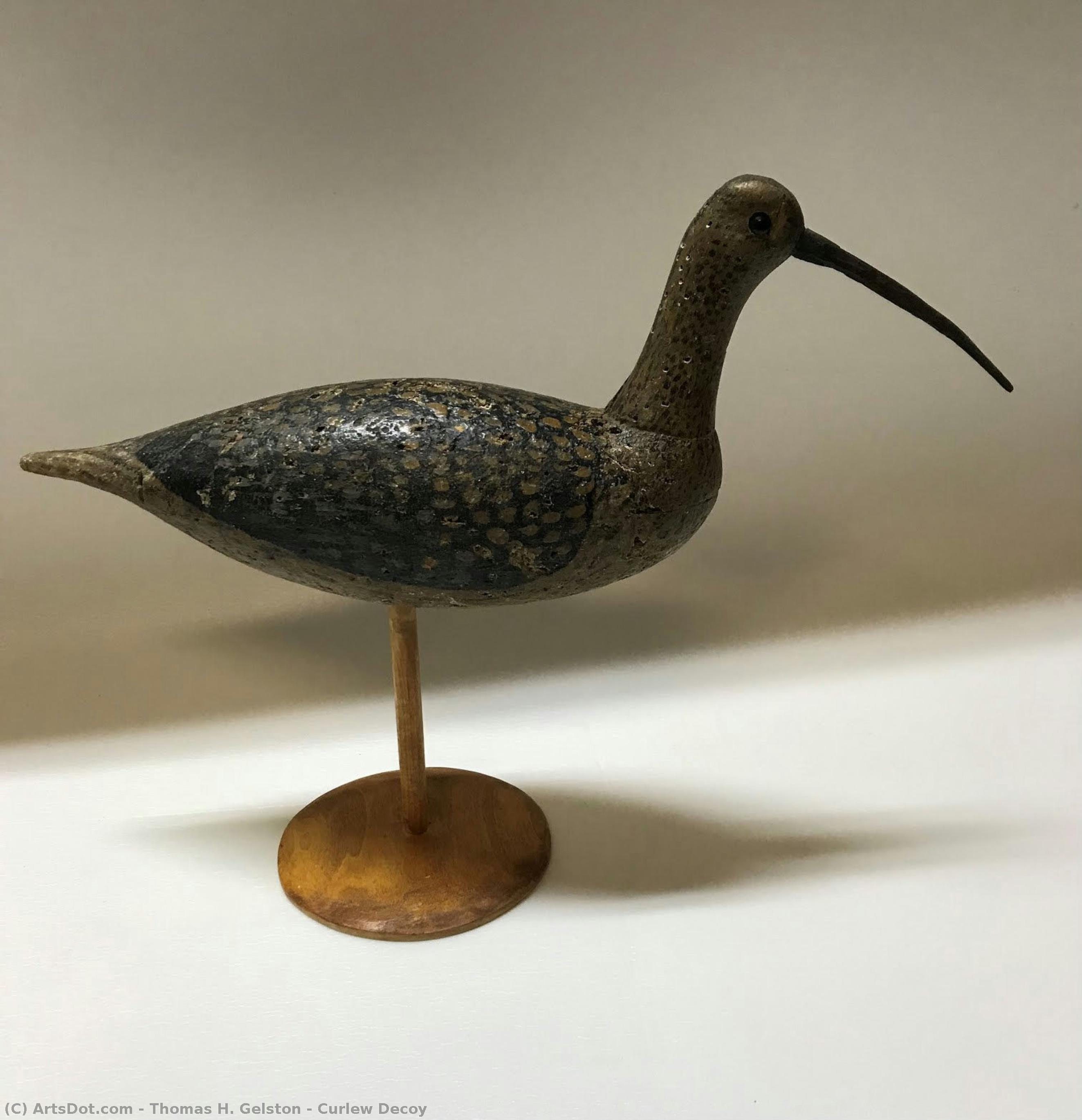
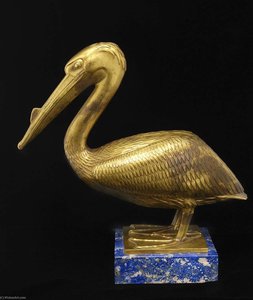
StatsCurlew Decoy

 Read More
Giclée / Art Print
Museum-quality giclée or canvas print with fast production and flexible finish options. ( Buy Hand Made Painting Switch to Digital Image)




































Pick from our preset sizes that match the artwork's original proportions.

You may enter your own dimensions to fit a specific frame or space. If your selected size does not match the original image's proportions, we will either crop the artwork or extend the image with a mirrored or solid-fill edge. A digital mockup will be sent for your approval before production begins.
Please note that the on-screen preview does not reflect the actual cropping or extension. Only the mockup will accurately show the final composition.
While custom sizes are available, we recommend selecting a dimension from the predefined list to preserve the original proportions.
Worldwide Delivery () in 2 weeks instead of standard 4/5 weeks. (11 September)

Free Worldwide Express Shipping

High-Quality Linen Canvas

Full Shipping Insurance

Customs Tax Refund Guarantee

True Color Matching Guarantee

100-Day Return Policy (Defects Only)

100% Money-Back Guarantee

Bulk Discount Offer
 Glass option is only available in size under 110 CM

Curlew Decoy
Giclée / Art Print
Reproduction Size
-


Total Price
$ 63
Related Artworks







Artist Biography
A Life Carved in Marshland: The Story of Thomas H. Gelston
Thomas H. Gelston, born in 1851 in the idyllic setting of Oyster Bay, Long Island, was not a painter striving for grand historical narratives or portraits of societal elites. His canvas was the natural world, specifically the rich coastal marshes and bays surrounding his home, and his medium was wood – transformed into remarkably lifelike wildfowl decoys. While he lived a life seemingly touched by privilege as a descendant of a prominent Long Island family, Gelston’s true passion lay not in business or social pursuits but in the art of hunting and, crucially, in meticulously crafting the tools that enabled it. He passed away in 1924, leaving behind a legacy that would only fully blossom decades later, when collectors began to recognize the extraordinary skill and artistry embedded within his deceptively simple carvings.From Gunning Field to Collector’s Showcase
Gelston's early life was steeped in the traditions of Long Island sportsmen. He favored the solitude and challenge of hunting the marshes over a conventional career path, developing an intimate understanding of wildfowl behavior and anatomy through countless hours spent observing these creatures in their natural habitat. This deep connection informed his carving process; he wasn’t merely replicating birds, but embodying their essence. Initially, Gelston carved decoys for his own use, functional tools designed to lure ducks and shorebirds within range. However, his talent soon attracted the attention of wealthy city sportsmen who frequented Long Island's exclusive hunting clubs. He began accepting commissions, crafting decoys not just for practicality but as objects of refined artistry. Later in life, Gelston and his son George established a relationship with Abercrombie & Fitch, supplying them with decoys for their discerning clientele. This connection brought wider recognition, though the full extent of his artistic importance wouldn’t be realized until long after his death.The Artistry of Shaping: A Distinguishing Style
What sets Gelston apart from other decoy carvers is not simply the realism of his work—many skilled artisans produced convincing representations of wildfowl—but rather the exceptional quality of his shaping, particularly in the heads of his shorebird decoys. He possessed an uncanny ability to capture the subtle nuances of form and expression, imbuing each carving with a unique personality. His decoys weren’t static objects; they seemed poised for flight or alert observation, radiating a sense of life that transcended their wooden origins. Gelston worked in both wood and cork, demonstrating versatility and adaptability. He favored a smooth, flowing style, avoiding excessive detail in favor of elegant lines and carefully considered proportions. This emphasis on form over ornamentation is what ultimately distinguishes his work and contributes to its enduring appeal.A Rising Reputation: Decoys as Fine Art
For decades after Gelston’s passing, his decoys remained largely within the realm of sporting collectibles. However, in recent years, a growing appreciation for American folk art has propelled his work into the spotlight. Today, Gelston's decoys are highly sought-after by collectors and museums alike, consistently achieving top prices at auction. His pieces frequently appear on lists of the “Top 50 Decoys Ever Sold,” solidifying his position as one of the most important wildfowl carvers in American history. This newfound recognition is not merely a matter of monetary value; it reflects a deeper understanding of Gelston’s artistic skill and the cultural significance of his work. His decoys are now viewed not simply as hunting tools but as sculptures—expressions of artistry, craftsmanship, and a profound connection to the natural world.Historical Significance: Echoes of a Vanishing Landscape
Thomas H. Gelston’s legacy extends beyond the realm of art; his decoys offer a glimpse into a vanishing way of life. They represent a time when hunting was intimately connected to the land, and artisans possessed a deep understanding of natural ecosystems. His work serves as a reminder of the rich biodiversity that once characterized Long Island's marshes and bays—a landscape irrevocably altered by development and changing environmental conditions. Gelston’s decoys are not just beautiful objects; they are historical artifacts, embodying a cultural heritage and prompting reflection on our relationship with the natural world. They stand as testaments to the skill of a self-taught artist who found inspiration in the wild beauty surrounding him, leaving behind a legacy that continues to captivate and inspire generations.
thomas h. gelston
1851 - 1924 , United States of America
Quick Facts
- Artistic Movement Or Style: Decoy carving
- Date Of Birth: 1851
- Date Of Death: 1924
- Full Name: Thomas H. Gelston
- Nationality: American
- Notable Artworks: ['Shorebird decoys']
- Place Of Birth: Oyster Bay, USA