 Preview
 Send
Send Share
Share
 Details

 Download
 Similars
 X-Ray
X-Ray Diaporama
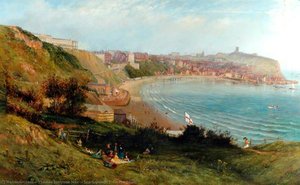
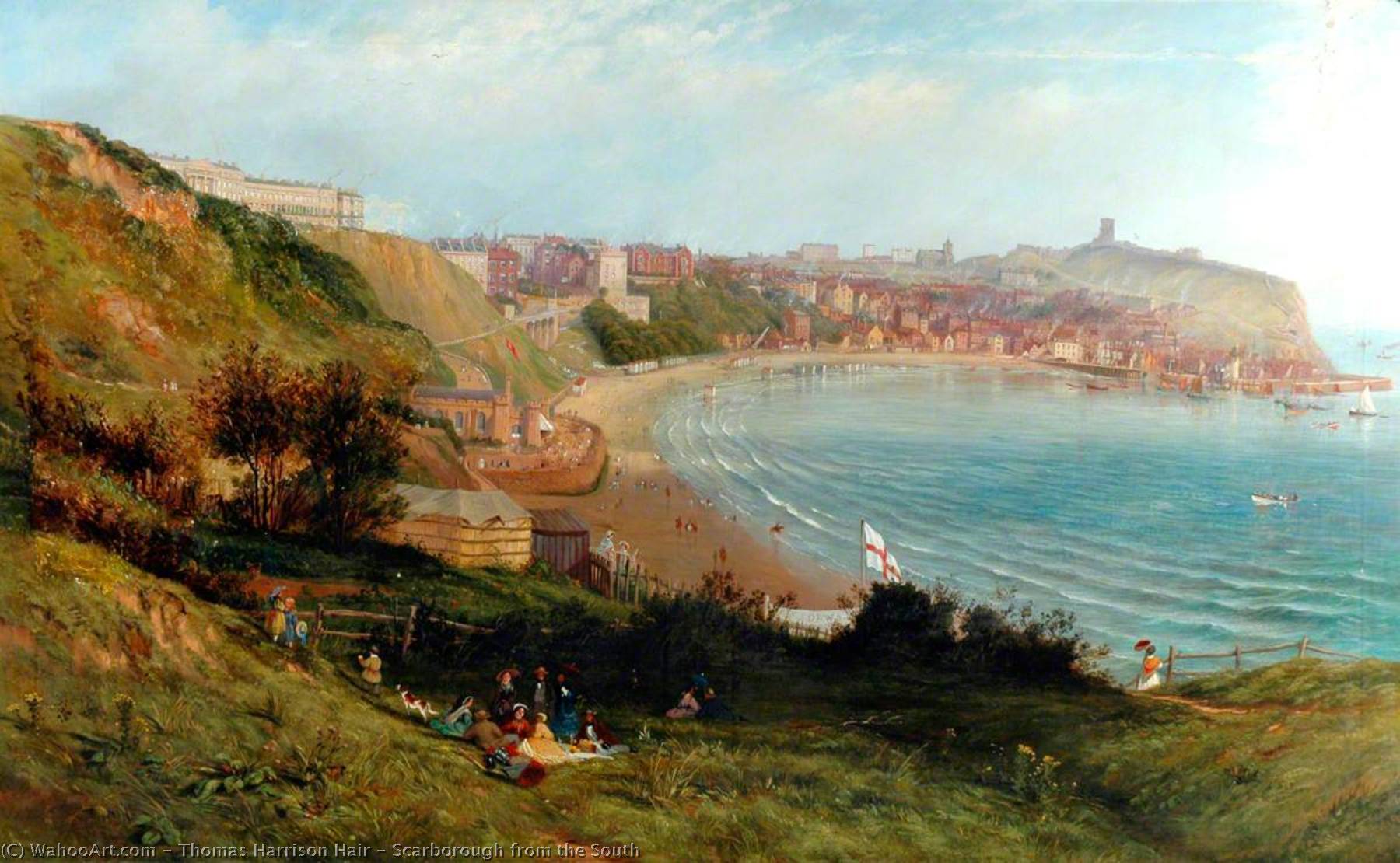
Scarborough from the South
 1857
1857 73.0 x 120.0 cm
 Read More
Hand Made Oil Reproduction
Hand-painted oil on canvas in your size and frame, made to order by our artists. ( Buy Print Buy Image)




































Pick from our preset sizes that match the artwork's original proportions.

You may enter your own dimensions to fit a specific frame or space. If your selected size does not match the original image's proportions, we will either crop the artwork or extend the painting with additional hand-painted elements. A digital mockup will be sent for your approval before production begins.
Please note that the on-screen preview does not reflect the actual cropping or extension. Only the mockup will accurately show the final composition.
While custom sizes are available, we recommend selecting a dimension from the predefined list to preserve the original proportions.
After order, ArtsDot.com team will email client for instructions and provide a mockup preview
Worldwide Delivery () in 3/4 weeks instead of standard 5 weeks. (25 August). No compromise on quality.

Free Worldwide Express Shipping

High-Quality Linen Canvas

Full Shipping Insurance

Customs Tax Refund Guarantee

True Color Matching Guarantee

60-Day Return Policy (Defects Only)

100% Money-Back Guarantee

Bulk Discount Offer
 Glass option is only available in size under 110 CM

Scarborough from the South
Reproduction Medium
Reproduction Size
-


Total Price
$ 263
Related Artworks









Artist Biography
Thomas Harrison Hair (1810–1875): Witnessing Industry Through Line and Light
Thomas Harrison Hair emerged as a prominent landscape artist during the Victorian era, primarily celebrated for his meticulous depictions of industrial scenes in northeastern England—a visual record unlike many others of its time. Born in Newcastle upon Tyne or Newburn on December 23rd, 1808, he was the son of John Hair, a lamp-black maker and tanner from Scotswood, Newcastle upon Tyne, and Hannah Harrison. Baptized at All Saints’ Church, Newcastle upon Tyne on January 22nd, 1809, his early life remains sparsely documented, suggesting a formative period spent absorbing the craft traditions of his father's trade – specifically engraving and lithography—under the tutelage of Mark Lambert (1781–1855), a Tyneside engraver who had served as assistant to Thomas Bewick (1753–1828), the celebrated wood engraver from Cherryburn, Northumberland. Lambert’s influence instilled in Hair a profound understanding of printmaking techniques and a dedication to capturing detail with remarkable precision—skills that would prove invaluable throughout his artistic career. Moving to London in the late 1830s, Hair embarked on a prolific creative journey, focusing largely on translating the rugged beauty of Northumberland and Durham into evocative etchings. Notably, three of his paintings were showcased at the Royal Academy of Arts between 1841 and 1849, including “Tynedale Fell,” offering panoramic vistas of the Northumberland countryside, and “Bothwell Castle,” a dramatic portrayal of Glasgow’s historic stronghold—demonstrating a willingness to travel extensively across northern Britain beyond merely documenting coal mining communities. His artistic output gained considerable acclaim during his lifetime, particularly for his groundbreaking series of etchings published in "Views of the Collieries ... of Northumberland and Durham" (1844). These prints weren’t simply representations; they were pioneering explorations into how industrial activity shaped the visual landscape—providing unprecedented insight into the daily lives and working conditions of miners and factory laborers. Hair's artistic vision extended beyond mere topographical accuracy; he sought to convey not just what was seen but also *how* it felt – capturing the atmosphere, texture, and emotional resonance of these transformative environments. Hair’s legacy rests largely on his contribution to printmaking history and his ability to transform industrial landscapes into compelling artworks. He skillfully blended meticulous observation with artistic sensitivity, establishing himself as a pivotal figure in documenting Victorian Britain's burgeoning industrial revolution. His work continues to fascinate scholars and collectors alike, serving as a testament to the power of art to illuminate historical realities and evoke enduring impressions.- Major Achievements: Hair’s etchings stand out for their exceptional detail and artistic merit, securing his place among the foremost printmakers of his era.
- Influences: Lambert's training instilled in Hair a mastery of engraving techniques honed by Bewick’s legacy—a foundational influence shaping his artistic style.
Thomas Harrison Hair
1810 - 1875
Quick Facts
- Artistic Movement Or Style: Industrial Landscape Art
- Artists Or Movements Influenced By This Artist: ['Romanticism']
- Artists Who Influenced This Artist: ['Mark Lambert']
- Date Of Birth: 1808-12-23
- Date Of Death: 1875
- Full Name: Thomas Harrison Hair
- Nationality: British
- Notable Artworks:
- Tynedale Fell
- Bothwell Castle
- Hartley Colliery after the Disaster
- Place Of Birth: Newcastle upon Tyne, England