 Preview
 Send
Send Share
Share
 Details

 Download
 Similars
 X-Ray
X-Ray Diaporama
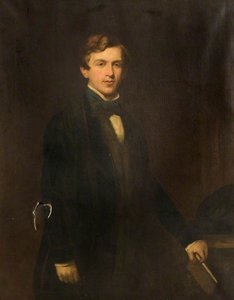
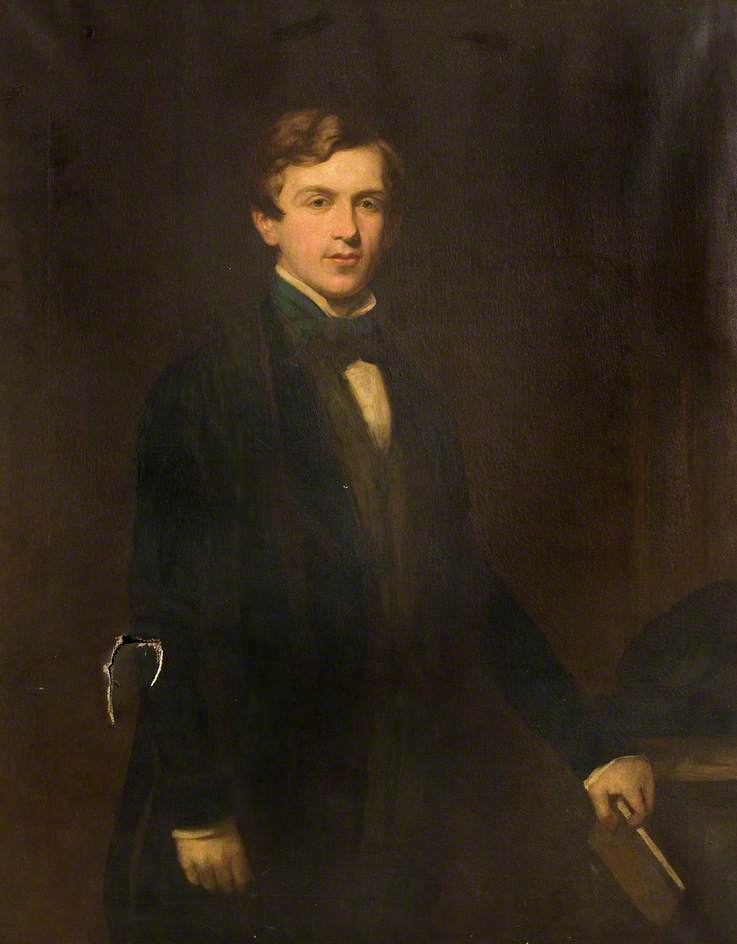
Sir Henry Mather Jackson (1831–1881), Whilst at Oxford
 1850
1850 127.0 x 111.0 cm
 Herbert Art Gallery - Museum
 Read More
Giclée / Art Print
Museum-quality giclée or canvas print with fast production and flexible finish options. ( Buy Hand Made Painting Buy Image)




































Pick from our preset sizes that match the artwork's original proportions.

You may enter your own dimensions to fit a specific frame or space. If your selected size does not match the original image's proportions, we will either crop the artwork or extend the image with a mirrored or solid-fill edge. A digital mockup will be sent for your approval before production begins.
Please note that the on-screen preview does not reflect the actual cropping or extension. Only the mockup will accurately show the final composition.
While custom sizes are available, we recommend selecting a dimension from the predefined list to preserve the original proportions.
Worldwide Delivery () in 2 weeks instead of standard 4/5 weeks. (26 August)

Free Worldwide Express Shipping

High-Quality Linen Canvas

Full Shipping Insurance

Customs Tax Refund Guarantee

True Color Matching Guarantee

60-Day Return Policy (Defects Only)

100% Money-Back Guarantee

Bulk Discount Offer
 Glass option is only available in size under 110 CM

Sir Henry Mather Jackson (1831–1881), Whilst at Oxford
Giclée / Art Print
Reproduction Size
-


Total Price
$ 63
Related Artworks









Artist Biography
Early Life and Artistic Beginnings
Thomas Henry Illidge, born in Birmingham on September 26th, 1799, emerged from humble beginnings that would profoundly shape his artistic trajectory. His family’s roots lay near Nantwich, Cheshire, but a relocation to Manchester proved pivotal. The untimely death of his father cast a long shadow, leaving the young Illidge with limited resources and necessitating an early foray into teaching drawing as a means of support. This practical grounding, however, did little to quell the burgeoning artistic spirit within him. He initially received instruction in Manchester before seeking tutelage from two prominent figures: Mather Brown and William Bradley – artists who would lay the foundation for his future style. Illidge’s early attempts were directed towards landscape painting, a genre that allowed him to connect with the natural world. However, personal circumstances—an early marriage—prompted a pragmatic shift toward portraiture, recognized as a more financially viable path in the burgeoning industrial towns of Lancashire.A Portraitist of Northern Industry
Illidge quickly established himself as a sought-after portrait painter within the vibrant commercial landscape of Lancashire. The region’s rapid industrial growth had fostered a new class of civic and financial leaders, eager to have their likenesses preserved for posterity. Illidge proved adept at capturing not merely physical resemblance but also the character and status of his sitters. His portraits weren't simply representations; they were statements of achievement and social standing. He became a chronicler of this era, documenting the faces that fueled the engine of “Cottonopolis.” From 1827 onwards, he consistently exhibited at the Liverpool Academy, steadily building his reputation and clientele. This period saw him hone his skills in capturing the nuances of human expression and developing a style characterized by meticulous detail and a dignified composure.London Recognition and Artistic Maturity
The year 1842 marked a turning point in Illidge’s career as he relocated to London, seeking wider recognition and opportunities. He wasted no time integrating into the capital's art scene, becoming a regular exhibitor at the prestigious Royal Academy. This move signaled his arrival among the established artistic elite. In 1844, fate intervened with the death of Henry Perronet Briggs, R.A., allowing Illidge to acquire the lease on Briggs’ house in Bruton Street, Berkeley Square – a prime location that solidified his position as a fashionable and popular portraitist. This address became synonymous with quality and refinement, attracting a discerning clientele who valued his ability to create flattering yet insightful portraits.Style, Influences, and Legacy
Illidge’s artistic style was rooted in the traditions of British portraiture, drawing inspiration from artists like Reynolds and Lawrence. However, he infused his work with a distinct sense of realism and attention to detail that reflected his northern upbringing and the practical demands of his early career. His portraits are characterized by a subdued palette, careful lighting, and a focus on conveying the sitter’s personality through subtle gestures and expressions. While influenced by the grand manner of earlier masters, Illidge avoided excessive ornamentation or theatricality, preferring instead to create portraits that were both elegant and accessible. His work offers a fascinating glimpse into the social fabric of 19th-century Britain, particularly the rise of the industrial middle class. Though not as widely celebrated as some of his contemporaries, Illidge’s contribution to portraiture remains significant. His ability to capture the spirit of an era and the character of his sitters ensures his place in the history of British art. He died unexpectedly on May 13th, 1851, leaving behind a substantial body of work that continues to be admired for its technical skill and historical importance.Major Achievements & Historical Significance
Illidge’s primary achievement lies in his successful navigation of the evolving portraiture market during a period of significant social change. He skillfully adapted his style to meet the demands of both regional and London audiences, establishing himself as a respected and sought-after artist. His portraits serve as invaluable historical documents, providing insights into the lives and aspirations of the individuals who shaped 19th-century Britain. Beyond individual commissions, Illidge’s work reflects the broader cultural shifts occurring during his lifetime – the rise of industrial capitalism, the growing importance of civic identity, and the increasing accessibility of art to a wider audience.- Consistent exhibition at both Liverpool Academy (from 1827) and Royal Academy.
- Establishment as a leading portraitist in Lancashire’s manufacturing towns.
- Acquisition of Henry Perronet Briggs' studio, solidifying his London presence.
- Creation of a substantial body of work documenting the social landscape of 19th-century Britain.
Quick Facts
- Artistic Movement Or Style: Portraiture
- Artists Or Movements Influenced By This Artist: ['Royal Academy']
- Artists Who Influenced This Artist:
- Mather Brown
- William Bradley
- Date Of Birth: 26 Sept 1799
- Date Of Death: 13 May 1851
- Full Name: Thomas Henry Illidge
- Nationality: English
- Notable Artworks:
- Lord Stanley
- Sir Joshua Walmsley
- Place Of Birth: Birmingham, UK