 Preview
 Send
Send Share
Share
 Details

 Download
 Similars
 X-Ray
X-Ray Diaporama
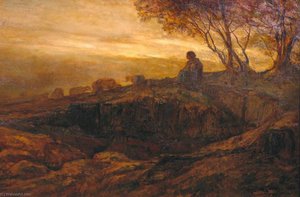
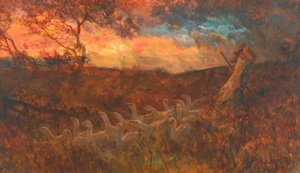
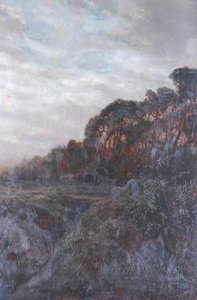
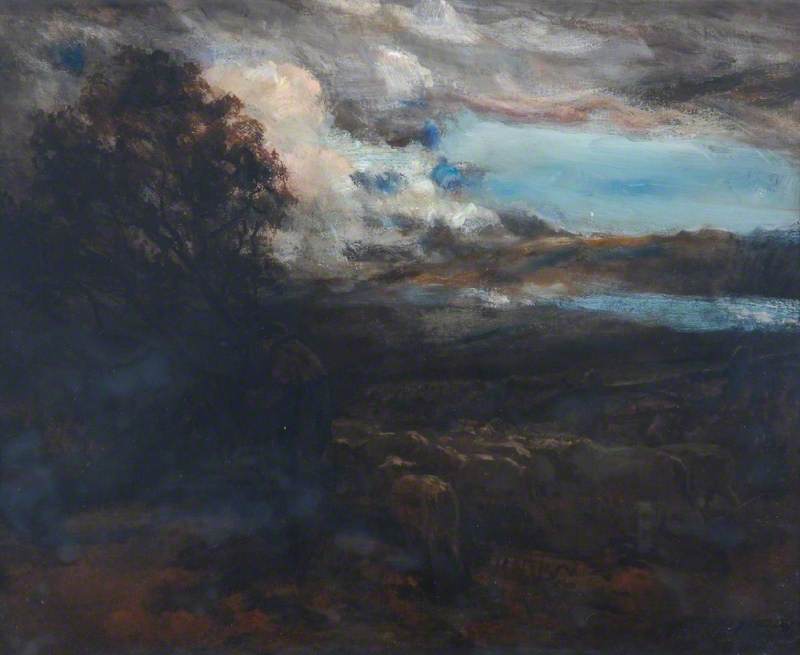
At Shut of Eve
 1896
1896 44.0 x 55.0 cm
 Darlington Library
 Read More
Hand Made Oil Reproduction
Hand-painted oil on canvas in your size and frame, made to order by our artists. ( Buy Print Buy Image)




































Pick from our preset sizes that match the artwork's original proportions.

You may enter your own dimensions to fit a specific frame or space. If your selected size does not match the original image's proportions, we will either crop the artwork or extend the painting with additional hand-painted elements. A digital mockup will be sent for your approval before production begins.
Please note that the on-screen preview does not reflect the actual cropping or extension. Only the mockup will accurately show the final composition.
While custom sizes are available, we recommend selecting a dimension from the predefined list to preserve the original proportions.
After order, ArtsDot.com team will email client for instructions and provide a mockup preview
Worldwide Delivery () in 3/4 weeks instead of standard 5 weeks. (21 August). No compromise on quality.

Free Worldwide Express Shipping

High-Quality Linen Canvas

Full Shipping Insurance

Customs Tax Refund Guarantee

True Color Matching Guarantee

60-Day Return Policy (Defects Only)

100% Money-Back Guarantee

Bulk Discount Offer
 Glass option is only available in size under 110 CM

At Shut of Eve
Reproduction Medium
Reproduction Size
-


Total Price
$ 263
Related Artworks
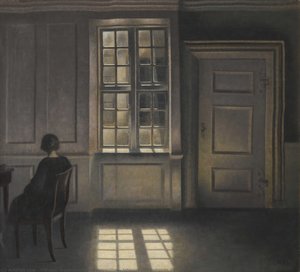
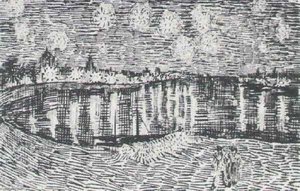
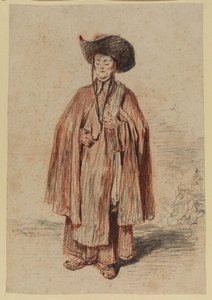
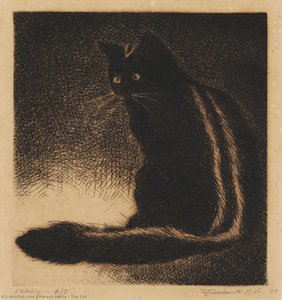
Artist Biography
Thomas Hope McLachlan: Capturing the Soul of Scottish Landscapes
Thomas Hope McLachlan (1845 – 1897) emerged as a prominent figure in Victorian landscape painting, establishing himself as one of Scotland’s foremost artists and earning recognition for his masterful depictions of rural scenes imbued with atmospheric depth and psychological resonance. Born in Edinburgh, McLachlan possessed an innate fascination with the natural world—a passion that would profoundly shape his artistic vision and propel him to international acclaim. His formative years were marked by exposure to influential artistic currents circulating within Scotland’s intellectual elite, fostering a deep appreciation for Romantic ideals and inspiring him to explore themes of solitude, contemplation, and communion with nature. McLachlan's artistic journey began in Paris during the late 1860s, where he honed his skills under the tutelage of Jean-François Millet—a celebrated Impressionist painter whose commitment to portraying everyday life and capturing fleeting moments of beauty served as a crucial catalyst for McLachlan’s stylistic evolution. Millet’s emphasis on tonal subtlety and direct observation instilled in McLachlan a technique characterized by luminous color palettes and meticulous attention to detail, distinguishing him from his contemporaries who favored more decorative approaches. This Parisian influence extended beyond mere technical proficiency; it fostered a philosophical outlook rooted in Romantic sensibilities—a belief that art should strive to convey profound emotional truths about the human condition. Returning to Scotland in 1873, McLachlan established himself as a professor at Glasgow School of Art, nurturing the talents of aspiring painters and disseminating his artistic principles throughout the region. His teaching career coincided with a burgeoning interest in plein air painting—a practice championed by artists like Millet and Frederic Church—which encouraged McLachlan to immerse himself directly within the landscapes he sought to portray. This dedication to observation resulted in canvases that captured not merely visual appearances but also the intangible qualities of light, weather, and mood—elements that conveyed a palpable sense of atmosphere and evoked powerful emotional responses from viewers. McLachlan’s oeuvre comprises approximately 150 paintings—primarily landscapes executed with remarkable sensitivity and technical virtuosity. His subjects ranged from dramatic mountain vistas to tranquil pastoral scenes—each rendered with meticulous precision and infused with an evocative blend of color and texture. Recurring motifs included heather-covered hillsides, misty lochs, and solitary cottages—images that resonated deeply with the spirit of Victorian Scotland and cemented McLachlan’s reputation as a chronicler of rural life. Notable works include “The Isles of the Sea,” “Moorland Scene,” “Pastoral” and “Thomas Hill.” These paintings exemplify McLachlan's distinctive style, characterized by luminous color harmonies and masterful tonal gradations—techniques that achieved an unparalleled level of expressive power. McLachlan’s legacy extends beyond his artistic achievements; he served as a mentor to numerous young artists who would subsequently contribute significantly to the advancement of Scottish art history. His influence can be discerned in the works of painters such as William Birks and John Atkinson Grimshaw—artists who embraced McLachlan's commitment to plein air painting and adopted his stylistic innovations. Furthermore, McLachlan’s unwavering belief in the transformative potential of art—a conviction that resonated throughout his teaching career—continues to inspire artists today. Thomas Hope McLachlan remains a celebrated figure in Victorian landscape painting, remembered for his artistic brilliance, pedagogical dedication, and enduring contribution to Scottish cultural heritage.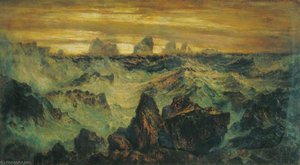
thomas hope mclachlan
1845 - 1897
Quick Facts
- Artistic Movement Or Style: Romanticism
- Artists Or Movements Influenced By This Artist: ['Hudson River School']
- Artists Who Influenced This Artist:
- John Constable
- William Turner
- Date Of Birth: 1845
- Date Of Death: 1897
- Full Name: Thomas Hope McLachlan
- Nationality: Scottish
- Notable Artworks:
- The Isles of the Sea
- Moorland Scene
- Pastoral
- Place Of Birth: Glasgow, Scotland