 Preview
 Send
Send Share
Share
 Details

 Download
 Similars
 X-Ray
X-Ray Diaporama
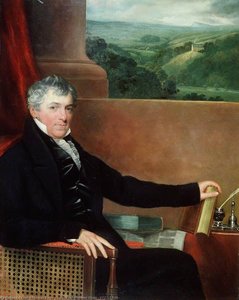
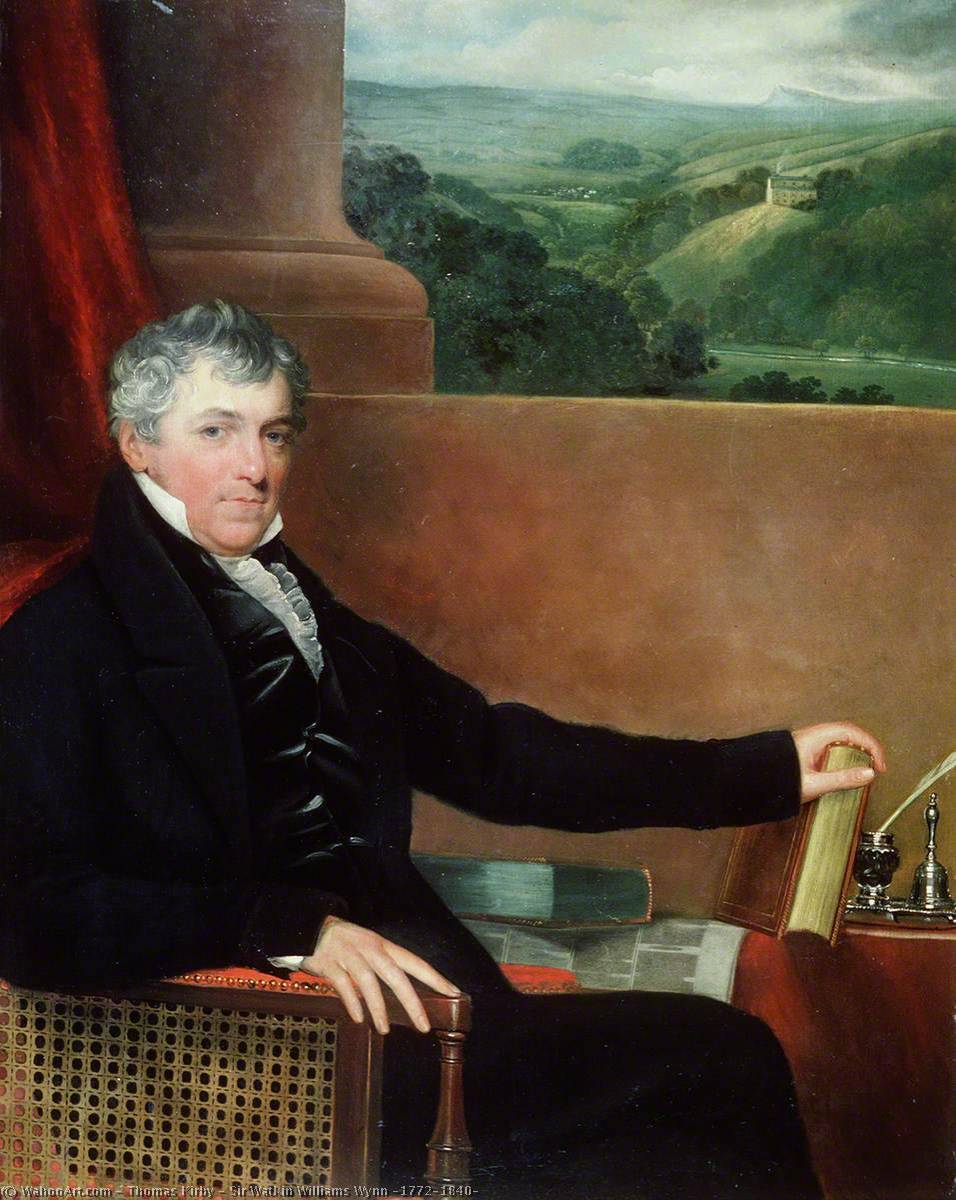
Sir Watkin Williams Wynn (1772–1840)
 1834
1834 125.0 x 100.0 cm
 Llyfrgell Genedlaethol Cymru / The National Library of Wales
 Read More
Hand Made Oil Reproduction
Hand-painted oil on canvas in your size and frame, made to order by our artists. ( Buy Print Buy Image)




































Pick from our preset sizes that match the artwork's original proportions.

You may enter your own dimensions to fit a specific frame or space. If your selected size does not match the original image's proportions, we will either crop the artwork or extend the painting with additional hand-painted elements. A digital mockup will be sent for your approval before production begins.
Please note that the on-screen preview does not reflect the actual cropping or extension. Only the mockup will accurately show the final composition.
While custom sizes are available, we recommend selecting a dimension from the predefined list to preserve the original proportions.
After order, ArtsDot.com team will email client for instructions and provide a mockup preview
Worldwide Delivery () in 3/4 weeks instead of standard 5 weeks. (24 August). No compromise on quality.

Free Worldwide Express Shipping

High-Quality Linen Canvas

Full Shipping Insurance

Customs Tax Refund Guarantee

True Color Matching Guarantee

60-Day Return Policy (Defects Only)

100% Money-Back Guarantee

Bulk Discount Offer
 Glass option is only available in size under 110 CM

Sir Watkin Williams Wynn (1772–1840)
Reproduction Medium
Reproduction Size
-


Total Price
$ 263
Related Artworks










Artist Biography
Thomas Kirby (1814 – 1886): A Pioneer of Railway Art
Thomas Kirby, born in Cherbourg, Normandy, France, in 1814, emerged as a significant figure in the burgeoning field of railway art during the Victorian era. His artistic journey began with an apprenticeship under Jean-François Millet, arguably the most celebrated painter of rural life in France at the time – a formative experience that instilled in Kirby a deep appreciation for observation and meticulous detail, qualities he would carry throughout his prolific career. While Millet focused on capturing the essence of peasant existence, Kirby skillfully blended realism with romantic idealism, particularly evident in his depictions of railway landscapes and scenes. Kirby’s artistic style was characterized by an unwavering commitment to accuracy and technical prowess. He meticulously studied the engineering principles underpinning railway construction, painstakingly recreating bridges, tunnels, locomotives, and stations with remarkable precision. This dedication wasn't merely stylistic; it reflected a genuine fascination with technological advancement and its impact on society – sentiments prevalent during Britain’s rapid industrial revolution. Unlike many of his contemporaries who favored idealized representations, Kirby prioritized conveying the tangible reality of these transformative developments. His output spanned numerous commissions for railway companies across England and France, resulting in over 300 paintings that offer invaluable insight into Victorian transportation infrastructure. Notable works include “The Bridge Over the River Avon,” showcasing a masterful rendering of architectural detail and atmospheric perspective; "The Station at Rouen," capturing the bustling activity of a French railway terminus with remarkable realism; and “The Locomotive Engine,” demonstrating Kirby’s ability to convey movement and dynamism through brushstrokes. These paintings are not simply visual records but also documents of their time, reflecting the anxieties and aspirations surrounding Britain's expansion into railways. Kirby’s influence extended beyond his own artistic output. He actively mentored younger artists, fostering a tradition of meticulous observation and technical skill within the railway art movement. His teachings emphasized the importance of scientific accuracy combined with expressive artistry—a philosophy that resonated deeply with subsequent generations of painters. Furthermore, Kirby's work contributed to establishing a new genre – railway painting – which captured the spirit of the Victorian era and cemented his place as one of Britain’s foremost artists of the period. Despite facing considerable challenges during his lifetime, including financial difficulties and personal tragedies, Kirby persevered in his artistic pursuits until his death in 1886. His legacy continues to inspire admiration for his unwavering dedication to craftmanship and his ability to transform scientific observation into emotionally resonant art. Today, his paintings reside primarily at Musée Thomas-Henry in Cherbourg, Normandy, where they stand as enduring symbols of Victorian innovation and artistic excellence.
thomas kirby
1814 - 1886
Quick Facts
- Artistic Movement Or Style: Romanticism
- Artists Or Movements Influenced By This Artist: ['Jean-François Millet']
- Artists Who Influenced This Artist: ['George Romney']
- Date Of Birth: 1814
- Date Of Death: 1886
- Full Name: Thomas Kirby
- Nationality: British
- Notable Artworks: ['The Railway Station']
- Place Of Birth: Cherbourg