 Preview
 Send
Send Share
Share
 Details

 Download
 Similars
 X-Ray
X-Ray Diaporama
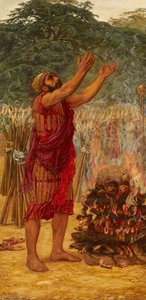
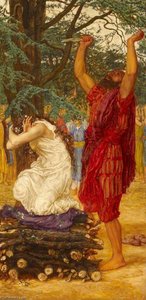
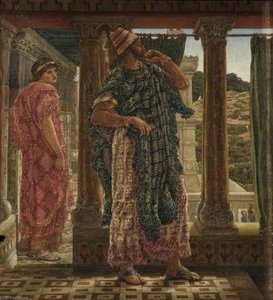
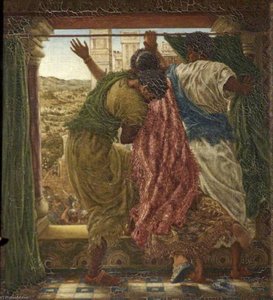
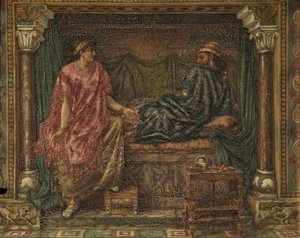
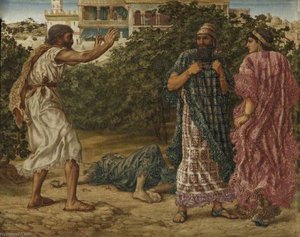
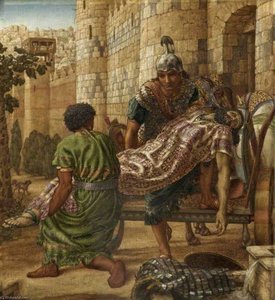
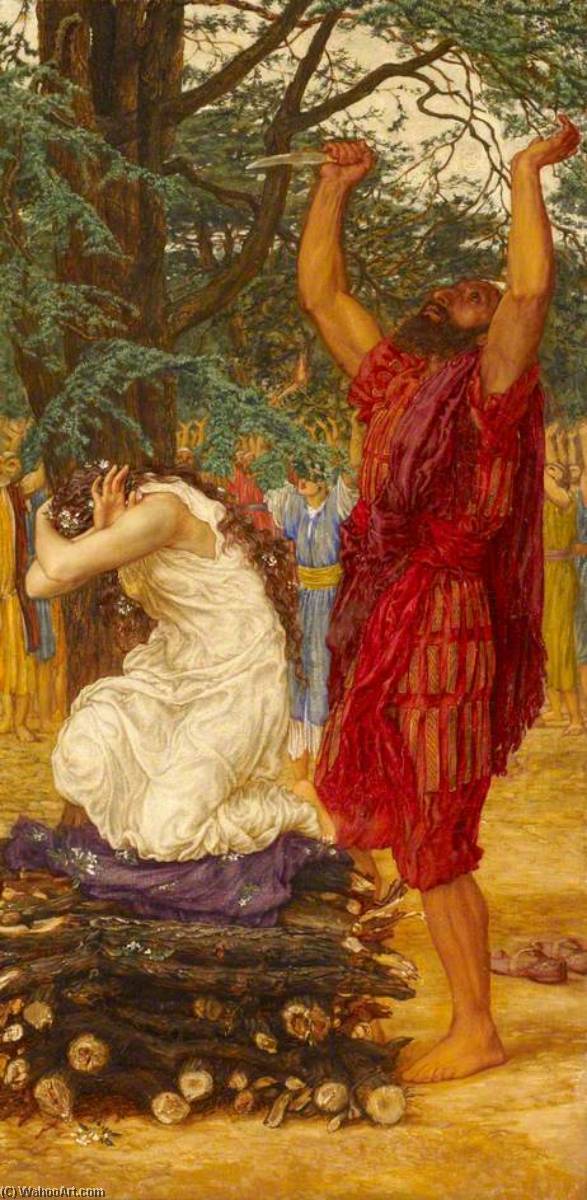
Jeptha's Vow V (panel 5 of 5)
 1900
1900 57.0 x 28.0 cm
 Southwark Art Collection
 Read More
Giclée / Art Print
Museum-quality giclée or canvas print with fast production and flexible finish options. ( Buy Hand Made Painting Buy Image)




































Pick from our preset sizes that match the artwork's original proportions.

You may enter your own dimensions to fit a specific frame or space. If your selected size does not match the original image's proportions, we will either crop the artwork or extend the image with a mirrored or solid-fill edge. A digital mockup will be sent for your approval before production begins.
Please note that the on-screen preview does not reflect the actual cropping or extension. Only the mockup will accurately show the final composition.
While custom sizes are available, we recommend selecting a dimension from the predefined list to preserve the original proportions.
Worldwide Delivery () in 2 weeks instead of standard 4/5 weeks. (23 August)

Free Worldwide Express Shipping

High-Quality Linen Canvas

Full Shipping Insurance

Customs Tax Refund Guarantee

True Color Matching Guarantee

60-Day Return Policy (Defects Only)

100% Money-Back Guarantee

Bulk Discount Offer
 Glass option is only available in size under 110 CM

Jeptha's Vow V (panel 5 of 5)
Giclée / Art Print
Reproduction Size
-


Total Price
$ 63
Related Artworks

Artist Biography
The Visionary Lines of Thomas Matthews Rooke
In the golden, twilight era of the Victorian age, few artists captured the intersection of architectural permanence and atmospheric fleetingness as delicately as Thomas Matthews Rooke. Born in London in 1842, Rooke emerged not merely as a painter, but as a meticulous chronicler of a changing world. His life and work were deeply woven into the very fabric of the British Arts and Crafts movement, serving as a bridge between the rigid precision of classical documentation and the emotive, light-drenched sensibilities of the burgeoning Impressionist movement. To look upon a Rooke watercolor is to witness a profound dialogue between the stone of antiquity and the ephemeral breath of the English landscape.
Rooke’s artistic identity was forged in the crucible of some of the most influential creative circles of the nineteenth century. His early professional years were defined by his role as a designer at Morris & Co., where he worked alongside luminaries such as William Morris and Edward Burne-Jones. This period was transformative, embedding within him a reverence for decorative integrity and the organic beauty found in historical motifs. Perhaps most significantly, Rooke’s career was profoundly shaped by his relationship with the great critic and polymath John Ruskin. Commissioned by Ruskin to document threatened architectural sites across England, Rooke embraced a mission of social and aesthetic responsibility, using his brush to preserve the memory of landscapes and structures facing the encroachment of industrial modernity.
A Mastery of Light and Architecture
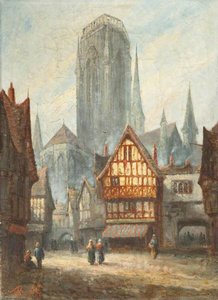
The technical brilliance of Rooke lies in his remarkable ability to balance two seemingly contradictory impulses: the exacting detail required for architectural rendering and the fluid, atmospheric grace of watercolor. While his training allowed him to capture the structural nuances of Italian architecture and English landmarks with scientific clarity, he was never a mere draftsman. Under the influence of Ruskinian ideals, Rooke sought the "truth" in nature, which often led him toward a more luminous, almost spiritual application of color. His works, such as the evocative Coutances, demonstrate an ability to bathe town squares in muted, nostalgic tones that evoke a sense of time suspended.
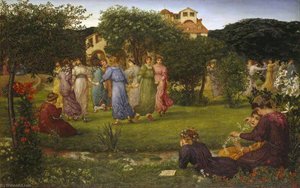
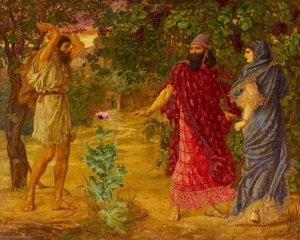
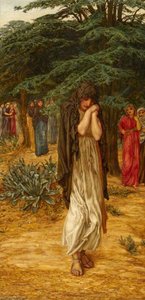
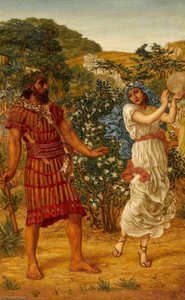
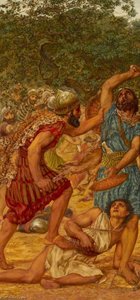
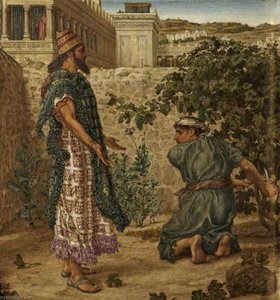
His versatility extended far beyond the architectural; Rooke was equally adept at navigating the dramatic narratives of the Pre-Raphaelite tradition. His contributions to biblical and historical subjects, such as the intricate panels of Jeptha’s Vow, reveal a capacity for rich, symbolic storytelling. In these pieces, one finds a masterful use of light to heighten tension and emotion, proving that his technical skill was always at the service of a deeper, more poetic narrative. This duality—the ability to be both a precise observer of form and a romantic interpreter of mood—remains the hallmark of his enduring legacy.
Legacy and Historical Significance
Though often remembered in the shadow of giants like Morris or Burne-Jones, Thomas Matthews Rooke’s contribution to the visual history of the nineteenth century is indispensable. He was a vital participant in the movement to protect the aesthetic heritage of Britain, acting as an artistic sentinel for the Society for the Protection of Ancient Buildings. His work serves as a primary visual record of a period of intense transition, capturing the dignity of the old world even as the new world began to reshape it.
The significance of his life can be summarized through several key pillars of his career:
- Collaborative Excellence: His role as a studio assistant to Edward Burne-Jones and a designer for Morris & Co. placed him at the heart of the most important decorative movement of the era.
- Ruskinian Stewardship: Through his commissions for John Ruskin, he helped pioneer the concept of art as a tool for historical preservation and moral education.
- Stylistic Synthesis: He successfully merged the meticulousness of architectural drawing with the atmospheric innovations of late-century watercolor techniques.
- Generational Influence: As the father of the notable wood-engraver Noel Rooke, his artistic lineage continued to influence British printmaking and design well into the twentieth century.
Today, the works of Thomas Matthews Rooke stand as much more than historical artifacts; they are windows into a lost aesthetic sensibility, inviting modern viewers to rediscover the profound beauty found in the quiet details of the built environment and the soft, shifting light of the natural world.
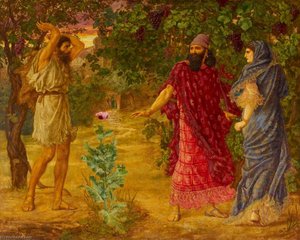
thomas matthews rooke
1842 - 1942
Quick Facts
- Artistic Movement Or Style: Watercolor Painting
- Artists Or Movements Influenced By This Artist: ['Pre-Raphaelitism']
- Artists Who Influenced This Artist: ['John Ruskin']
- Date Of Birth: 1842
- Date Of Death: 1942
- Full Name: Thomas Matthews Rooke
- Nationality: British
- Notable Artworks:
- Jeptha’s Vow III
- Coutances
- The Dancing Girls
- Place Of Birth: England