

 Preview
 Send
Send Share
Share
 Details

 Download
 Similars
 X-Ray
X-Ray Diaporama
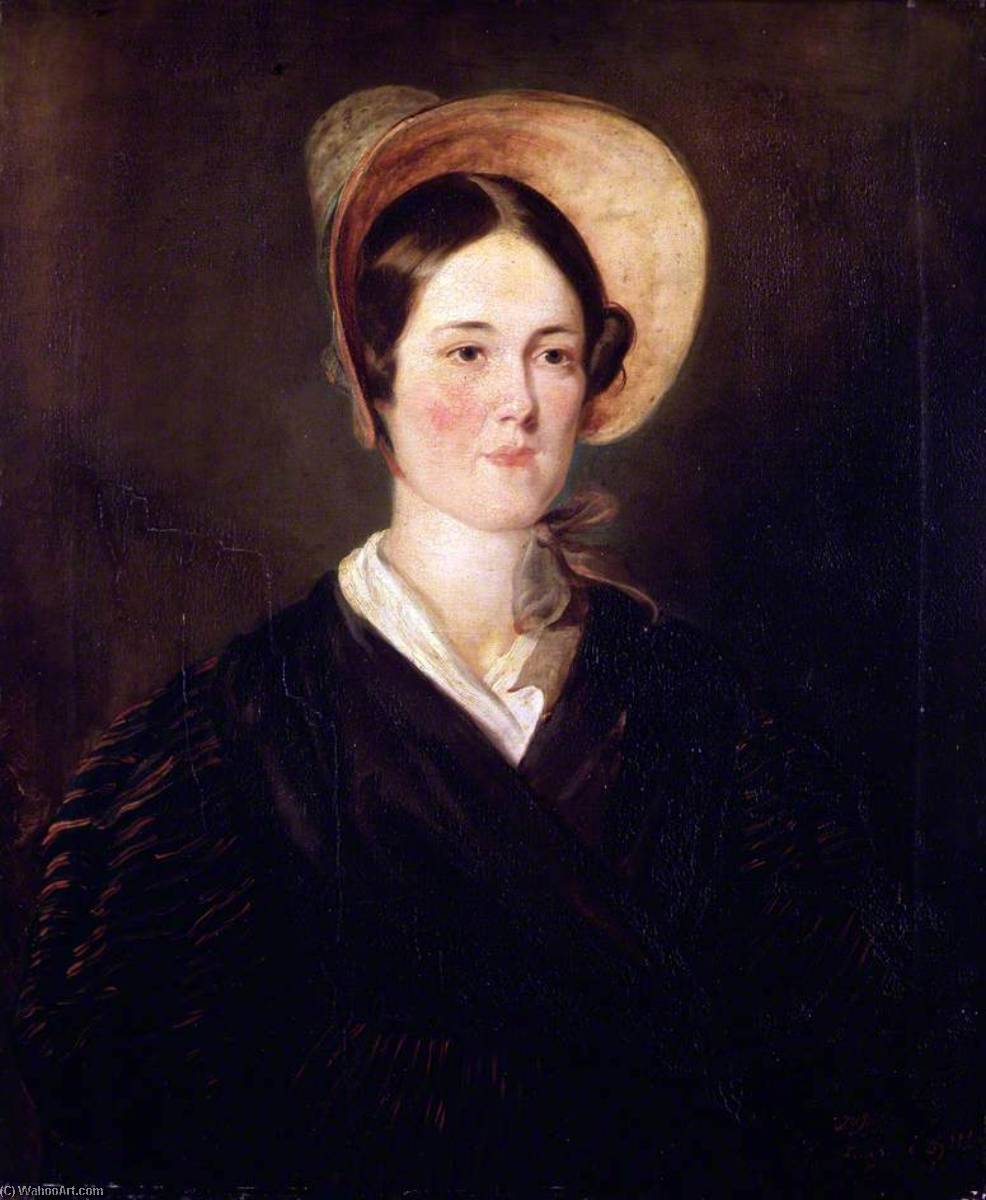
Grace Darling (1815–1842)
 Neoclassicism
 1839
1839 73.0 x 61.0 cm
 Read More
Purchase a high-resolution, enhanced digital image, far superior to the online preview.
Each file is meticulously prepared by our in-house specialists using advanced tools and expert manual retouching. We ensure every image has exceptional clarity, precise color accuracy, and fine detail.
The final file is delivered via email within 72 hours, optimized for immediate use in professional, editorial, and print environments. This is the same quality trusted by top-tier design studios, publishers, and galleries.
Digital Image
Download a high-resolution file for personal display, printing, and creative projects. ( Buy Print Buy Hand Made Painting)
Included in Every Digital Image Order
Expert Digital Delivery, Guaranteed
When you choose ArtsDot.com, you're not just getting an image - you're receiving a professionally enhanced digital artwork, crafted with precision and backed by a satisfaction guarantee. Here's everything that comes with your order, automatically:

Fast Email Delivery
Your high-resolution digital image file will be emailed to you within 72 hours of ordering - ready for immediate use.

AI-Enhanced Digital File
Your artwork is professionally optimized using advanced AI tools and manual editing, ensuring maximum detail, clarity, and color accuracy.

Free Lifetime Re-Delivery
Accidentally deleted or lost your file? No worries - we'll resend it to you anytime, free of charge.

No Import Fees - Ever
Enjoy your artwork instantly with zero customs, duties, or delivery fees - digital downloads are always tax-free.

Color Accuracy Guarantee
We ensure your digital image reflects the original colors as closely as possible using professional tools and color management.

60-Day Satisfaction Guarantee
If you're not satisfied with your digital image, we'll revise it or refund 100% within 60 days - no questions asked.

100% Money-Back Guarantee
Not satisfied? Get a full refund within 60 days of receiving your digital file - no questions asked.

Bulk Order Discounts
Buy 3 images, save 10% - Buy 5, save 15% - Buy 10+, save 20%. Great for creative projects, galleries, and agencies.
Related Artworks
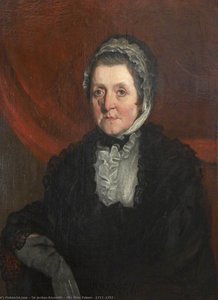
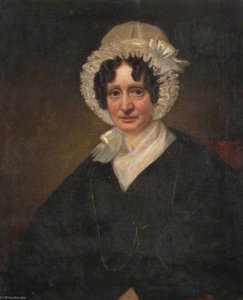
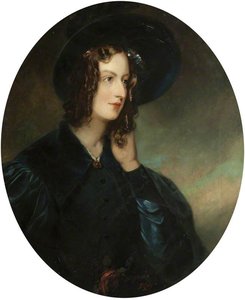
Artist Biography
A Victorian Chronicler of Heroism and High Society
Thomas Musgrave Joy, born in the tranquil Kent countryside on July 9th, 1812, emerged as a significant voice within the vibrant tapestry of Victorian art. His life story is one of overcoming initial familial reservations to pursue artistic ambition, ultimately leading him to become a sought-after portraitist and chronicler of his era. Born at Boughton Hall in Boughton Monchelsea, the son of local squire Thomas Joy and his wife Susannah, young Thomas initially faced discouragement regarding his creative inclinations. However, his determination prevailed, and he was eventually permitted to study under Samuel Drummond in London – a pivotal step that laid the foundation for his successful career. By 1831, barely into adulthood, Joy had already established himself within the prestigious artistic circles of the Royal Academy, signaling an early promise that would define his trajectory.The Art of Likeness and Historical Resonance
Joy’s specialization in portraiture quickly garnered him recognition during a period defined by social stratification and a burgeoning middle class eager to immortalize their status. He possessed a remarkable ability to capture not merely the physical likeness of his subjects, but also their character and inner essence. His style is characterized by meticulous detail, soft brushstrokes that lend a gentle realism to his work, and an astute understanding of neoclassical principles blended with the evolving aesthetic sensibilities of Victorian England. While primarily celebrated for his portraits, Joy demonstrated versatility through ventures into historical painting, showcasing his capacity to translate dramatic narratives onto canvas. This willingness to explore different genres speaks to a broader artistic curiosity beyond simply fulfilling commissions.Immortalizing Heroes and Royal Favor
Joy’s name became indelibly linked with the story of Grace Darling, the courageous daughter of a lighthouse keeper who, alongside her father William, bravely rescued survivors from the shipwrecked *Forfarshire* paddle steamer in 1838. His portraits of both Grace and William Darling catapulted him to national acclaim, solidifying his reputation as an artist capable of capturing heroism and moral fortitude. He further expanded upon this narrative by creating a re-creation of the wreck itself for Lord Panmure, demonstrating his skill in historical representation and cementing a valuable patronage relationship. This connection with Lord Panmure proved crucial, not only providing financial support but also briefly sponsoring John Phillip as Joy’s student. The artist's talent eventually attracted royal attention, leading to commissions to paint portraits of Queen Victoria’s beloved dogs and members of the royal family – including the Prince of Wales, the Duke of Cambridge, and the Princess Royal. These works now reside within the esteemed Royal Collection, a testament to his artistic skill and standing. He also immortalized prominent figures like General Sir Charles James Napier, celebrated for his military victories in what is now Pakistan, and captured the lively atmosphere of Tattersalls before a race in a large-scale group painting exhibited in 1864 – a work that showcased his ability to handle complex compositions and portray social life with remarkable detail.Legacy and Lasting Influence
The influence of Samuel Drummond, Joy’s early mentor, is evident in the foundational techniques he employed throughout his career. Lord Panmure's patronage was instrumental in providing opportunities for travel and study, nurturing Joy’s artistic development. Beyond individual influences, Joy’s work reflects the broader Victorian fascination with themes of heroism, morality, and social status – prevalent concerns within 19th-century British art. His paintings offer valuable insights into the values and aspirations of the time, serving as visual documents of a rapidly changing society. Notably, his daughter, Mary Eliza Joy, continued the family artistic tradition, exhibiting her first painting at the Royal Academy shortly after her father’s death in 1866 – a poignant continuation of a legacy born from dedication and talent. Thomas Musgrave Joy passed away on April 7th, 1866, in Pimlico, London, at the age of 54, his untimely death attributed to overwork and subsequent bronchitis. His paintings are now held in public collections including the Victoria and Albert Museum and the McManus Galleries in Dundee, ensuring that his artistic contributions continue to be appreciated by generations to come.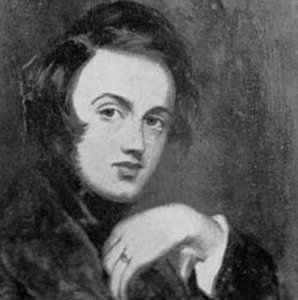
Thomas Musgrave Joy
1812 - 1866 , United Kingdom
Quick Facts
- Artistic Movement Or Style: Victorian portraiture
- Artists Or Movements Influenced By This Artist: ['Mary Eliza Joy']
- Artists Who Influenced This Artist: ['Samuel Drummond']
- Date Of Birth: July 9, 1812
- Date Of Death: 1866
- Full Name: Thomas Musgrave Joy
- Nationality: British
- Notable Artworks:
- Grace Darling
- Tattersalls Scene
- Place Of Birth: Boughton Monchelsea, UK

