

 Preview
 Send
Send Share
Share
 Details

 Download
 Similars
 X-Ray
X-Ray Diaporama
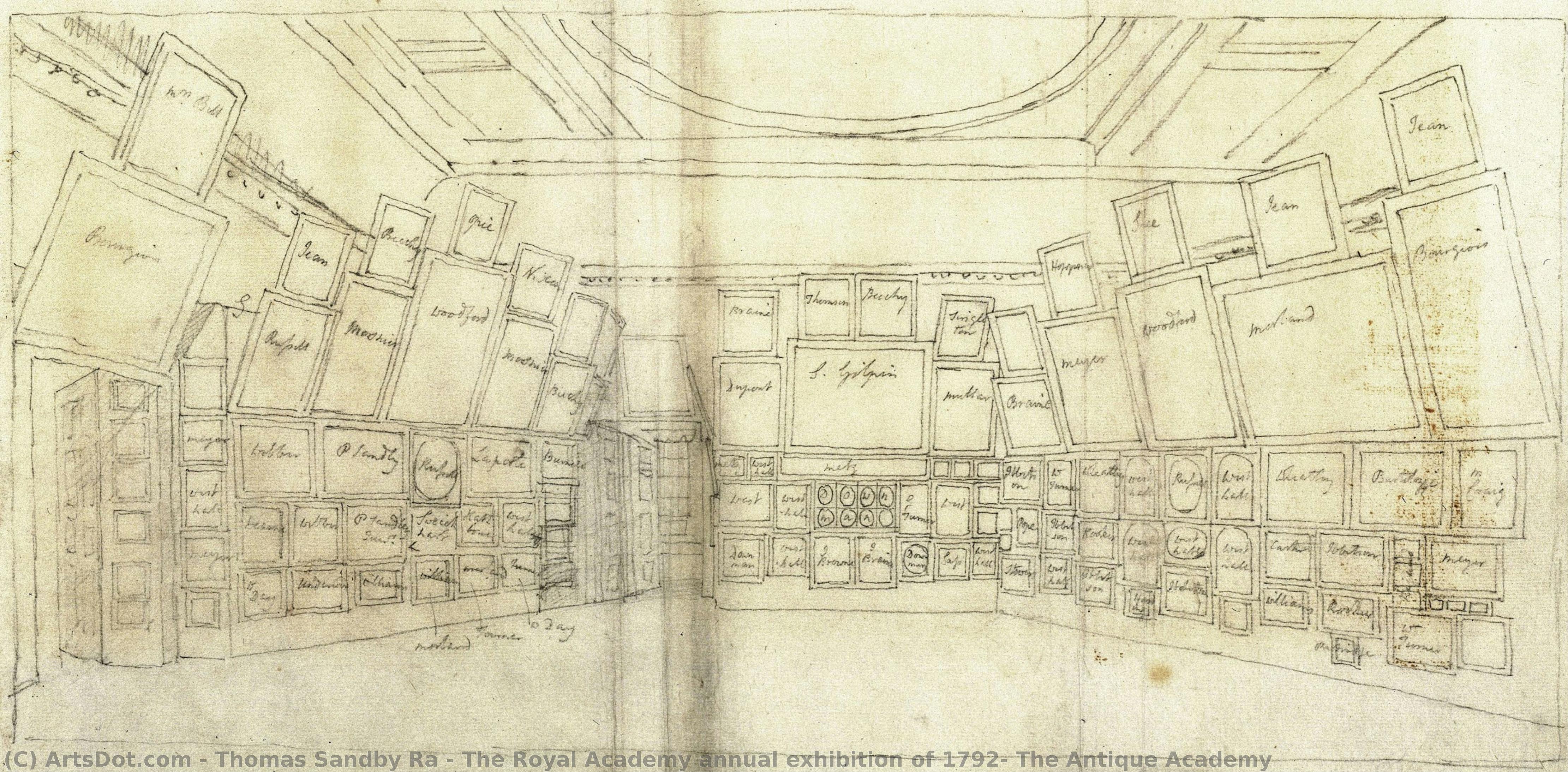
The Royal Academy annual exhibition of 1792: The Antique Academy


 Read More
Purchase a high-resolution, enhanced digital image, far superior to the online preview.
Each file is meticulously prepared by our in-house specialists using advanced tools and expert manual retouching. We ensure every image has exceptional clarity, precise color accuracy, and fine detail.
The final file is delivered via email within 72 hours, optimized for immediate use in professional, editorial, and print environments. This is the same quality trusted by top-tier design studios, publishers, and galleries.
Digital Image
Download a high-resolution file for personal display, printing, and creative projects. ( Buy Print Buy Hand Made Painting)
Included in Every Digital Image Order
Expert Digital Delivery, Guaranteed
When you choose ArtsDot.com, you're not just getting an image - you're receiving a professionally enhanced digital artwork, crafted with precision and backed by a satisfaction guarantee. Here's everything that comes with your order, automatically:

Fast Email Delivery
Your high-resolution digital image file will be emailed to you within 72 hours of ordering - ready for immediate use.

AI-Enhanced Digital File
Your artwork is professionally optimized using advanced AI tools and manual editing, ensuring maximum detail, clarity, and color accuracy.

Free Lifetime Re-Delivery
Accidentally deleted or lost your file? No worries - we'll resend it to you anytime, free of charge.

No Import Fees - Ever
Enjoy your artwork instantly with zero customs, duties, or delivery fees - digital downloads are always tax-free.

Color Accuracy Guarantee
We ensure your digital image reflects the original colors as closely as possible using professional tools and color management.

60-Day Satisfaction Guarantee
If you're not satisfied with your digital image, we'll revise it or refund 100% within 60 days - no questions asked.

100% Money-Back Guarantee
Not satisfied? Get a full refund within 60 days of receiving your digital file - no questions asked.

Bulk Order Discounts
Buy 3 images, save 10% - Buy 5, save 15% - Buy 10+, save 20%. Great for creative projects, galleries, and agencies.
Collectible Description
A Visionary Blueprint of Artistic Tradition
In the delicate strokes of Thomas Sandby’s 1792 drawing, The Royal Academy annual exhibition of 1792: The Antique Academy, we are invited to step back into a pivotal moment in the history of British art. This is not merely a depiction of a room; it is a meticulous architectural and curatorial blueprint that captures the very heartbeat of the Royal Academy during its formative years. Sandby, a pioneer of English watercolour and a master of architectural draughtsmanship, utilizes his precise hand to map out the spatial politics of the Summer Exhibition. Through his eyes, we witness the organized chaos of an era where art was hung from floor to ceiling, creating a dense, immersive tapestry of color and narrative that transformed gallery walls into much more than mere surfaces.
The composition reveals the calculated strategy behind the exhibition's arrangement, reflecting a time when the placement of a canvas could dictate an artist's rising fame. The drawing captures the essence of the "line"—that prestigious eye-level height where history paintings and grand swagger portraits commanded the viewer's undivided attention. Below this line, smaller, more intimate works were nestled, while the daringly titled "skied" pieces occupied the dizzying heights near the ceiling. This layering technique, though physically crowded, created a sense of overwhelming abundance, an aesthetic experience that modern collectors often seek to replicate through the layered textures and rich compositions found in high-quality reproductions.
The Intersection of Architecture and Artistry
As an architect and Royal Academician, Sandby brings a unique structural intelligence to this piece. The drawing functions as both a historical document and a study of interior volume. We see the skeletal grace of the room, where furniture such as scattered chairs and a central dining table suggest a space that is simultaneously a formal gallery and a lived-in hall of culture. The inclusion of fine details—a clock marking the passage of time, a solitary vase, and a carefully placed bowl—adds a layer of domestic intimacy to the grand institutional setting. This interplay between the monumental scale of the exhibition plan and the quiet, still-life elements creates a profound emotional resonance, evoking a sense of nostalgia for the golden age of the Academy.
For the discerning interior designer or art enthusiast, this work offers a masterclass in spatial arrangement and classical elegance. The drawing’s ability to convey depth and atmosphere through subtle tonal shifts makes it an extraordinary piece for those looking to introduce a sense of historical gravity into a contemporary space. Whether displayed as a focal point in a study or as part of a curated gallery wall, Sandby's vision serves as a reminder of the enduring power of organized beauty. To possess a reproduction of this work is to hold a fragment of art history itself—a window into the meticulous planning and passionate presentation that defined the very foundations of the British art world.
Related Artworks
Artist Biography
Thomas Sandby RA: A Pioneer of English Watercolour and Architectural Vision
Born in Nottingham around 1721, Thomas Sandby’s artistic journey began not within the hallowed halls of formal training but through a remarkable self-taught apprenticeship. His early life, marked by the loss of his father, steered him towards a path of observation and meticulous draughtsmanship – skills he honed initially producing views of his hometown before attracting the attention of the Duke of Cumberland. This pivotal encounter launched Sandby into a career that would span decades, leaving an indelible mark on both the landscape of England and the burgeoning world of watercolour art.
Sandby’s early years were defined by service to the military elite. Appointed private secretary and draughtsman to William Augustus, Duke of Cumberland, he accompanied the Duke's campaigns in Flanders and Scotland during the mid-1740s. This period witnessed his rapid development as an artist, capturing the dynamism of battlefields like Dettingen and the dramatic landscapes surrounding Culloden. These early sketches, imbued with a keen eye for detail and a nascent understanding of perspective, demonstrated a talent that would soon blossom into more ambitious works. Notably, Sandby’s meticulous rendering of Fort Augustus and its surroundings showcased his ability to translate three-dimensional space onto a two-dimensional surface – a crucial skill for both topographical drawings and later, architectural designs.
Beyond military commissions, Sandby's dedication to Windsor Great Park proved transformative. Appointed Deputy Ranger in 1764, he embarked on a sustained program of landscaping and improvement, shaping the park’s character over several decades. This role afforded him unparalleled access to the estate, allowing him to experiment with new techniques and develop his distinctive style. The creation of Virginia Water, a vast artificial lake, stands as a testament to Sandby's vision and collaboration with his brother Paul – a project that involved extensive planning, engineering, and artistic execution. The engraved views of this landscape, produced by Paul Sandby and others, became highly sought after, solidifying Thomas’s reputation for capturing the beauty of the English countryside.
A Founding Figure in the Royal Academy
Sandby's artistic trajectory reached a new level with his involvement in the establishment of the Royal Academy in 1768. Alongside his brother Paul, he was among the founding members, signifying a crucial shift in the landscape of British art. His appointment as the Academy’s first Professor of Architecture underscored his growing influence and expertise in design. This role demanded not only theoretical knowledge but also practical skills – qualities Sandby possessed in abundance, evidenced by his designs for buildings throughout Windsor and beyond.
The Freemason's Hall in London, demolished in 1932, remains a significant example of Sandby’s architectural work. This grand building, reflecting the neoclassical style prevalent at the time, showcased his ability to blend aesthetic elegance with functional design. Furthermore, Sandby’s influence extended beyond architecture; he played a vital role in shaping the Academy's curriculum and fostering a new generation of artists.
Technique and Style: The Watercolorist’s Art
Sandby’s artistic style is characterized by a remarkable sensitivity to light, atmosphere, and detail. He was a master of watercolour, employing delicate washes and subtle gradations of tone to create evocative landscapes that capture the essence of the English countryside. Unlike some of his contemporaries who favored bold brushstrokes, Sandby cultivated a more restrained approach, prioritizing observation and tonal harmony. His works are imbued with a sense of quiet contemplation – reflecting a deep appreciation for the natural world.
His draughtsmanship was equally impressive, demonstrating an acute understanding of perspective, proportion, and composition. Sandby’s sketches, often executed in pen and ink before being rendered in watercolour, reveal a meticulous attention to detail that is characteristic of his entire oeuvre. He skillfully captured the textures of foliage, the reflections on water, and the subtle nuances of light and shadow – creating images that are both visually stunning and intellectually engaging.
Legacy and Influence
Thomas Sandby’s legacy extends far beyond his individual works. He played a pivotal role in establishing watercolour as a respected medium for landscape painting in England, paving the way for subsequent generations of artists. His influence can be seen in the work of his brother Paul, as well as in the paintings of other prominent watercolorists of the 18th and 19th centuries.
Furthermore, Sandby’s contributions to the Royal Academy helped to shape the institution's identity and establish it as a leading center for artistic education and exhibition. His appointment as Professor of Architecture underscored the importance of architectural design in the broader context of art history – demonstrating that architecture was not merely a practical discipline but also an art form worthy of serious study.
Sandby’s life and work offer a compelling glimpse into the world of 18th-century England, revealing a man of remarkable talent, dedication, and vision. His paintings and architectural designs continue to inspire admiration and provide valuable insights into the history of art and landscape design. For further exploration, resources such as the Royal Academy’s website (https://www.royalacademy.org.uk/art-artists/name/thomas-sandby-ra) and Wikipedia (https://en.wikipedia.org/wiki/Thomas_Sandby) offer a wealth of information about his life, work, and legacy.
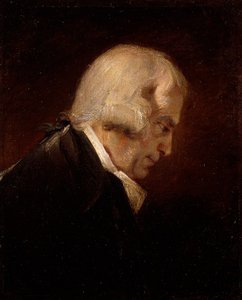
thomas sandby ra
1721 - 1798 , United Kingdom
Quick Facts
- Artistic Movement Or Style: Watercolourist, Architect
- Artists Or Movements Influenced By This Artist: ['Royal Academy']
- Artists Who Influenced This Artist: ['Paul Sandby']
- Date Of Birth: Unknown, UK (1721)
- Date Of Death: 1798
- Full Name: Thomas Sandby RA
- Nationality: British
- Notable Artworks:
- Virginia Water Lake Drawings
- Freemason’s Hall Design
- Place Of Birth: Nottingham, UK

