 Preview
 Send
Send Share
Share
 Details

 Download
 Similars
 X-Ray
X-Ray Diaporama
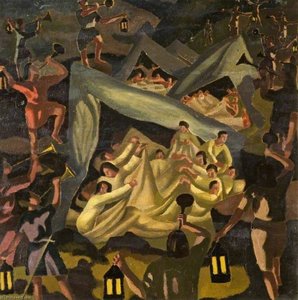
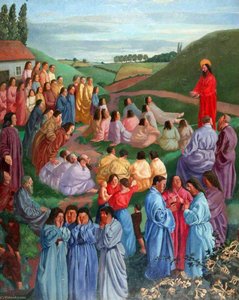
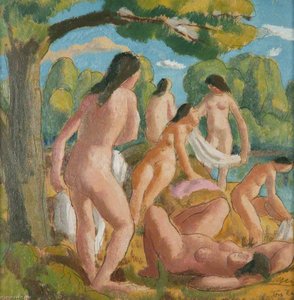
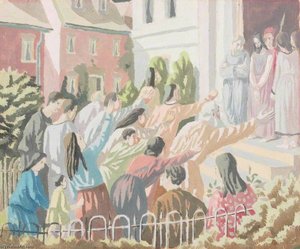
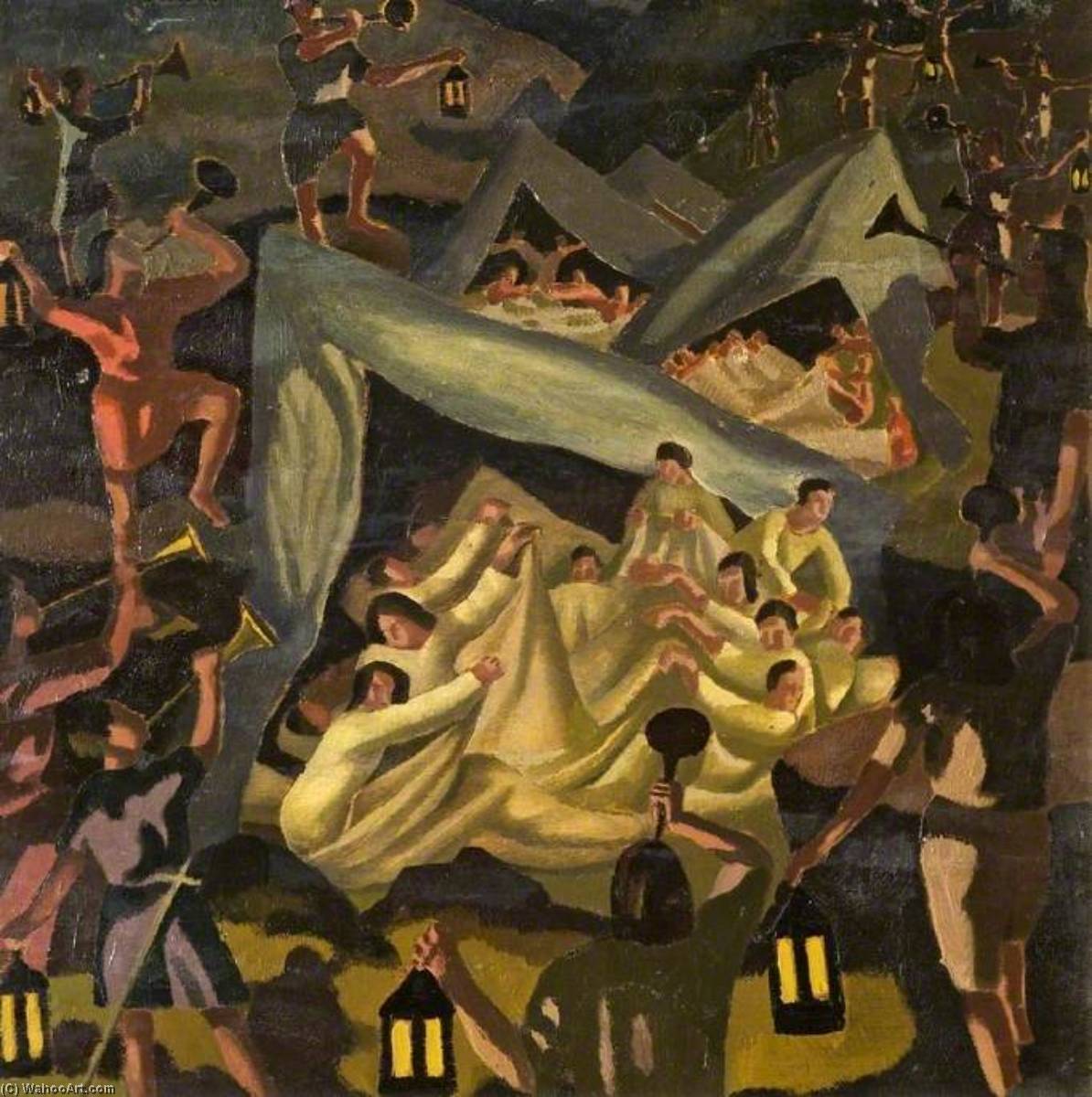
The Sword of the Lord of Gideon
 Expressionism
 1932
1932 40.0 x 40.0 cm
 Read More
Hand Made Oil Reproduction
Hand-painted oil on canvas in your size and frame, made to order by our artists. ( Buy Print Buy Image)




































Pick from our preset sizes that match the artwork's original proportions.

You may enter your own dimensions to fit a specific frame or space. If your selected size does not match the original image's proportions, we will either crop the artwork or extend the painting with additional hand-painted elements. A digital mockup will be sent for your approval before production begins.
Please note that the on-screen preview does not reflect the actual cropping or extension. Only the mockup will accurately show the final composition.
While custom sizes are available, we recommend selecting a dimension from the predefined list to preserve the original proportions.
After order, ArtsDot.com team will email client for instructions and provide a mockup preview
Worldwide Delivery () in 3/4 weeks instead of standard 5 weeks. (28 August). No compromise on quality.

Free Worldwide Express Shipping

High-Quality Linen Canvas

Full Shipping Insurance

Customs Tax Refund Guarantee

True Color Matching Guarantee

60-Day Return Policy (Defects Only)

100% Money-Back Guarantee

Bulk Discount Offer
 Glass option is only available in size under 110 CM

The Sword of the Lord of Gideon
Reproduction Medium
Reproduction Size
-


Total Price
$ 263
Related Artworks

Artist Biography
Thomas Saunders Nash (1891 – 1968): A Painter of Rural Faith
Thomas Saunders Nash was born in Évreux, France, in 1891, into a family steeped in artistic tradition. His father, Henry Nash, was a sculptor and instilled in Thomas a deep appreciation for craftsmanship and visual storytelling. Early influences included Impressionism and Post-Impressionism, particularly the works of Jean-François Millet – whose depictions of peasant life resonated deeply with Nash’s own sensibilities. This formative period shaped his artistic vision, prioritizing observation and conveying emotion through subtle tonal shifts and meticulous detail.- Early Life & Education: Nash pursued formal art training at École Supérieure des Beaux-Arts in Paris, honing his skills in oil painting and sculpture. He absorbed the stylistic innovations of Cubism and Surrealism, experimenting with fragmented perspectives and dreamlike imagery alongside more traditional landscapes.
- Notable Works: Nash’s oeuvre is characterized by a profound engagement with themes of rural life, religious devotion, and humanist compassion. His paintings frequently portray scenes of agricultural labor—often illuminated by soft, diffused light—capturing the dignity and resilience of ordinary people.
The Influence of Millet & Surrealism
Nash’s artistic journey was significantly impacted by Jean-François Millet's unflinching portrayal of rural hardship and spiritual contemplation. Millet’s canvases served as a catalyst for Nash to explore the complexities of human experience within the natural world, emphasizing empathy and recognizing the beauty inherent in simplicity. Simultaneously, he embraced Surrealist techniques—particularly automatism—allowing subconscious impulses to guide his creative process. This duality resulted in artworks that blended realism with symbolic resonance, reflecting both meticulous observation and imaginative exploration.- Millet’s Legacy: Nash acknowledged Millet's profound influence on his artistic approach, recognizing the importance of conveying emotion through understated visual language.
- Surrealist Experimentation: He actively incorporated Surrealist principles into his paintings, seeking to tap into the realm of dreams and intuition—a deliberate departure from purely representational art.
Key Achievements & Artistic Style
Nash achieved considerable acclaim during his lifetime, securing commissions for murals and landscapes that celebrated French heritage and humanist values. His distinctive artistic style is marked by a masterful command of tonal gradation—creating atmospheric depth and conveying nuanced emotional states—and an unwavering commitment to capturing the essence of his subjects with remarkable accuracy. He favored muted palettes—often dominated by earthy hues—enhancing the contemplative mood of his compositions.- Murals & Landscape Commissions: Nash’s artistic talent earned him recognition from institutions like St Thomas' Hospital and Musée Thomas-Henry, where he created impactful artworks reflecting social responsibility.
- Technique & Palette: His meticulous brushwork and subtle color harmonies established him as a leading figure in French landscape painting—a testament to his dedication to craftmanship and artistic vision.
Legacy & Historical Significance
Thomas Saunders Nash’s enduring legacy resides in his ability to synthesize Impressionistic observation with Surrealist imagination—producing artworks that transcend mere depiction, communicating profound spiritual and humanist ideas. His paintings continue to inspire viewers with their evocative beauty and thoughtful reflection on the human condition. He remains a prominent artist of the 20th century, remembered for his contribution to French art history and his unwavering devotion to portraying rural life with compassion and artistic integrity.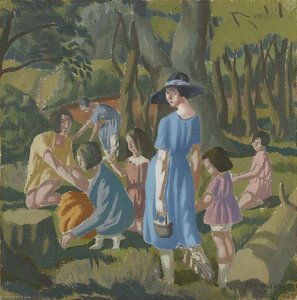
thomas saunders nash
1891 - 1968
Quick Facts
- Artistic Movement Or Style: Realism
- Artists Or Movements Influenced By This Artist: ['Romanticism']
- Artists Who Influenced This Artist: ['Jean-François Millet']
- Date Of Birth: 1891
- Date Of Death: 1968
- Full Name: Thomas Saunders Nash
- Nationality: British
- Notable Artworks:
- In a Wood
- In the Orchard (The Apple Pickers)
- Crucifixion
- Place Of Birth: Bournemouth, Dorset
Related Articles

White on Canvas: 10 Masterpieces & Timeless Elegance for Your Home Decor
Explore 10 iconic white paintings by Monet, Whistler & Rothko! Discover the stories behind these serene masterpieces and their impact on art history. Find museum-quality reproductions for your home decor at .
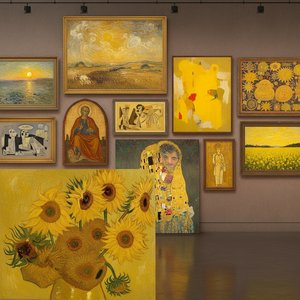
Golden Hues: 10 Masterpieces Dominated by Chrome Yellow | ArtsDot
Immerse yourself in golden light! Explore 10 famous paintings dominated by 'Chrome Yellow', from Van Gogh’s Sunflowers to Monet's Haystacks. Discover the stories behind these iconic Impressionist & Post-Impressionist masterpieces and find museum-quality art reproductions at ArtsDot.com.
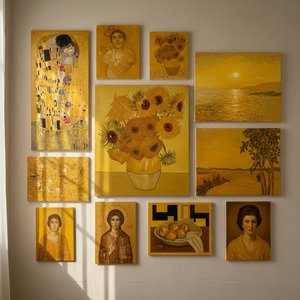
Golden Hues: Top 10 Paintings Dominated by Yellow Ochre |
Explore 10 iconic paintings bathed in golden yellow ochre! From Van Gogh's sunflowers to Monet’s haystacks, discover the stories behind these masterpieces. Find museum-quality art reproductions & elevate your home decor on .

The Subtleties of White: Exploring Absence, Light & Symbolism in Art History
Explore the profound symbolism & history of white in art! From ancient purity to modern abstraction, discover how artists have used absence & light. Expert insights from ArtsDot.

The Golden Hue: Exploring Symbolism & Emotion in Yellow Art
Explore the rich symbolism & emotional power of yellow in art history! From Van Gogh to Kandinsky, discover how artists used this vibrant hue. Expert analysis & high-quality reproductions at ArtsDot.