 Preview
 Send
Send Share
Share
 Details

 Download
 Similars
 X-Ray
X-Ray Diaporama
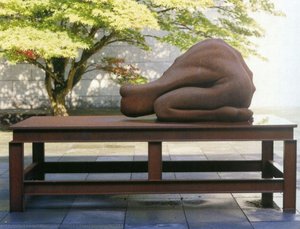
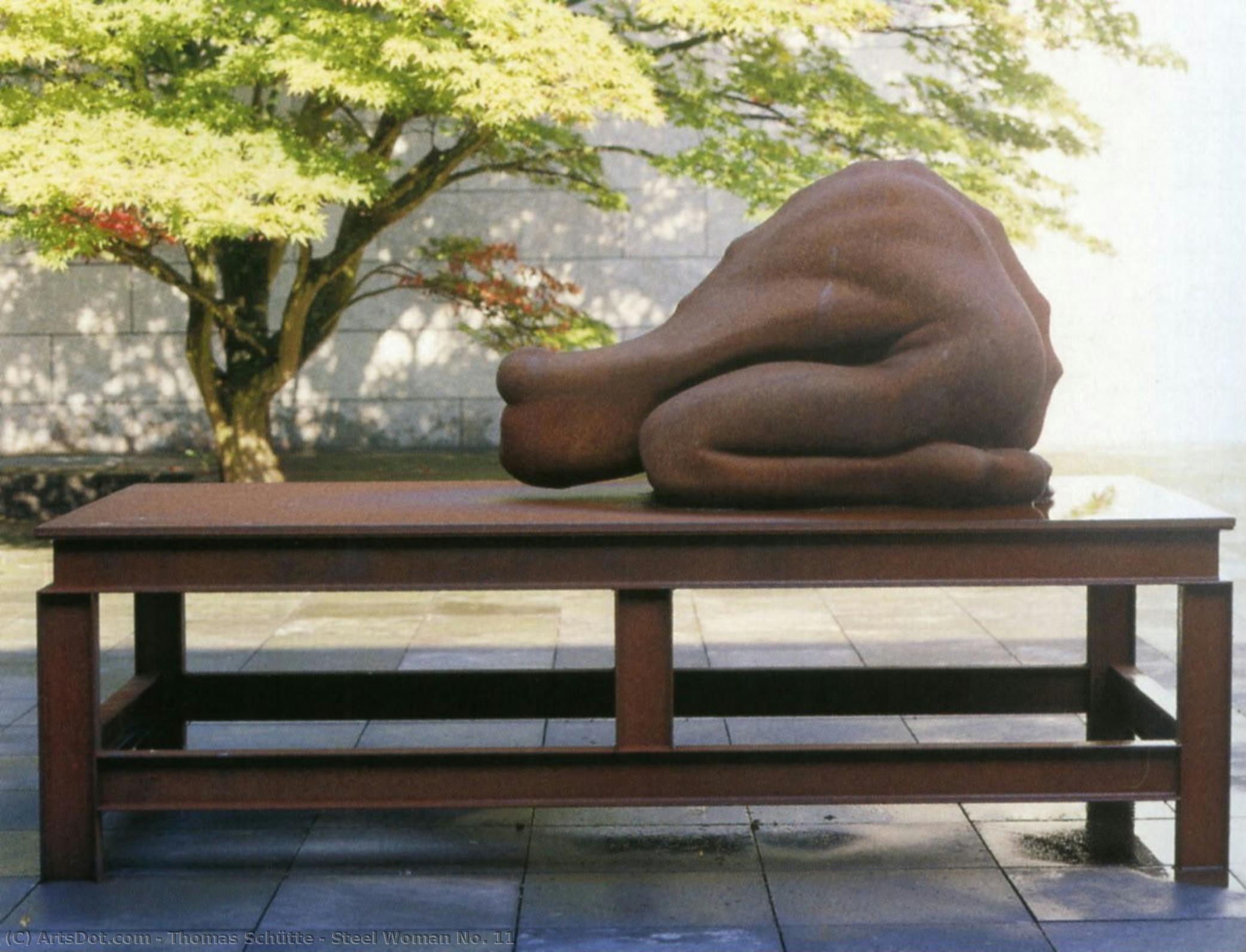
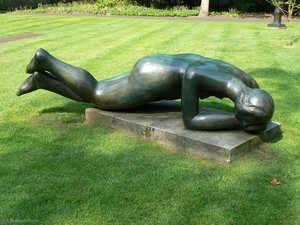
Steel Woman No. 11


 Read More
Hand Made Oil Reproduction
Hand-painted oil on canvas in your size and frame, made to order by our artists. ( Buy Print Buy Image)




P118B $10

P118H $10

P118W $10

P438Z $10

P508JH $12

P508YH $12

P805H $10

P805Z $10

P919BZ $10

P919G $10

P919XJ $10

P959ZH $10

P968JZ $12

W106C $8

W218G $10

W218JH $8

W218Y $10

W307PJ $10

W316G $10

W316PJ $8

W316Y $10

W398PJ $8

W4111J $10

W500HY $15

W500JH $15

W692G $12

W849H $8

W940BG $15

W953PJ $8




Pick from our preset sizes that match the artwork's original proportions.

You may enter your own dimensions to fit a specific frame or space. If your selected size does not match the original image's proportions, we will either crop the artwork or extend the painting with additional hand-painted elements. A digital mockup will be sent for your approval before production begins.
Please note that the on-screen preview does not reflect the actual cropping or extension. Only the mockup will accurately show the final composition.
While custom sizes are available, we recommend selecting a dimension from the predefined list to preserve the original proportions.
After order, ArtsDot.com team will email client for instructions and provide a mockup preview
Worldwide Delivery () in 3/4 weeks instead of standard 5 weeks. (17 August). No compromise on quality.

Free Worldwide Express Shipping

High-Quality Linen Canvas

Full Shipping Insurance

Customs Tax Refund Guarantee

True Color Matching Guarantee

60-Day Return Policy (Defects Only)

100% Money-Back Guarantee

Bulk Discount Offer
 Glass option is only available in size under 110 CM

Steel Woman No. 11
Reproduction Medium
Reproduction Size
-


Total Price
$ 263
Artwork Description
Steel Woman No. 11: A Meditation on Vulnerability and Resilience
Thomas Schütte’s “Steel Woman No. 11” stands as a striking emblem of his signature approach – unsettling simplicity juxtaposed with profound contemplation. Created in 2002, this sculpture resides within the Painting, Sculpture, Media Art collection of Essen Museum, Germany, cementing its place as one of Schütte's most recognizable and enduring works. It’s more than just metal; it’s a carefully crafted statement about human fragility and an assertion of inner strength.The Sculpture's Form and Material
At first glance, “Steel Woman No. 11” presents itself as deceptively unassuming. Constructed from steel – a material Schütte frequently employs to convey solidity and permanence – the figure is rendered in a stylized pose: seated on a wooden bench, her head turned slightly away from the viewer. The woman’s body is sculpted with meticulous detail, capturing subtle curves and contours that lend an air of realism despite its deliberately abstracted form. This deliberate restraint contributes significantly to the sculpture's impact; it invites viewers to focus intently on the figure’s posture and expression, prompting introspection about themes of isolation and contemplation.Schütte’s Conceptual Framework: Exploring Societal Anxiety
Schütte’s artistic practice consistently grapples with anxieties surrounding contemporary society – concerns regarding surveillance, conformity, and the erosion of individual identity. “Steel Woman No. 11” embodies this preoccupation beautifully. The woman's averted gaze speaks to a reluctance to engage directly with the world, suggesting a desire for refuge from external pressures. Simultaneously, her seated position conveys resilience; she remains grounded despite facing an unseen challenge. Schütte’s intention isn’t merely to depict a woman but to represent a universal archetype of vulnerability – a figure confronting uncertainty with quiet dignity.Technique and Artistic Style: Minimalism as Critique
Schütte's technique is characterized by meticulous craftsmanship combined with a minimalist aesthetic. The steel sculpture undergoes a complex process involving casting, welding, and polishing, resulting in a surface finish that is both smooth and subtly textured. This careful attention to detail underscores Schütte’s commitment to precision while simultaneously reinforcing the sculpture’s core message of understated power. His style aligns closely with Conceptual Art, prioritizing ideas over visual spectacle—a deliberate rejection of traditional artistic conventions. The simplicity of the form serves as a powerful tool for conveying complex emotions and philosophical considerations.Historical Context: Schütte's Contribution to Contemporary Sculpture
Schütte’s work emerged during a period marked by significant social and political upheaval – the aftermath of reunification in Germany and the burgeoning influence of globalization. He actively engages with these developments through his art, questioning established narratives and challenging viewers to confront uncomfortable truths. “Steel Woman No. 11” reflects this spirit of critical inquiry, mirroring Schütte’s broader exploration of human psychology within a larger cultural landscape. It stands as a testament to the enduring relevance of minimalist sculpture as a medium for expressing profound emotional resonance.Emotional Impact: A Quiet Reflection on Human Condition
Ultimately, “Steel Woman No. 11” compels viewers to confront questions about solitude and resilience. The sculpture’s stillness invites contemplation—a pause amidst the noise of daily life—encouraging us to consider our own responses to adversity. Its understated beauty lies in its ability to communicate a powerful message without resorting to overt symbolism or dramatic gestures. It's a piece that lingers in the mind long after viewing, prompting reflection on the human condition and reminding us of the importance of inner fortitude.Related Artworks
Artist Biography
Thomas Schütte: A Biography
Early Life and Education
Born in Oldenburg, Germany, in 1954, Thomas Schütte is a prominent figure in contemporary art. He received his artistic training at the prestigious Kunstakademie Düsseldorf from 1973 to 1981. His instructors included influential artists such as Gerhard Richter, Fritz Schwegler, Daniel Buren, and Benjamin Buchloh, shaping his conceptual approach to art.
Artistic Development and Style
Schütte’s artistic practice is remarkably diverse, encompassing sculpture, architectural designs, and drawings. He doesn't adhere to a single style; instead, he explores various forms and materials, often characterized by a sense of ambiguity and critical engagement with societal norms. His early work frequently involved wooden figures and installations that questioned traditional sculptural conventions.
- Sculptural Experimentation: Schütte’s sculptures range from small-scale figurative works to monumental public installations.
- Architectural Models: He is renowned for his intricate architectural models, often fantastical and thought-provoking, challenging conventional notions of space and functionality.
- Drawing & Woodcuts: His drawings and woodcuts offer a more intimate exploration of form and texture, frequently displaying surreal or unsettling imagery.
Influences and Themes
Schütte’s work is influenced by a broad range of sources, including art history, philosophy, and architecture. He engages with themes such as the human condition, cultural memory, societal structures, and the role of art itself. His pieces often provoke questions about identity, power, and the complexities of modern life.
Major Achievements and Recognition
- First US Solo Show (1989): Schütte gained significant recognition with his first solo exhibition in New York at Marian Goodman Gallery.
- Fourth Plinth Commission (2007): His “Model for a hotel” was installed on the Fourth Plinth in Trafalgar Square, London – a highly visible public art commission.
- Venice Biennale Golden Lion (2005): He received the prestigious Golden Lion award at the Venice Biennale for his outstanding contribution to contemporary art.
- Düsseldorf Prize (2010): Awarded the Düsseldorf Prize, recognizing his significant artistic achievements.
- Auction Successes: His sculptures have achieved impressive prices at auction, demonstrating their market value and collector demand. For example, “Großer Geist No. 16” sold for $4.1 million in 2010.
Historical Significance and Legacy
Thomas Schütte’s work has had a profound impact on contemporary sculpture and installation art. He challenges traditional artistic boundaries, prompting viewers to question their perceptions of the world around them. His diverse practice and intellectual rigor have established him as one of the most important artists of his generation. His pieces are held in major museum collections worldwide, including the Tate, MoMA, and the Art Institute of Chicago, ensuring his lasting legacy within art history.
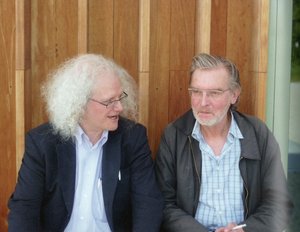
thomas schütte
1954 - , Germany
Quick Facts
- Birth Date: 1954
- Birth Place: Oldenburg, Germany
- Influenced By:
- Gerhard Richter
- Fritz Schwegler
- Daniel Buren
- Benjamin Buchloh
- Movement: Contemporary art
- Name: Thomas Schütte
- Nationality: German
- Notable Works:
- Model for a hotel
- Vater Staat
- Größer Geist No. 16
- Untitled from Woodcuts
Related Articles

Bronze Sculptures That Defined Art History | ArtsDot
Journey through art history with our Top 10 bronze sculptures! Explore masterpieces by Rodin, Michelangelo & more. Discover stories behind iconic statues and find museum-quality reproductions for your home decor at ArtsDot.com.

The Enduring Form: Exploring Themes & Techniques in Sculpture Across Historical Periods
Explore the rich history of sculpture from ancient masterpieces to contemporary innovations. Discover key techniques, influential artists & investment potential for discerning art collectors.
The Enduring Form: Sculpture Across History, Technique & Emotional Resonance
Explore the rich history of sculpture with ArtsDot. Discover key techniques, influential artists & investment potential for discerning collectors. Expert insights into valuing and collecting timeless masterpieces.

Bronze Age to Modern Masters: 10 Sculptures That Redefined Art | ArtsDot
Journey through art history with 10 legendary bronze sculptures – from Michelangelo's David to Rodin’s Thinker. Explore the stories, techniques & timeless beauty of these masterpieces. Find museum-quality reproductions & elevate your home decor on ArtsDot.com.
The Enduring Legacy of Bronze Sculpture: History, Techniques & Contemporary Interpretations
Explore the rich history & enduring appeal of bronze sculpture. Learn about casting techniques, iconic artists, collecting tips, & contemporary interpretations. Expert insights for discerning art collectors.