

 Preview
 Send
Send Share
Share
 Details

 Download
 Similars
 X-Ray
X-Ray Diaporama
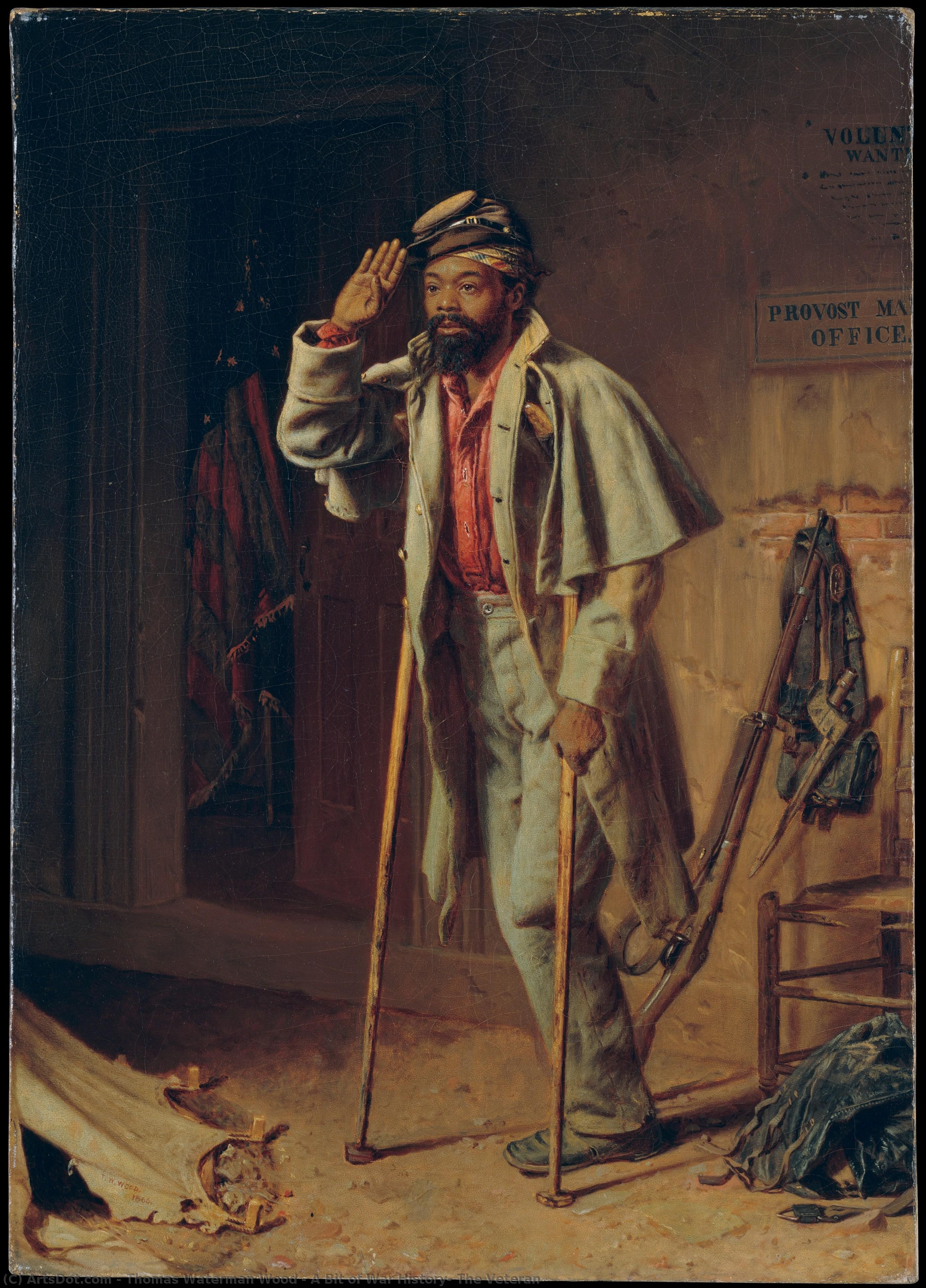
A Bit of War History: The Veteran
 Acrylic On Canvas
- WallArt
- Hudson River School
 1866
1866- 19th Century
 72.0 x 51.0 cm
 Metropolitan Museum of Art
 Read More
Purchase a high-resolution, enhanced digital image, far superior to the online preview.
Each file is meticulously prepared by our in-house specialists using advanced tools and expert manual retouching. We ensure every image has exceptional clarity, precise color accuracy, and fine detail.
The final file is delivered via email within 72 hours, optimized for immediate use in professional, editorial, and print environments. This is the same quality trusted by top-tier design studios, publishers, and galleries.
Digital Image
Download a high-resolution file for personal display, printing, and creative projects. ( Buy Print Buy Hand Made Painting)
Included in Every Digital Image Order
Expert Digital Delivery, Guaranteed
When you choose ArtsDot.com, you're not just getting an image - you're receiving a professionally enhanced digital artwork, crafted with precision and backed by a satisfaction guarantee. Here's everything that comes with your order, automatically:

Fast Email Delivery
Your high-resolution digital image file will be emailed to you within 72 hours of ordering - ready for immediate use.

AI-Enhanced Digital File
Your artwork is professionally optimized using advanced AI tools and manual editing, ensuring maximum detail, clarity, and color accuracy.

Free Lifetime Re-Delivery
Accidentally deleted or lost your file? No worries - we'll resend it to you anytime, free of charge.

No Import Fees - Ever
Enjoy your artwork instantly with zero customs, duties, or delivery fees - digital downloads are always tax-free.

Color Accuracy Guarantee
We ensure your digital image reflects the original colors as closely as possible using professional tools and color management.

60-Day Satisfaction Guarantee
If you're not satisfied with your digital image, we'll revise it or refund 100% within 60 days - no questions asked.

100% Money-Back Guarantee
Not satisfied? Get a full refund within 60 days of receiving your digital file - no questions asked.

Bulk Order Discounts
Buy 3 images, save 10% - Buy 5, save 15% - Buy 10+, save 20%. Great for creative projects, galleries, and agencies.
Collectible Description
A Bit of War History: The Veteran – A Testament to Resilience
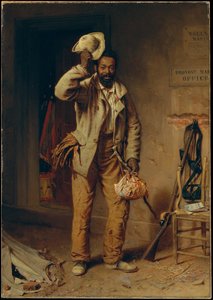
Thomas Waterman Wood’s “A Bit of War History: The Veteran,” painted in 1866, is more than just a portrait; it's a poignant snapshot of American history and the burgeoning recognition of African American contributions during the final years of the Civil War. Executed in oil on wood, this triptych – alongside "The Contraband" and “The Recruit” – offers a deeply empathetic portrayal of a formerly enslaved man transformed into a soldier and, ultimately, a veteran seeking his due. The painting’s intimate scale of 72 x 51 cm invites the viewer to engage with the subject's quiet dignity and unspoken struggles.
- Subject & Narrative: The central figure, an older gentleman in a formal suit and top hat, immediately draws attention. His stance – one leg raised, hat held aloft – speaks of both military experience and perhaps a lingering physical impairment, likely the result of combat. This detail is crucial; Wood deliberately depicts him as an amputee, subtly challenging prevailing stereotypes and highlighting the sacrifices made by African American soldiers in the U.S. Colored Troops.
- Contextual Significance: Created at the close of the war, “The Veteran” reflects a pivotal moment in American history. By 1866, over ten percent of the United States Army and Navy were comprised of Black men who bravely fought for their freedom and the preservation of the Union. Wood’s work stands as a testament to their valor and deserves recognition within the broader narrative of Reconstruction.
Technique & Style – A Vermont Painter's Empathetic Vision
Wood’s style is characterized by a restrained realism, typical of the Hudson River School but imbued with a distinctly humanistic touch. The application of paint is meticulous, creating subtle gradations in tone and texture that lend depth to the figure and the surrounding environment. Note the careful rendering of the fabrics – the suit, tie, and hat – suggesting both wealth and dignity. The background, featuring a simple chair, dining table, and scattered bottles, adds to the painting’s sense of domesticity and reinforces the idea of the veteran returning home, albeit with visible scars.
- Color Palette: The muted color palette – dominated by browns, grays, and ochres – contributes to the painting's somber mood. This restrained use of color emphasizes the subject’s age and hardship while simultaneously conveying a sense of quiet dignity.
- Composition: The composition is carefully balanced, with the figure occupying the central space and drawing the viewer’s eye. The placement of the bottles adds visual interest without distracting from the main subject.
Symbolism & Emotional Impact – Beyond the Portrait
"A Bit of War History: The Veteran" transcends a simple portrait; it's a powerful symbol of resilience, dignity, and the enduring struggle for equality. The veteran’s posture—one leg raised, hat held high—can be interpreted as an assertion of pride and self-respect in the face of adversity. The presence of the pension office in the background subtly suggests the legal battles fought to secure compensation for Black veterans, highlighting the systemic challenges they faced even after their service.
- Caricature vs. Humanity: Wood’s decision to portray a dignified African American man rather than relying on prevalent caricatured representations of the time is particularly significant. This empathetic approach elevates the subject and underscores the humanity of those who fought for their country.
- Emotional Resonance: The painting evokes a profound sense of empathy and respect, prompting viewers to consider the sacrifices made by African Americans during the Civil War and the ongoing struggle for racial justice.
A Valuable Reproduction – Bringing History Home
This hand-painted reproduction captures the essence of Wood’s original masterpiece, offering a stunning addition to any art collection or interior design scheme. The meticulous attention to detail and the evocative atmosphere of the painting will undoubtedly spark conversation and inspire reflection. Its size (72 x 51 cm) makes it suitable for a variety of spaces, from formal studies to more casual living areas. Own a piece of American history – a testament to courage, resilience, and the enduring pursuit of equality.
Related Artworks

Artist Biography
Sanford Robinson Gifford: A Master of Light and the Hudson
Sanford Robinson Gifford (1823–1880) stands as a pivotal figure in American art, often considered the second-generation artist to emerge from the influential Hudson River School. Born in Greenfield, Saratoga County, New York, on May 5th, 1823, Gifford’s artistic journey was deeply intertwined with the legacy of his elder brother, Charles Gifford, who had been profoundly impacted by the landscapes of Thomas Cole and Asher B. Durand. This early exposure to the School's core tenets—a reverence for nature, a focus on atmospheric effects, and a celebration of the American wilderness—laid the foundation for Gifford’s distinctive style and enduring contribution to the movement. Unlike his brother, who initially pursued a career in finance, Gifford dedicated himself entirely to art, embarking on a path that would ultimately define his life's work. Gifford’s formative years were spent largely in Hudson, New York, where he received informal instruction from Henry Ary, a local painter whose connection to Cole and Durand provided a crucial link to the School’s artistic lineage. This early training instilled in him a deep appreciation for capturing the nuances of light and color within the natural world – a skill that would become his hallmark. Following a brief period at Brown University, Gifford moved to New York City in 1847, seeking opportunities within the burgeoning art scene. There, he studied under John Rubens Smith, a prominent English expatriate artist known for his watercolor techniques and his ability to render atmospheric effects with remarkable precision. Smith’s influence is evident in Gifford's early works, particularly his meticulous attention to detail and his skillful use of color. A significant turning point in Gifford’s artistic development occurred when he traveled to Europe in 1855–57. Inspired by the landscapes of J.M.W. Turner, a master of capturing atmospheric effects through light and color, Gifford spent time studying in London, France, Belgium, Holland, and Germany. He particularly admired Turner’s ability to evoke mood and atmosphere through subtle shifts in tone and hue. This European sojourn profoundly impacted his artistic sensibilities, leading him to incorporate elements of Impressionism into his own style – a move that distinguished him from many of his Hudson River School contemporaries. Gifford's return to America in 1857 marked the beginning of his most prolific period, during which he produced a vast body of work depicting scenes of the Catskill Mountains, the Hudson Valley, and other landscapes of New York State.- Key Characteristics: Gifford’s paintings are characterized by their luminous color palettes, their masterful rendering of light and shadow, and their evocative depictions of the American wilderness.
- Technique: He employed a direct painting technique, working quickly to capture the fleeting effects of light and atmosphere. His brushwork is often loose and expressive, yet always carefully controlled.
- Subject Matter: Gifford’s subjects primarily consisted of landscapes—mountain vistas, forests, rivers, and streams—often imbued with a sense of tranquility and timelessness.
William Oliver: A London Figure in the Victorian Art World
Born William Oliver Williams on December 28, 1823, in Worcester, England, William Oliver was an artist who carved out a distinctive niche within the bustling art scene of Victorian London. Unlike many artists of his era who sought fame and fortune abroad, Oliver remained firmly rooted in his native city, establishing himself as a respected figure primarily known for his evocative depictions of young women. His work offers a fascinating glimpse into the artistic tastes and social dynamics of late 19th-century England. Oliver’s early life is somewhat shrouded in mystery, though he was the son of surgeon William Williams and Jane Williams (née Oliver). He received an apprenticeship as a goldsmith before dedicating himself to painting, likely influenced by his brother, William Oliver (1804–1853), who was also an artist. Oliver’s artistic training is believed to have included time at the Government School of Design in Birmingham, where he served as assistant master and headmaster under Thomas Clarke. This experience provided him with a solid foundation in technique and composition.- Specialization: Oliver's primary subject matter was young women, often portrayed in intimate settings or engaged in everyday activities.
- Style: His paintings are characterized by a delicate realism combined with an elegant aesthetic sensibility. He paid close attention to detail, particularly in rendering the textures of clothing and the expressions on his subjects’ faces.
- Notable Commissions: Oliver received commissions from prominent families, suggesting that he was regarded as a skilled and reliable artist.
Paul Weber: A Pioneer of American Landscape Painting
Born in Darmstadt, Germany on February 18, 1823, Paul Weber's journey as an artist led him from his homeland to the United States, where he became a significant figure in the development of American landscape painting during the mid-19th century. Initially trained in Frankfurt, Weber’s artistic sensibilities were profoundly shaped by his exposure to the German Romantic tradition and, crucially, by his subsequent travels through Europe and America. Weber's early career was marked by a dedication to technical proficiency and a meticulous approach to capturing the details of the natural world. He spent time studying at the Düsseldorf Academy in Germany, where he honed his skills in drawing and painting. His European sojourn included visits to Italy, Belgium, Holland, and Switzerland, during which he immersed himself in the works of masters such as J.M.W. Turner and Caspar David Friedrich—artists who profoundly influenced his own artistic vision.- Early Training: Weber’s formal training at the Düsseldorf Academy provided him with a strong foundation in traditional painting techniques.
- European Influences: His travels through Europe exposed him to diverse artistic styles and landscapes, broadening his perspective and enriching his artistic vocabulary.
- American Period: Weber arrived in America around 1857, establishing himself as a teacher and artist in New Hampshire.
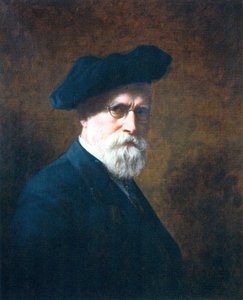
thomas waterman wood
1823 - 1903 , United States of America
Quick Facts
- Artistic Movement Or Style: Genre/Figurative Art
- Artists Or Movements Influenced By This Artist: ['Birmingham School of Art']
- Artists Who Influenced This Artist: ['William Oliver (1804–1853)']
- Date Of Birth: 1823
- Date Of Death: 1901
- Full Name: William Oliver Williams
- Nationality: English
- Notable Artworks: ['Young Women Series']
- Place Of Birth: Worcester, England

