

 Preview
 Send
Send Share
Share
 Details

 Download
 Similars
 X-Ray
X-Ray Diaporama
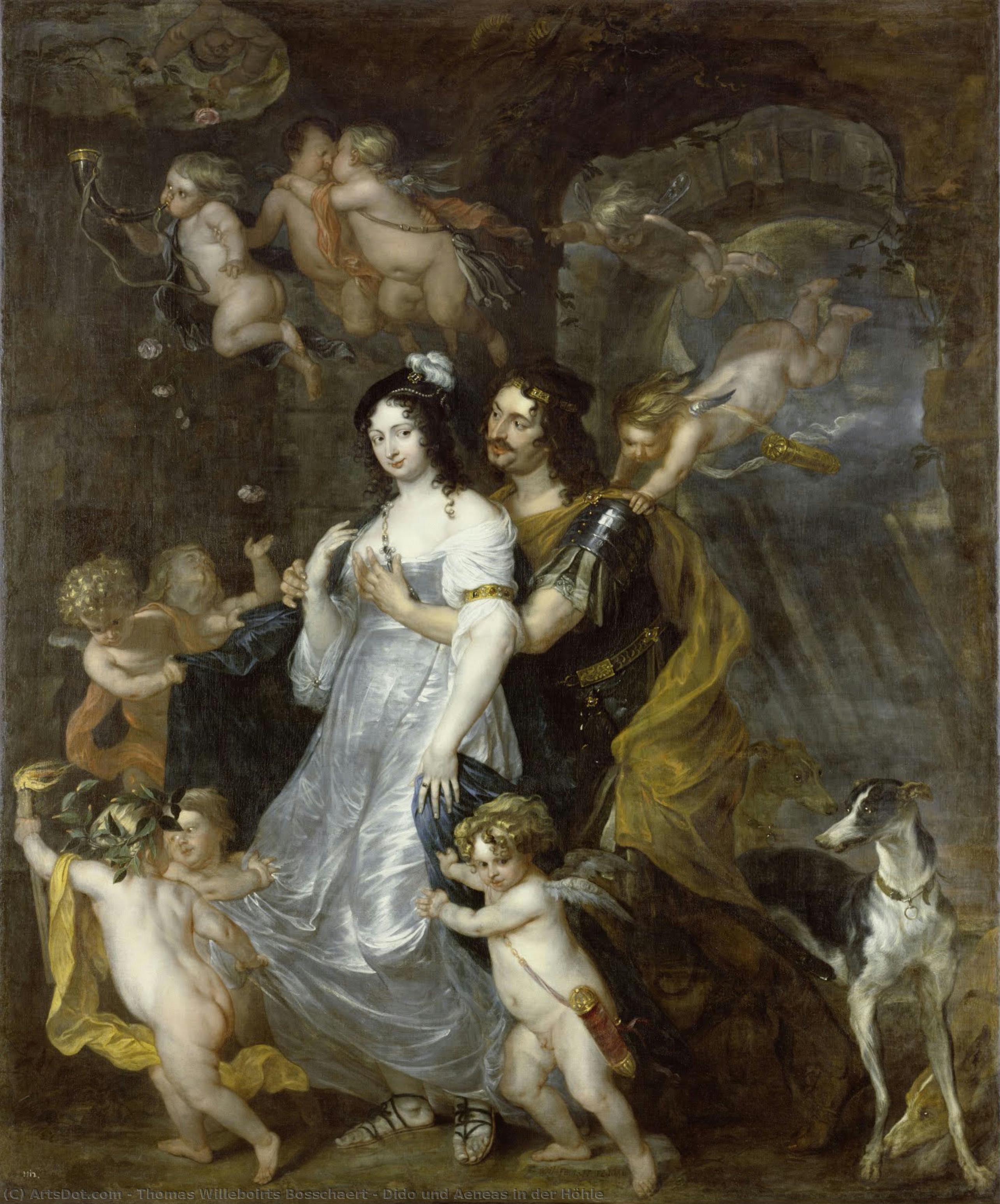
Dido und Aeneas in der Höhle
 Oil On Canvas
- WallArt
- Baroque
 1646
1646 297.0 x 255.0 cm
 Picture Gallery Sanssouci
 Read More
Purchase a high-resolution, enhanced digital image, far superior to the online preview.
Each file is meticulously prepared by our in-house specialists using advanced tools and expert manual retouching. We ensure every image has exceptional clarity, precise color accuracy, and fine detail.
The final file is delivered via email within 72 hours, optimized for immediate use in professional, editorial, and print environments. This is the same quality trusted by top-tier design studios, publishers, and galleries.
Digital Image
Download a high-resolution file for personal display, printing, and creative projects. ( Buy Print Buy Hand Made Painting)
Included in Every Digital Image Order
Expert Digital Delivery, Guaranteed
When you choose ArtsDot.com, you're not just getting an image - you're receiving a professionally enhanced digital artwork, crafted with precision and backed by a satisfaction guarantee. Here's everything that comes with your order, automatically:

Fast Email Delivery
Your high-resolution digital image file will be emailed to you within 72 hours of ordering - ready for immediate use.

AI-Enhanced Digital File
Your artwork is professionally optimized using advanced AI tools and manual editing, ensuring maximum detail, clarity, and color accuracy.

Free Lifetime Re-Delivery
Accidentally deleted or lost your file? No worries - we'll resend it to you anytime, free of charge.

No Import Fees - Ever
Enjoy your artwork instantly with zero customs, duties, or delivery fees - digital downloads are always tax-free.

Color Accuracy Guarantee
We ensure your digital image reflects the original colors as closely as possible using professional tools and color management.

60-Day Satisfaction Guarantee
If you're not satisfied with your digital image, we'll revise it or refund 100% within 60 days - no questions asked.

100% Money-Back Guarantee
Not satisfied? Get a full refund within 60 days of receiving your digital file - no questions asked.

Bulk Order Discounts
Buy 3 images, save 10% - Buy 5, save 15% - Buy 10+, save 20%. Great for creative projects, galleries, and agencies.
Collectible Description
A Glimpse of Myth and Majesty: Thomas Willeboirts Bosschaert’s “Dido and Aeneas in the Cave”
Within the opulent confines of Frederik Hendrik van Oranje-Nassau's chambers at Huis ten Bosch, a scene from Virgil’s epic poem unfolds – Thomas Willeboirts Bosschaert’s “Dido and Aeneas in the Cave,” painted in 1646. More than just a portrait, this work is a carefully constructed tableau vivant, brimming with allegorical weight and rendered with the meticulous detail characteristic of the Dutch Golden Age. It's a window into a world where mythology intertwined with political power, offering a glimpse of both romantic longing and dynastic ambition.
The painting immediately draws the eye to its central figures: Dido, Queen of Carthage, portrayed as a woman of profound sorrow yet undeniable beauty, and Aeneas, the Trojan hero, rendered in a pose of hesitant devotion. They are positioned within a cavernous space, illuminated by a soft, diffused light that suggests both intimacy and vulnerability. The setting itself is richly symbolic; the cave represents not merely a physical location but also the emotional darkness Dido has retreated into following Aeneas’s departure. The rough stone walls contrast sharply with the luxurious fabrics of their garments, highlighting the disparity between their fates – one destined for exile, the other for a new life and legacy.
A Masterclass in Dutch Baroque Technique
Bosschaert's skill as a painter is evident in every brushstroke. He employs a masterful use of chiaroscuro—the dramatic interplay of light and shadow—to sculpt the figures and create a sense of depth within the confined space. The textures are remarkably realistic, from the delicate folds of Dido’s gown to the rough surface of the cave walls. His technique is heavily influenced by Anthony van Dyck, particularly in his ability to capture subtle expressions and convey a sense of aristocratic grace. Note the careful attention to detail in the rendering of their jewelry, the intricate patterns on the fabrics, and the realistic depiction of the animals – a dog and a cat – adding layers of visual interest.
The painting’s palette is restrained yet sophisticated, dominated by earthy tones—ochres, browns, and greys—that evoke the mood of melancholy and contemplation. Subtle hints of color are used to draw attention to key elements, such as Dido's crimson dress, which symbolizes her passion and vulnerability. The artist skillfully uses glazing techniques to create a luminous quality, enhancing the richness and depth of the colors.
Historical Context: Power, Patronage, and Poetic Allegory
"Dido and Aeneas in the cave" was commissioned for Frederik Hendrik van Oranje-Nassau’s private chamber—a “kaminstück,” or fireplace painting—at Huis ten Bosch, his lavish residence in The Hague. This commission reflects the political climate of the time: a powerful stadtholder seeking to project an image of both strength and refinement. Virgil's Aeneid was a popular source of inspiration for Dutch rulers, offering a narrative framework for legitimizing their authority and celebrating their lineage.
The choice of this particular scene—the moment of Dido’s rejection of Aeneas—was likely deliberate. It served as an allegory for the challenges faced by rulers in maintaining stability and securing alliances. The story of Dido and Aeneas, with its themes of love, loss, and duty, resonated deeply within the context of Dutch politics, where dynastic marriages were often strategically arranged to consolidate power.
Symbolism and Emotional Resonance
Beyond its historical significance, “Dido and Aeneas in the cave” is a profoundly moving work of art. Dido’s sorrowful expression speaks volumes about the pain of abandonment and the fragility of human relationships. Aeneas's hesitant gaze suggests his awareness of the consequences of his actions and his reluctance to disrupt her solitude. The presence of the animals—a dog symbolizing loyalty and fidelity, and a cat representing independence and cunning—adds another layer of symbolic complexity.
The painting’s enduring appeal lies in its ability to evoke a sense of empathy for its central figures. It is a timeless meditation on love, loss, and the complexities of human destiny – a poignant reminder that even within the grandest palaces, the most profound emotions can find expression.
Related Artworks




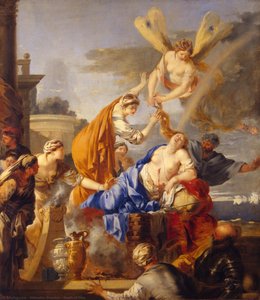
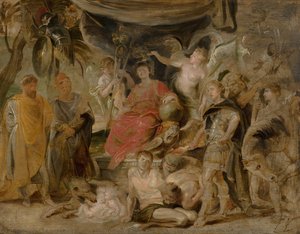

Artist Biography
early life and training
thomas willeboirts bosschaert, a prominent figure in the dutch golden age, was born in bergen op zoom in 1613. his family, of catholic origin, had relocated to this region in the late sixteenth century. in 1628, bosschaert moved to antwerp, where he entered the studio of gerard seghers for an extensive eight-year apprenticeship. this formative period laid the groundwork for his future artistic endeavors.artistic career and affiliations
in 1636 or 1637, bosschaert became a citizen of antwerp and joined the prestigious guild of st. luke, a significant milestone in his career. this affiliation not only underscored his commitment to his craft but also granted him access to a broader network of artists and patrons.notable works and style
though specific details about his works are scarce, it is evident that bosschaert's artistry was deeply influenced by the prevailing styles of his time. his paintings, characterized by intricate details and masterful use of light, reflect the dutch golden age's emphasis on realism and aesthetic appeal.museological significance and legacy
bosschaert's legacy, though not as extensively documented as some of his contemporaries, is preserved in part through the museum boijmans van beuningen rotterdam, netherlands, which houses a collection of fine and decorative arts from various periods, including the dutch golden age. [https://ArtsDot.com/@@/a@d3arrk-museum-boijmans-van-beuningen-rotterdam-netherlands](museum boijmans van beuningen rotterdam, netherlands at ArtsDot.com)conclusion
thomas willeboirts bosschaert's life and work, though shrouded in mystery, contribute to the rich tapestry of dutch art during the 17th century. his association with prominent artists and his adherence to the artistic standards of his time underscore his significance within the era.- view thomas willeboirts bosschaert's artworks at [https://ArtsDot.com/@/thomas-willeboirts-bosschaert](thomas willeboirts bosschaert | ArtsDot.com)
- explore the museum boijmans van beuningen rotterdam, netherlands collection at [https://ArtsDot.com/@@/a@d3arrk-museum-boijmans-van-beuningen-rotterdam-netherlands](museum boijmans van beuningen rotterdam, netherlands | ArtsDot.com)
- discover more about the dutch golden age and its notable artists at [https://ArtsDot.com/all-popular-artists](the greatest artists painters of all time | ArtsDot.com)
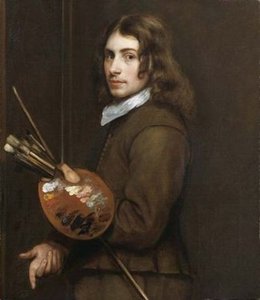
thomas willeboirts bosschaert
1613 - 1654 , Netherlands
Quick Facts
- Artistic Movement Or Style: Dutch Golden Age, Baroque painting
- Artists Or Movements Influenced By This Artist: Van Dyck
- Artists Who Influenced This Artist: Gerard Seghers
- Date Of Birth: 1613
- Full Name: Thomas Willeboirts Bosschaert
- Nationality: Flemish
- Notable Artworks: ['Venus Arming a Warrior']
- Place Of Birth: Breda, Netherlands

