 Preview
 Send
Send Share
Share
 Details

 Download
 Similars
 X-Ray
X-Ray Diaporama
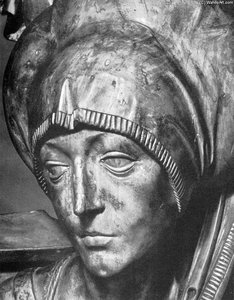
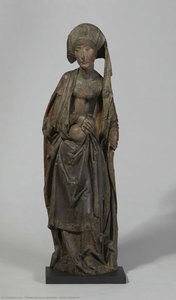
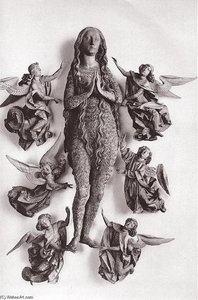
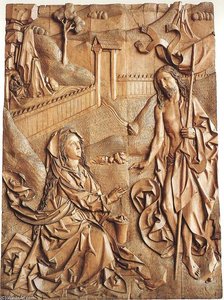
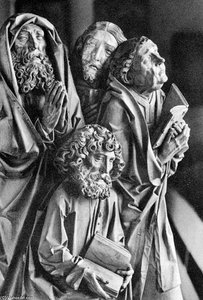
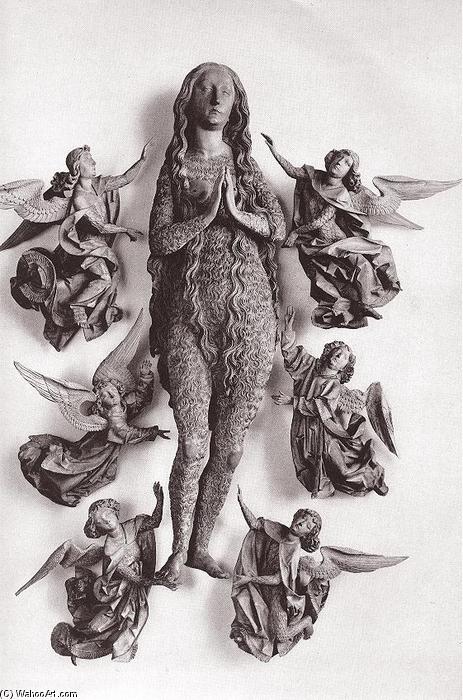
Mary Magdalen with two Angels


 Read More
Hand Made Oil Reproduction
Hand-painted oil on canvas in your size and frame, made to order by our artists. ( Buy Print Buy Image)




P118B $10

P118H $10

P118W $10

P438Z $10

P508JH $12

P508YH $12

P805H $10

P805Z $10

P919BZ $10

P919G $10

P919XJ $10

P959ZH $10

P968JZ $12

W106C $8

W218G $10

W218JH $8

W218Y $10

W307PJ $10

W316G $10

W316PJ $8

W316Y $10

W398PJ $8

W4111J $10

W500HY $15

W500JH $15

W692G $12

W849H $8

W940BG $15

W953PJ $8




Pick from our preset sizes that match the artwork's original proportions.

You may enter your own dimensions to fit a specific frame or space. If your selected size does not match the original image's proportions, we will either crop the artwork or extend the painting with additional hand-painted elements. A digital mockup will be sent for your approval before production begins.
Please note that the on-screen preview does not reflect the actual cropping or extension. Only the mockup will accurately show the final composition.
While custom sizes are available, we recommend selecting a dimension from the predefined list to preserve the original proportions.
After order, ArtsDot.com team will email client for instructions and provide a mockup preview
Worldwide Delivery () in 3/4 weeks instead of standard 5 weeks. (17 August). No compromise on quality.

Free Worldwide Express Shipping

High-Quality Linen Canvas

Full Shipping Insurance

Customs Tax Refund Guarantee

True Color Matching Guarantee

60-Day Return Policy (Defects Only)

100% Money-Back Guarantee

Bulk Discount Offer
 Glass option is only available in size under 110 CM

Mary Magdalen with two Angels
Reproduction Medium
Reproduction Size
-


Total Price
$ 263
Artwork Description
The Sculptor's Soul: Tilman Riemenschneider’s ‘Mary Magdalen with Two Angels’
Within the hushed halls of the Bayerisches Nationalmuseum in Munich resides a sculpture that transcends mere stone and wood—it is a profound meditation on faith, repentance, and divine grace. Tilman Riemenschneider's “Mary Magdalen with Two Angels,” crafted around 1490, isn’t simply a depiction of a biblical figure; it’s an embodiment of the turbulent spiritual journey at the heart of Christian belief. Riemenschneider, a master sculptor working in the twilight years of the Gothic era and the nascent Renaissance, possessed a rare ability to imbue his works with both raw emotion and meticulous detail, creating pieces that continue to resonate centuries later.
The sculpture immediately commands attention through its dramatic composition. Mary Magdalen, rendered with startling realism – her face etched with sorrow yet radiating an inner strength – is positioned centrally, her hands clasped in a gesture of fervent prayer. Her posture speaks volumes: not of triumphant victory, but of humble supplication, reflecting the weight of her past and the hope for redemption. The angels flanking her are equally compelling; one points towards Mary with a gentle guidance, while the other, seemingly detached, holds an object – perhaps a flower, or a fragment of fruit – offering a subtle suggestion of earthly solace amidst spiritual contemplation. The figures aren’t idealized; they possess a tangible humanity, their expressions conveying vulnerability and profound emotion.
A Gothic Masterpiece: Technique and Materials
Riemenschneider's skill lies not only in his ability to capture the likeness of his subjects but also in his masterful manipulation of wood. He worked primarily with limewood, a material prized for its fine grain and capacity to hold intricate detail. The sculpture’s surface is remarkably smooth, achieved through countless hours of painstaking sanding and polishing – a testament to Riemenschneider's dedication to his craft. Notice the subtle variations in texture across the figures; the rougher surfaces of Mary’s garments contrast with the polished smoothness of the angels’ robes, creating a dynamic interplay of visual interest. The use of deep carving creates an incredible sense of volume and depth, drawing the viewer into the scene.
The sculpture's dimensions are unknown, but its scale is significant, dominating the space it occupies within the museum. This deliberate size reinforces the importance of Mary Magdalen’s story – a narrative of profound transformation and unwavering faith. The artist’s attention to detail extends beyond the figures themselves; observe the delicate folds in the drapery, the intricate patterns on the angels' wings, and the subtle expressions etched onto their faces. These elements combine to create a work of art that is both visually stunning and emotionally resonant.
Symbolism and Context: A Portrait of Penitence
“Mary Magdalen with Two Angels” is deeply rooted in the theological concerns of its time. Mary Magdalene’s story, often portrayed as one of sin and redemption, served as a powerful metaphor for the possibility of spiritual renewal within the Christian faith. The sculpture reflects this narrative through Mary's posture of prayer—a symbol of repentance and seeking forgiveness. The angels represent divine guidance and support on that journey, offering both comfort and direction.
Riemenschneider’s work emerged during a period of significant social and religious upheaval in Germany. The late medieval era was marked by the rise of humanism, which challenged traditional religious dogma and emphasized the importance of individual experience. However, Riemenschneider remained firmly rooted in Gothic traditions, incorporating elements of both spiritual intensity and emotional realism into his art. His work is a bridge between these two worlds—a testament to the enduring power of faith and the complexities of human nature.
A Timeless Reflection: The Enduring Power of Grace
“Mary Magdalen with Two Angels” continues to captivate viewers centuries after its creation. Its emotional depth, technical mastery, and profound symbolism make it a truly exceptional work of art. It’s not merely a representation of a biblical story; it's an invitation to contemplate the themes of repentance, forgiveness, and the transformative power of faith. Reproductions of this sculpture offer a remarkable opportunity to bring this powerful image into your home or office, serving as a constant reminder of the enduring beauty and grace found within the human spirit.
Related Artworks

Artist Biography
A Life Forged in Stone and Wood
Tilman Riemenschneider, a name resonating with the echoes of late medieval Germany, stands as a pivotal figure bridging the spiritual intensity of the Gothic era with the burgeoning humanism of the Renaissance. Born around 1460 in Heiligenstadt im Eichsfeld, his life unfolded against a backdrop of political upheaval and artistic transformation. The early years were marked by displacement; his father’s involvement in the Mainzer Stiftsfehde forced the family to relocate to Osterode, an event that likely instilled within young Tilman a sense of resilience and adaptability – qualities that would define both his life and art. His journey toward mastery began with extensive travels throughout Swabia and the Upper Rhine around 1478/79, immersing himself in diverse workshops and absorbing the stylistic nuances of the region. The influence of artists like Martin Schongauer, whose intricate engravings captivated the artistic imagination of the time, is clearly visible in Riemenschneider’s early works, particularly in his meticulous attention to detail and expressive line work. In 1483, he settled in Würzburg, a city that would become synonymous with his name, joining the Saint Luke's Guild and initially working as a painter’s assistant before establishing himself as an independent master craftsman.The Blossoming of a Master Sculptor
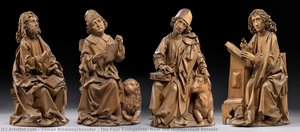
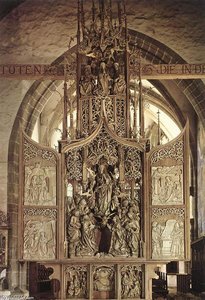
Riemenschneider’s ascent was swift and remarkable. His earliest confirmed work, the gravestone of Eberhard von Grumbach around 1485, already reveals a burgeoning talent for capturing both physical likeness and emotional depth. He quickly garnered recognition, attracting commissions from town councils and churches eager to benefit from his skill. However, it was in the realm of altarpieces that Riemenschneider truly distinguished himself. These were not merely devotional objects; they were immersive theatrical experiences carved in wood, designed to evoke profound spiritual responses. The Franziskusaltar in Rothenburg ob der Tauber (circa 1490) and, most famously, the Holy Blood Altar in Creglingen (completed around 1503-1505), exemplify his mastery of limewood carving. These altarpieces are characterized by their intricate detail, dynamic compositions, and a remarkable ability to convey human emotion through sculpted form. Riemenschneider’s innovative approach extended beyond subject matter; he often abandoned traditional polychromy – the practice of painting sculptures – allowing the natural beauty of the wood itself to shine through, emphasizing texture, grain, and the inherent warmth of the material. The Münnerstadt Altarpiece (1490-1492) showcases this evolving style, blending Gothic formality with a nascent Renaissance humanism in its depiction of biblical scenes, particularly evident in the expressive faces and individualized portrayals of the Evangelists.Civic Duty and Political Turmoil
Riemenschneider’s life was not confined to the artistic sphere. In 1504, he entered public service, becoming a member of the Würzburg town council and holding various offices until 1525. This civic engagement brought him both social standing and lucrative commissions, further solidifying his position within the community. However, this period of prosperity was tragically disrupted by the Peasants’ War in 1525. Riemenschneider, a man known for his empathy and sense of justice, refused to support military action against the rebelling peasants, a decision that would have devastating consequences. His stance led to imprisonment and a significant decline in his career. Despite enduring legends claiming he lost his hands as punishment, historical evidence suggests this is untrue; however, the emotional and professional toll was undeniable. While he continued to produce works after his release, they were fewer in number and often smaller in scale, reflecting the diminished circumstances of his later years. His final commission came from a Benedictine nunnery at Kitzingen, a poignant end to a career marked by both triumph and adversity. He passed away on July 7, 1531, in Würzburg, leaving behind a legacy that would slowly be rediscovered and celebrated in the centuries to come.A Lasting Legacy
Tilman Riemenschneider’s significance lies not only in his technical virtuosity but also in his ability to capture the spirit of a transitional era. His work embodies the delicate balance between the spiritual fervor of the Late Gothic and the emerging humanist ideals of the Renaissance. He stands as a master of woodcarving, renowned for his expressive figures, intricate detail, and innovative use of materials. For centuries after his death, Riemenschneider’s contributions were largely forgotten, overshadowed by the artistic achievements of the Italian Renaissance. However, in the 19th century, art historians began to rediscover and appreciate his unique genius, recognizing him as one of the most important sculptors of his time. His influence on subsequent generations of German artists is undeniable, inspiring a renewed appreciation for woodcarving and a commitment to expressive realism. Today, Riemenschneider’s sculptures are treasured throughout Europe, serving as powerful reminders of a bygone era and a testament to the enduring power of artistic vision.Key Characteristics of His Work
- Mastery of Limewood Carving: Riemenschneider’s exceptional skill in working with limewood allowed him to create sculptures of remarkable detail and expressiveness.
- Emotional Realism: His figures are not merely representations of religious subjects; they convey a profound sense of human emotion, making them relatable and deeply moving.
- Innovative Use of Polychromy: While he sometimes employed paint, Riemenschneider often left his sculptures unpainted, highlighting the natural beauty of the wood itself.
- Dynamic Compositions: His altarpieces are characterized by their complex and dynamic compositions, creating a sense of movement and drama.
- Blending Gothic and Renaissance Styles: Riemenschneider’s work represents a unique synthesis of Late Gothic sensibilities with emerging humanist influences.
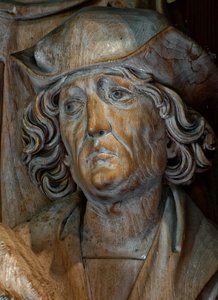
Tilman Riemenschneider
1460 - 1531 , Italy
Quick Facts
- Artistic Movement Or Style: Late Gothic & Renaissance
- Artists Or Movements Influenced By This Artist: ['German artists']
- Artists Who Influenced This Artist: ['Martin Schongauer']
- Date Of Birth: c. 1460
- Date Of Death: July 7, 1531
- Full Name: Tilman Riemenschneider
- Nationality: German
- Notable Artworks:
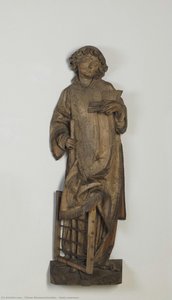
- Saint Lawrence
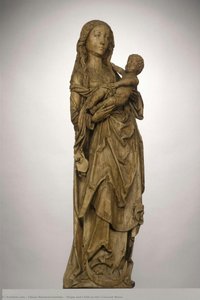
- Virgin and Child
- Mary Magdalen with Angels
- Holy Blood Altar
- Place Of Birth: Heiligenstadt, Italy
Related Articles

Bronze Sculptures That Defined Art History | ArtsDot
Journey through art history with our Top 10 bronze sculptures! Explore masterpieces by Rodin, Michelangelo & more. Discover stories behind iconic statues and find museum-quality reproductions for your home decor at ArtsDot.com.

The Enduring Form: Exploring Themes & Techniques in Sculpture Across Historical Periods
Explore the rich history of sculpture from ancient masterpieces to contemporary innovations. Discover key techniques, influential artists & investment potential for discerning art collectors.

Bronze Age to Modern Masters: 10 Sculptures That Redefined Art | ArtsDot
Journey through art history with 10 legendary bronze sculptures – from Michelangelo's David to Rodin’s Thinker. Explore the stories, techniques & timeless beauty of these masterpieces. Find museum-quality reproductions & elevate your home decor on ArtsDot.com.
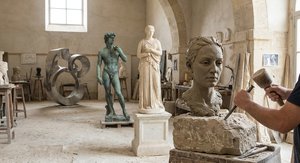
The Enduring Form: Sculpture Across History, Technique & Emotional Resonance
Explore the rich history of sculpture with ArtsDot. Discover key techniques, influential artists & investment potential for discerning collectors. Expert insights into valuing and collecting timeless masterpieces.
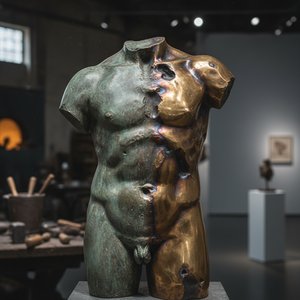
The Enduring Legacy of Bronze Sculpture: History, Techniques & Contemporary Interpretations
Explore the rich history & enduring appeal of bronze sculpture. Learn about casting techniques, iconic artists, collecting tips, & contemporary interpretations. Expert insights for discerning art collectors.