

 Preview
 Send
Send Share
Share
 Details

 Download
 Similars
 X-Ray
X-Ray Diaporama
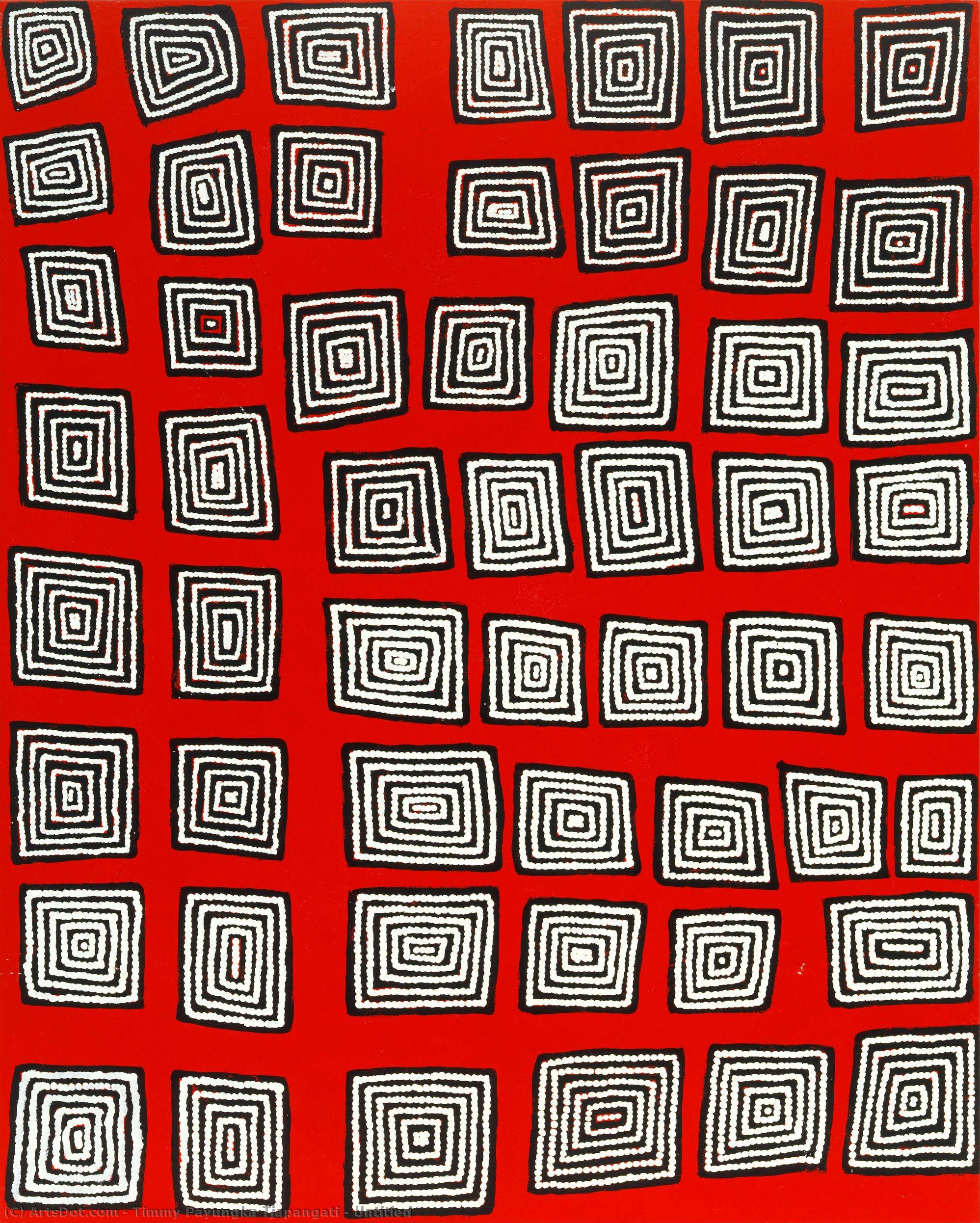
Untitled
 Painting
- Contemporary Aboriginal Art
 1998
1998 152.0 x 122.0 cm
 Art Gallery of New South Wales
 Read More
Purchase a high-resolution, enhanced digital image, far superior to the online preview.
Each file is meticulously prepared by our in-house specialists using advanced tools and expert manual retouching. We ensure every image has exceptional clarity, precise color accuracy, and fine detail.
The final file is delivered via email within 72 hours, optimized for immediate use in professional, editorial, and print environments. This is the same quality trusted by top-tier design studios, publishers, and galleries.
Digital Image
Download a high-resolution file for personal display, printing, and creative projects. ( Buy Print Buy Hand Made Painting)
Included in Every Digital Image Order
Expert Digital Delivery, Guaranteed
When you choose ArtsDot.com, you're not just getting an image - you're receiving a professionally enhanced digital artwork, crafted with precision and backed by a satisfaction guarantee. Here's everything that comes with your order, automatically:

Fast Email Delivery
Your high-resolution digital image file will be emailed to you within 72 hours of ordering - ready for immediate use.

AI-Enhanced Digital File
Your artwork is professionally optimized using advanced AI tools and manual editing, ensuring maximum detail, clarity, and color accuracy.

Free Lifetime Re-Delivery
Accidentally deleted or lost your file? No worries - we'll resend it to you anytime, free of charge.

No Import Fees - Ever
Enjoy your artwork instantly with zero customs, duties, or delivery fees - digital downloads are always tax-free.

Color Accuracy Guarantee
We ensure your digital image reflects the original colors as closely as possible using professional tools and color management.

60-Day Satisfaction Guarantee
If you're not satisfied with your digital image, we'll revise it or refund 100% within 60 days - no questions asked.

100% Money-Back Guarantee
Not satisfied? Get a full refund within 60 days of receiving your digital file - no questions asked.

Bulk Order Discounts
Buy 3 images, save 10% - Buy 5, save 15% - Buy 10+, save 20%. Great for creative projects, galleries, and agencies.
Collectible Description
Echoes of the Desert Canvas
To stand before this work by Timmy Payungka Tjapangati is to be enveloped in the deep, resonant silence of the Australian outback. The canvas itself, rendered on hardboard and bearing the date 1998, is not merely a depiction; it is an artifact of endurance, a visual memoir etched from the very spirit of the Pintupi people. The immediate impact is one of vibrant contrast: a field of rich, earthy red serving as the backdrop against which constellations of black circles are scattered. These circles do not exist randomly; they pulse with an internal logic, varying in size and density to create an intricate, almost topographical map of unseen journeys and sacred knowledge.
The Language of the Circles
Tjapangati’s artistic vocabulary is deeply rooted in the ancestral narratives passed down through generations. The black circles are more than mere decorative elements; they function as potent symbols—perhaps representing waterholes, ceremonial sites, or the pathways of creation beings traversing the vast expanse of the Gibson Desert. His technique, while utilizing modern materials like paint on hardboard, remains profoundly traditional in its intent. It speaks of a continuity between the oral history and the visual record. The way the circles overlap and interact suggests complex relationships—the confluence of different Dreaming tracks meeting at a single, significant point.
A Journey Through Time and Place
Understanding Tjapangati’s life context enriches the viewing experience immeasurably. As one of the pioneering Pintupi painters who began working on hardboard in Papunya in 1971, his art chronicles a profound cultural migration. His journey from his traditional country near Wilkinkarra to the missions and eventually back toward Kiwirrkura is mirrored in the depth of this painting. It captures not just a moment in time, but the resilience required to maintain identity across forced movements and periods of intense change. Owning a reproduction allows one to connect with that powerful narrative arc.
Emotional Resonance for the Modern Space
For the collector or designer, this piece offers an unparalleled infusion of raw, untamed spirit into any interior space. The deep red grounds the room in primal warmth, while the precise, rhythmic placement of the black circles provides a sophisticated, meditative focal point. It is art that demands contemplation; it invites the viewer to slow down, to trace the patterns with their eyes, and perhaps, to listen for the echoes of ancient songlines beneath the surface sheen. It is a powerful statement piece—a window into an enduring culture.
Related Artworks
Artist Biography
The Spirit of the Pintupi: The Life and Legacy of Timmy Payungka Tjapangati
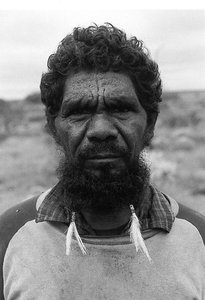
In the vast, sun-drenched landscapes of Western Australia, the story of Timmy Payungka Tjapangati unfolds as a profound testament to the endurance of Aboriginal culture. Born in 1942 at Parayirpilynga, near the shimmering expanse of Lake Mackay in the Pilbara region, Tjapangati was a man deeply rooted in the ancestral rhythms of the Pintupi people. His early life was shaped by the ancient tracks and sacred sites of his country, a landscape that would later become the spiritual foundation for his transformative artistic career. As part of a generation that navigated the complex transitions of the mid-20th century, Tjapangati’s journey took him from the traditional ways of his youth to the burgeoning contemporary art movements of the Western Desert.
The trajectory of his life was marked by significant movement and adaptation. Following a period spent at Warburton, where he met his wife, Tchapangati’s family eventually moved through Yarrana toward Kintore in the Northern Territory. It was during the 1960s that he arrived at Papunya, a pivotal moment that would place him at the heart of a cultural revolution. Alongside figures such as Geoffrey Bardon, Tchapangati became one of the original pioneers of the Papunya Tula movement. This era saw the translation of ephemeral sand paintings and body decorations onto permanent surfaces like board and canvas, allowing the sacred narratives of the Pintupi to reach a global audience while maintaining their profound spiritual integrity.
A Visual Language of Dreaming and Law
Tchapangati’s artistic style is far more than mere decoration; it is a sophisticated visual language used to communicate the Dreaming—the complex web of ancestral creation, law, and kinship. His work is characterized by a masterful blend of traditional Aboriginal storytelling and modern compositional techniques. Through intricate patterns and symbolic iconography, he mapped the spiritual topography of his people. One of his most celebrated achievements, Kangaroo and Shield People Dreaming at Lake Mackay (1980), serves as a breathtaking window into a sacred men's story. This particular masterpiece, now held in the prestigious collection of the Art Gallery of New South Wales, demonstrates his ability to render the profound weight of ancestral presence through a delicate yet powerful aesthetic.
Beyond the grand narratives of the Dreaming, Tchapangati possessed a unique sensitivity for capturing the intimate essence of Aboriginal life. His painting Children stands as a poignant example of his skill in portraying the continuity of culture and the tender bonds of community. Every stroke and dot in his repertoire served to reinforce the connection between the land, the people, and the eternal laws that govern them. As an important Law Man, his art was not merely an expression of creativity but a vital act of cultural preservation, ensuring that the rituals and stories of the Pintupi remained vibrant and visible.
A Legacy of Cultural Sovereignty
The historical significance of Timmy Payungka Tjapangati extends well beyond the borders of the art gallery. He was a central figure in the struggle for Indigenous intellectual property rights, playing a crucial role in the landmark 1994 "Carpets Case." This legal battle was a watershed moment for Australian law, successfully asserting that Aboriginal artists hold copyright over their traditional designs and cultural knowledge. His activism helped protect the integrity of Indigenous art from misappropriation, ensuring that the sacred symbols he painted remained under the stewardship of his people.
As Tchapangati moved to Kintore in 1981 and later helped establish the settlement at Kiwirrkura, he remained a steadfast guardian of his heritage. His influence was not limited to the canvas; it was passed down through generations, most notably to his daughter, Lorna Napana Tjapangati, who continues the tradition of Pintupi excellence. When Timmy Payungka Tchapangati passed away on May 7, 2000, he left behind a legacy that is both deeply personal and globally significant. His life’s work remains a bridge between the ancient past and the contemporary world, inviting all who view it to witness the enduring power of the Australian desert spirit.
timmy payungka tjapangati
2000 , Australia
Quick Facts
- Artistic Movement Or Style: World Goes Pop
- Artists Or Movements Influenced By This Artist: ['Pop Art']
- Artists Who Influenced This Artist:
- Andy Warhol
- Roy Lichtenstein
- Date Of Death: 2000
- Notable Artworks: ['Various works featured in The World Goes Pop exhibition']

