 Preview
 Send
Send Share
Share
 Details

 Download
 Similars
 X-Ray
X-Ray Diaporama
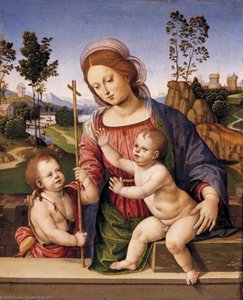
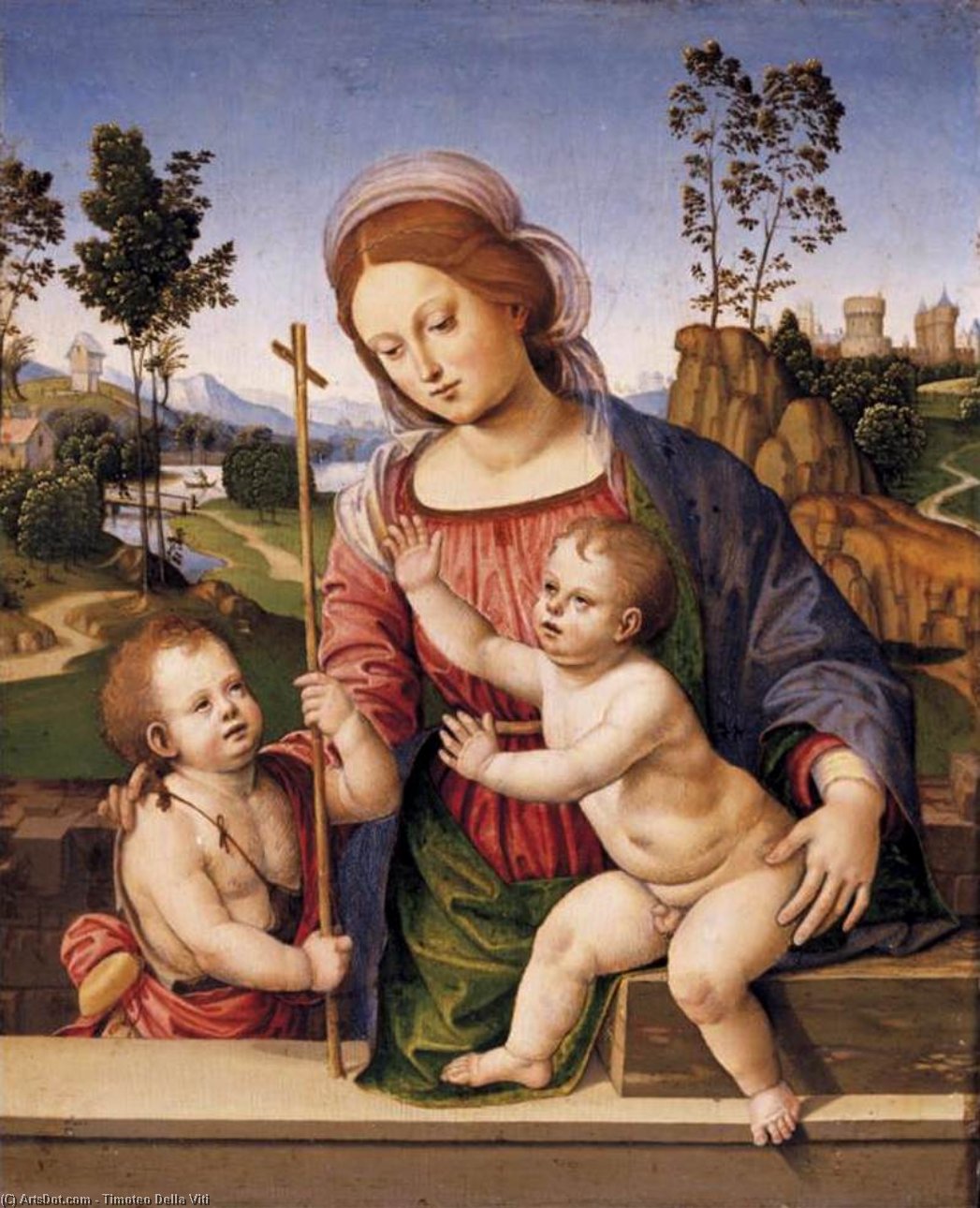
Madonna and Child with the Infant St John the Baptist
 1500
1500 22.0 x 18.0 cm
 Read More
Hand Made Oil Reproduction
Hand-painted oil on canvas in your size and frame, made to order by our artists. ( Buy Print Buy Image)




































Pick from our preset sizes that match the artwork's original proportions.

You may enter your own dimensions to fit a specific frame or space. If your selected size does not match the original image's proportions, we will either crop the artwork or extend the painting with additional hand-painted elements. A digital mockup will be sent for your approval before production begins.
Please note that the on-screen preview does not reflect the actual cropping or extension. Only the mockup will accurately show the final composition.
While custom sizes are available, we recommend selecting a dimension from the predefined list to preserve the original proportions.
After order, ArtsDot.com team will email client for instructions and provide a mockup preview
Worldwide Delivery () in 3/4 weeks instead of standard 5 weeks. (2 September). No compromise on quality.

Free Worldwide Express Shipping

High-Quality Linen Canvas

Full Shipping Insurance

Customs Tax Refund Guarantee

True Color Matching Guarantee

60-Day Return Policy (Defects Only)

100% Money-Back Guarantee

Bulk Discount Offer
 Glass option is only available in size under 110 CM

Madonna and Child with the Infant St John the Baptist
Reproduction Medium
Reproduction Size
-


Total Price
$ 263
Related Artworks
Artist Biography
The Painter of Urbino: The Life and Legacy of Timoteo Viti
Timoteo Viti, a name often whispered in the shadow of giants, remains one of the most compelling figures of the Italian Renaissance. Born in the vibrant intellectual hub of Urbino around 1469, Viti was not merely a witness to the golden age of the Quattrocento but a vital participant in its unfolding drama. As the grandson of the painter Antonio Alberti and the son of a fellow artist, his destiny was woven into the very fabric of the Florentine and Marches traditions from birth. His early years were defined by a profound connection to the local court, eventually leading him to step into the monumental role of successor to Giovanni Santi, the deceased father of the legendary Raphael. In doing so, Viti became more than just a painter; he became a custodian of the artistic soul of Urbino, completing unfinished masterpieces like the Muses in the Ducal Palace and ensuring that the lineage of local excellence remained unbroken.A Journey Through Light and Line: Influences and Evolution
The aesthetic journey of Viti was shaped by a masterful blend of apprenticeship and companionship. His formative years were spent under the tutelage of Francesco Francia in Bologna, an experience that infused his work with a distinctive clarity and a luminous color palette. From Francia, Viti inherited a devotion to disegno—the meticulous observation of natural form—and a delicate touch that allowed him to imbally his subjects with a serene, almost ethereal grace. However, the most transformative chapter of his career was undoubtedly his relationship with Raphael. Though Raphael was fourteen years his junior, the two shared an intellectual and artistic bond that transcended age. Viti did not merely follow the rising star; he engaged in a profound dialogue with the High Renaissance style. While some scholars point to his later works as a conscious departure from Raphael’s increasingly complex aesthetic, it is more accurate to view Viti as an artist who navigated the tension between the graceful simplicity of his youth and the monumental grandeur of the Roman school.Mastery in Motion: Achievements and Historical Significance
Viti's career was marked by a remarkable versatility that saw him moving seamlessly between delicate altarpieces and grand-scale fresco cycles. His ability to navigate the turbulent political waters of the era—working under the banners of Cesare Borgia one moment and decorating the sacred spaces of the Montefeltro court the next—speaks to his standing as a respected master of his craft. One of his most significant contributions lies in his collaborative spirit, notably his work alongside Girolamo Genga in the decoration of the Arrivabene Chapel and his participation in the massive team assembled by Raphael for the Chigi Chapel in Santa Maria della Pace. His works, such as the evocative Madonna and Child with the Infant St John the Baptist, demonstrate a profound ability to marry religious devotion with human emotion. Beyond the canvas, Viti’s historical significance is cemented by his role as a bridge between eras. He carried the meticulous traditions of the late 15th century into the transformative landscape of the 16th century, providing a sense of continuity in an age of rapid artistic upheaval. His legacy is found not only in the surviving pigments on plaster and wood but in the very way he helped define the visual identity of Urbino. Through his hands, the spiritual and the classical were harmonized, leaving behind a body of work that continues to resonate with the quiet dignity and enduring beauty of the Renaissance spirit.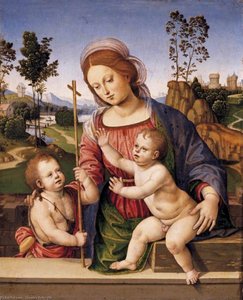
timoteo della viti
1469 - 1523 , Italy
Quick Facts
- Artistic Movement Or Style: Renaissance
- Artists Or Movements Influenced By This Artist: ['Raphael']
- Artists Who Influenced This Artist:
- Francesco Francia
- Raphael
- Date Of Birth: 1469
- Date Of Death: 1523
- Full Name: Timoteo Viti
- Nationality: Italian
- Notable Artworks:
- Noli me Tangere
- The School of Athens
- Place Of Birth: Urbino, Italy