

 Send
Send Share
Share
 Details

 Download
 Similars
 Diaporama
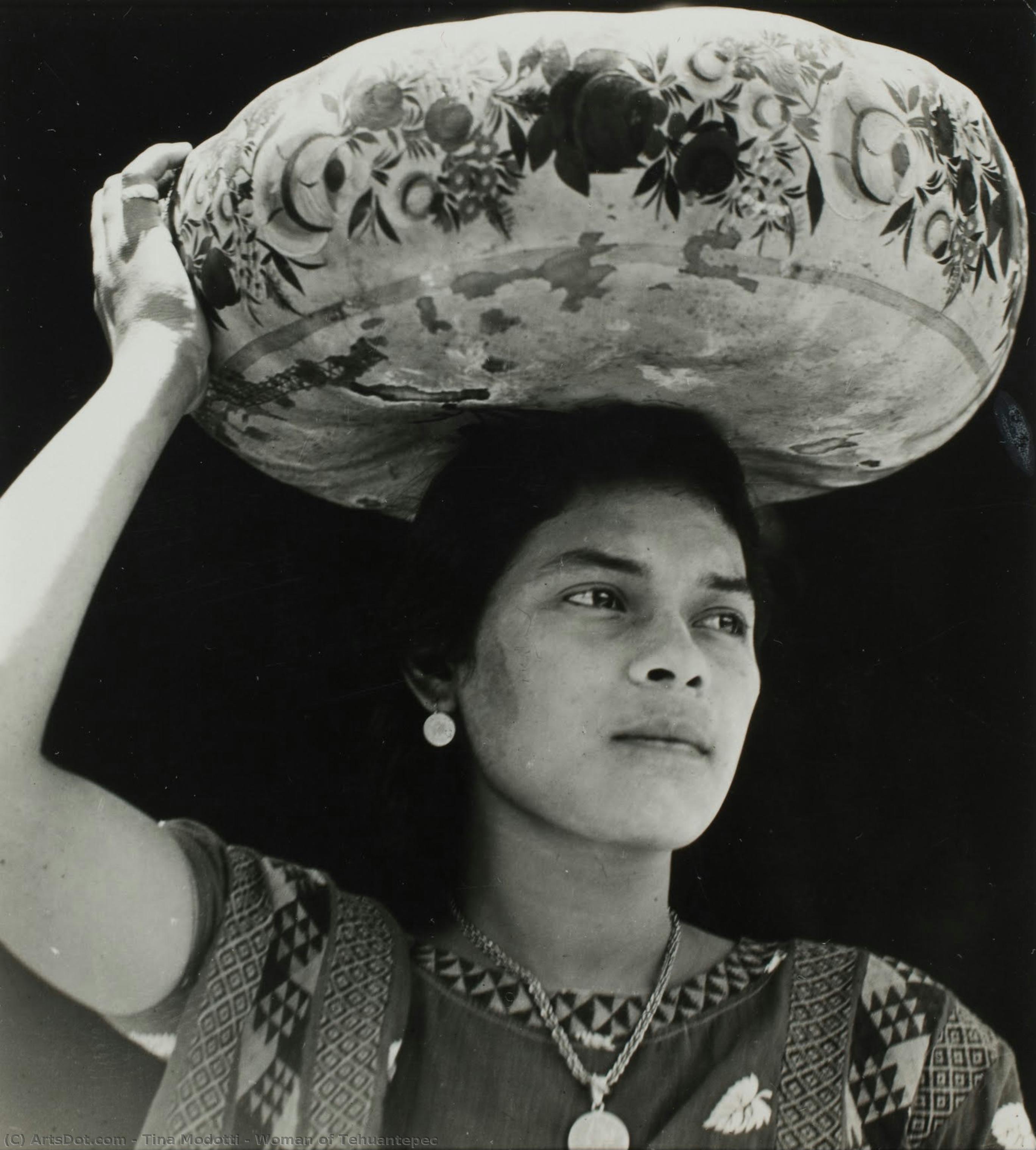
Woman of Tehuantepec
 Gelatin Silver Print
- Photo
- Documentary Photography
 1929
1929- 19th Century
 7.0 x 8.0 cm
 George Eastman Museum
 Read More
Purchase a high-resolution, enhanced digital image, far superior to the online preview.
Each file is meticulously prepared by our in-house specialists using advanced tools and expert manual retouching. We ensure every image has exceptional clarity, precise color accuracy, and fine detail.
The final file is delivered via email within 72 hours, optimized for immediate use in professional, editorial, and print environments. This is the same quality trusted by top-tier design studios, publishers, and galleries.
Digital Image
Download a high-resolution file for personal display, printing, and creative projects. ( Buy Print Buy Hand Made Painting)
Included in Every Digital Image Order
Expert Digital Delivery, Guaranteed
When you choose ArtsDot.com, you're not just getting an image - you're receiving a professionally enhanced digital artwork, crafted with precision and backed by a satisfaction guarantee. Here's everything that comes with your order, automatically:

Fast Email Delivery
Your high-resolution digital image file will be emailed to you within 72 hours of ordering - ready for immediate use.

AI-Enhanced Digital File
Your artwork is professionally optimized using advanced AI tools and manual editing, ensuring maximum detail, clarity, and color accuracy.

Free Lifetime Re-Delivery
Accidentally deleted or lost your file? No worries - we'll resend it to you anytime, free of charge.

No Import Fees - Ever
Enjoy your artwork instantly with zero customs, duties, or delivery fees - digital downloads are always tax-free.

Color Accuracy Guarantee
We ensure your digital image reflects the original colors as closely as possible using professional tools and color management.

60-Day Satisfaction Guarantee
If you're not satisfied with your digital image, we'll revise it or refund 100% within 60 days - no questions asked.

100% Money-Back Guarantee
Not satisfied? Get a full refund within 60 days of receiving your digital file - no questions asked.

Bulk Order Discounts
Buy 3 images, save 10% - Buy 5, save 15% - Buy 10+, save 20%. Great for creative projects, galleries, and agencies.
A Portrait of Resilience: Tina Modotti’s ‘Woman of Tehuantepec’
- This arresting black and white photograph, “Woman of Tehuantepec,” offers a profound glimpse into the heart of early 20th-century Mexico through the lens of pioneering documentary photographer, Tina Modotti. Executed in 1929, the image transcends mere portraiture; it’s a powerful statement about dignity, strength, and the enduring spirit of rural life – a testament to Modotti's commitment to capturing authentic social realities.
- Created using silver gelatin printing on photographic paper, the meticulous technique employed by Modotti is immediately apparent in the image’s rich tonal range. The careful control over light and shadow sculpts the woman’s face, highlighting her resolute gaze and creating a subtle drama within the basket she carries – a focal point that simultaneously represents both burden and provision.
Contextualizing a Revolutionary Eye
Tina Modotti's work emerged during a period of immense social and political upheaval. Born in 1896 in Udine, Italy, her early life was shaped by the itinerant experiences of her family, exposing her to the harsh realities of labor and migration. This formative backdrop fueled her later commitment to socialist ideals and her dedication to documenting the lives of marginalized communities. Her collaboration with Edward Weston further solidified her position as a key figure in the avant-garde photography movement, challenging conventional notions of beauty and embracing a raw, unvarnished approach to representation.
Deconstructing the Image: Composition & Technique
- The photograph’s composition is strikingly direct. Modotti employs a close-up framing, drawing immediate attention to the woman's face and upper body – a deliberate choice that emphasizes her presence and authority. The slightly off-center placement adds a dynamic tension, while the dominant woven basket serves as both an integral element of the scene and a potent symbol of daily life.
- Modotti’s mastery of light is crucial to the image's impact. A subtle directional quality illuminates the woman’s features, creating deep shadows within the basket’s intricate weave. This technique not only adds depth but also subtly suggests a single source of illumination – perhaps the sun filtering through a doorway or the glow of a lamplight.
- The shallow depth of field further enhances the intimacy of the portrait, ensuring that the woman's face remains sharply in focus while the background gently blurs. This masterful use of perspective draws the viewer directly into her world, fostering a profound connection and emotional resonance.
Symbolism & Emotional Resonance
“Woman of Tehuantepec” is more than just a photograph; it’s a carefully constructed narrative. The woman's direct gaze conveys confidence and self-assurance, while the large basket she carries – laden with unseen contents – symbolizes both the burdens she bears and her capacity to provide for herself or her family. The image evokes feelings of resilience, dignity, and perhaps even hardship, reflecting Modotti’s commitment to portraying the complexities of human experience with unflinching honesty. It stands as a timeless reminder of the strength found in everyday lives.
Related Artworks

Artist Biography
A Life Forged in Light and Revolution
Assunta Adelaide Luigia Modotti Mondini, known to the world as Tina Modotti, was a figure whose life mirrored the tumultuous currents of the 20th century. Born in Udine, Italy, in 1896, her early years were steeped in the realities of migrant labor, as her family moved between Italy and Austria seeking work. This itinerant upbringing instilled within her a sensitivity to social disparities—a seed that would blossom into a profound political commitment later in life. Even as a young girl, she was exposed to the art of photography through her uncle Pietro Modotti’s studio, an experience that quietly ignited a passion which would define much of her creative journey. In 1913, at just sixteen years old, Tina bravely embarked on a new chapter, emigrating with her father and sister Mercedes to San Francisco, California, seeking opportunity in a new world. This move marked not only a geographical shift but also the beginning of a restless exploration of identity and purpose.From Stage Lights to Photographic Shadows
San Francisco became Tina’s initial proving ground for artistic expression. She quickly immersed herself in the vibrant performing arts scene, appearing in plays, operas, and even silent films. This foray into acting honed her understanding of visual storytelling and the power of persona—skills that would later prove invaluable in her photographic work. It was during this period she met Roubaix “Robo” de l'Abrie Richey, an artist and poet with whom she formed a passionate relationship. Their shared artistic sensibilities led them to Los Angeles, where Tina continued to pursue acting while simultaneously beginning formal studies in photography under the tutelage of Edward Weston and Margrethe Mather. Weston’s influence was particularly crucial; he instilled in her a dedication to sharp focus, precise composition, and an appreciation for the inherent beauty of form. However, Modotti wasn't merely a student absorbing technique—she possessed an innate artistic vision that began to distinguish her work even at this early stage. The tragic death of Robo and her father in 1922 proved a turning point, prompting a move with Weston and his son Chandler to Mexico City, a decision that would irrevocably alter the course of her life and art.Mexico: A Crucible of Art and Activism
Mexico City became more than just a new home for Tina Modotti; it was a crucible where her artistic talent fused with fervent political conviction. Immersing herself in Mexican culture, she quickly aligned herself with communist ideals and joined International Red Aid, dedicating herself to the cause of social justice. This commitment profoundly shaped her photographic work, shifting its focus from purely aesthetic concerns to a powerful form of documentary realism. She began documenting the lives of workers, peasants, and indigenous communities, portraying their struggles and resilience with dignity and respect. Simultaneously, she turned her lens towards the monumental murals of José Clemente Orozco and Diego Rivera, capturing pivotal moments in Mexican art history and becoming an important chronicler of a nation undergoing profound social and political transformation. Her photographs weren’t simply observations; they were statements—visual manifestos advocating for change and challenging existing power structures. Modotti's style during this period was characterized by its stark clarity, dramatic lighting, and unflinching gaze, creating images that were both visually arresting and deeply empathetic.A Legacy of Vision and Commitment
Tina Modotti’s artistic legacy extends far beyond the striking beauty of her photographs. She masterfully blended modernist aesthetics with documentary photography, forging a unique style that was simultaneously innovative and socially conscious. Her portraits weren't merely likenesses; they were intimate explorations of character, revealing the strength, vulnerability, and humanity of her subjects. While deeply influenced by Edward Weston’s technical precision, she developed a distinct voice—one rooted in social commentary and political activism. Modotti’s work is now recognized as significant for its contribution to documentary photography, social realism, and feminist art. She remains an enduring symbol of artistic commitment to social change, inspiring generations of photographers and activists alike. Her untimely death in Mexico City in 1942, at the age of forty-five, under circumstances that remain shrouded in mystery—widely believed to be poisoning—cut short a promising career but could not diminish the power or enduring relevance of her vision. Her photographs continue to resonate today, reminding us of the importance of bearing witness and using art as a force for justice.Key Works & Influence
- Peasant Rally with Backs (1928): A powerful depiction of collective identity and wartime uniformity, showcasing Modotti’s mastery of composition and grayscale tones.
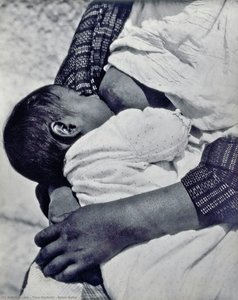
- Mother and Child, Tehuantepec, Oaxaca, Mexico (c. 1929): An intimate portrait capturing the tenderness and strength of motherhood within a specific cultural context.
- Roses, Mexico (c. 1925-1930): A striking close-up study of roses, demonstrating Modotti’s ability to find beauty and symbolism in everyday subjects.
- Woman of Tehuantepec (1929): An iconic image that celebrates the traditional dress and cultural identity of women from Tehuantepec, Oaxaca.
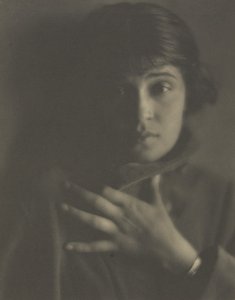
Tina Modotti
1896 - 1942 , Italy
Quick Facts
- Artistic Movement Or Style: Social Realism, Modernist
- Artists Or Movements Influenced By This Artist: ['Manuel Álvarez Bravo']
- Artists Who Influenced This Artist: ['Edward Weston']
- Date Of Birth: Aug 16/17, 1896
- Date Of Death: Jan 5, 1942
- Full Name: Tina Modotti
- Nationality: Italian-American
- Notable Artworks:
- Peasant Rally with Backs
- Mother and Child
- Roses
- Place Of Birth: Udine, Italy

