 Preview
 Send
Send Share
Share
 Details

 Download
 Similars
 X-Ray
X-Ray Diaporama
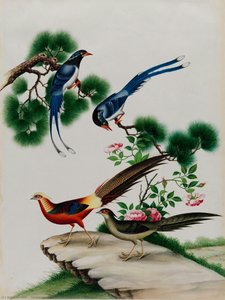
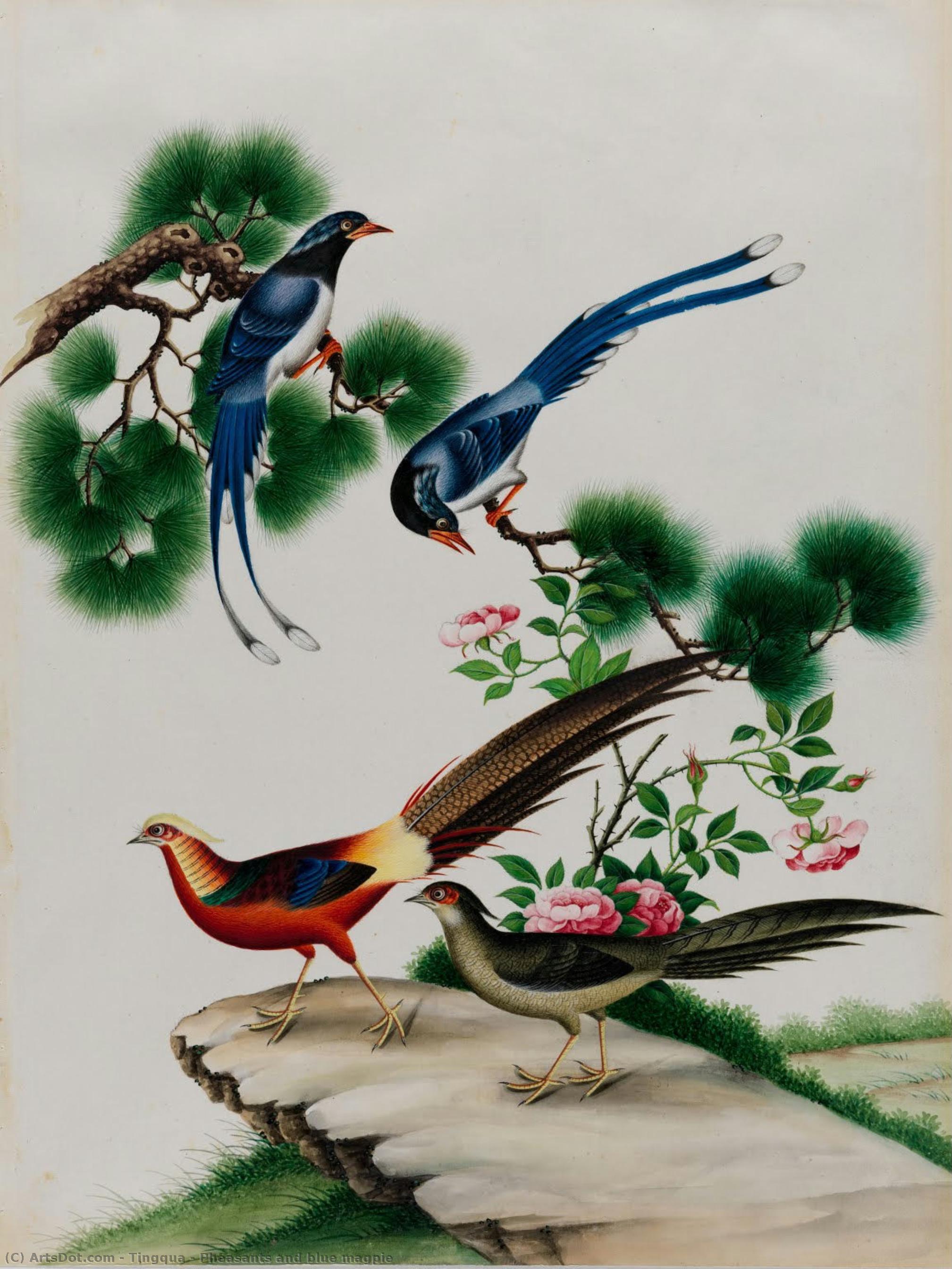
Pheasants and blue magpie
 29.0 x 39.0 cm
 Hong Kong Museum of Art
 Read More
Hand Made Oil Reproduction
Hand-painted oil on canvas in your size and frame, made to order by our artists. ( Buy Print Buy Image)




































Pick from our preset sizes that match the artwork's original proportions.

You may enter your own dimensions to fit a specific frame or space. If your selected size does not match the original image's proportions, we will either crop the artwork or extend the painting with additional hand-painted elements. A digital mockup will be sent for your approval before production begins.
Please note that the on-screen preview does not reflect the actual cropping or extension. Only the mockup will accurately show the final composition.
While custom sizes are available, we recommend selecting a dimension from the predefined list to preserve the original proportions.
After order, ArtsDot.com team will email client for instructions and provide a mockup preview
Worldwide Delivery () in 3/4 weeks instead of standard 5 weeks. (18 August). No compromise on quality.

Free Worldwide Express Shipping

High-Quality Linen Canvas

Full Shipping Insurance

Customs Tax Refund Guarantee

True Color Matching Guarantee

60-Day Return Policy (Defects Only)

100% Money-Back Guarantee

Bulk Discount Offer
 Glass option is only available in size under 110 CM

Pheasants and blue magpie
Reproduction Medium
Reproduction Size
-


Total Price
$ 263
Artwork Description
Related Artworks
Artist Biography
Tingqua (Ruolun): A Bridge Between East and West in Qing Dynasty Painting
Born in Guangzhou, China, in 1800 – though the exact year remains somewhat debated – Tingqua, also known as Ruolun, stands as a pivotal figure in 19th-century Chinese art. His life coincided with a period of immense transformation for China, marked by increasing engagement with the West and a burgeoning export trade. More than just a painter, Tingqua was an innovator, skillfully blending traditional Chinese techniques with emerging Western influences to create a unique artistic voice that captivated both domestic and international audiences. He represents a fascinating intersection of cultures and styles, offering a glimpse into a dynamic era of artistic exchange.
Early Life and Artistic Training
Tingqua’s family history is deeply intertwined with the development of Chinese export art. His father, Guan Zuolin – often referred to as Spoilum in Western circles – was considered a foundational figure in this genre, establishing a workshop that became renowned for its production of paintings specifically tailored for foreign markets. This lineage instilled within Tingqua a strong understanding of the demands and conventions required to satisfy the tastes of Western collectors. While details about his formal training are scarce, it’s believed he honed his skills within the established framework of Guangzhou's export art scene, learning from his father and other master artisans.
Style and Technique: The Fusion of Tradition and Innovation
Tingqua’s artistic style is immediately recognizable for its remarkable detail and meticulous execution. He was a master of ink wash painting (水墨画, *shuǐmòhuà*), a cornerstone of Chinese art, utilizing ink and water to create subtle gradations of tone and texture. However, unlike many traditional practitioners, Tingqua deliberately incorporated elements borrowed from Western artistic conventions. This wasn’t simply mimicry; rather, he skillfully adapted Western compositional techniques, perspective, and color palettes – particularly the brighter hues favored by European artists – into his Chinese framework. His works frequently depict scenes of daily life: bustling marketplaces, elegant interiors, hunting expeditions with exotic birds like pheasants and blue magpies (as evidenced in his celebrated “Pheasants and Blue Magpie”), and portraits of figures engaged in various activities. The sea is often rendered with a distinctive pattern of parallel lines, sometimes punctuated by ripples, reflecting the influence of Western maritime art.
- Highly Detailed Designs: Tingqua’s paintings are renowned for their intricate details, capturing even the smallest nuances of texture and form.
- Ink Wash Mastery: He expertly employed ink wash techniques to create a rich tapestry of tones and textures, demonstrating a profound understanding of this traditional medium.
- Western Influence: Tingqua skillfully integrated Western compositional elements, perspective, and color palettes into his Chinese paintings.
Notable Works and Collections
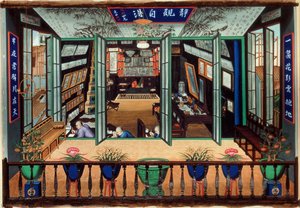
Tingqua’s legacy is preserved in the collections of several prestigious institutions. The Hong Kong Museum of Art houses a significant portion of his oeuvre, including “The Studio of Tingqua,” which offers a rare glimpse into the artist's working environment, and "Pheasants and Blue Magpie," a stunning example of his ability to capture both natural beauty and narrative detail. His works are also found in the Guangzhou Museum and the Canton Museum, showcasing the breadth of his subject matter and stylistic range. Notably, a collection of Tingqua’s watercolors was brought to America by Augustine Heard in 1855, becoming one of the earliest introductions of this style to the United States and now resides at the Peabody Essex Museum in Salem, Massachusetts.
Legacy and Historical Significance
Tingqua’s impact on Chinese art extends far beyond his individual achievements. He represents a crucial bridge between traditional Chinese painting and Western artistic influences, demonstrating how cultural exchange could lead to innovative and compelling new forms of expression. His work helped establish the Guangzhou style as a dominant force in the export market, shaping the aesthetic preferences of foreign collectors for decades to come. Furthermore, Tingqua’s meticulous attention to detail and his masterful use of ink wash painting set a high standard for subsequent generations of Chinese artists, solidifying his place as a significant figure in the history of Chinese art. His story is a testament to the dynamism and complexity of China's engagement with the West during the 19th century.
tingqua
1800 - 1864 , China
Quick Facts
- Artistic Movement Or Style: Guangzhou style
- Artists Or Movements Influenced By This Artist: [None]
- Artists Who Influenced This Artist: [None]
- Date Of Birth: 1800
- Date Of Death: 1864
- Full Name: Tingqua (Ruolun)
- Nationality: Chinese
- Notable Artworks:
- The studio of Tingqua
- Pheasants and blue magpie
- Place Of Birth: Guangzhou, China